

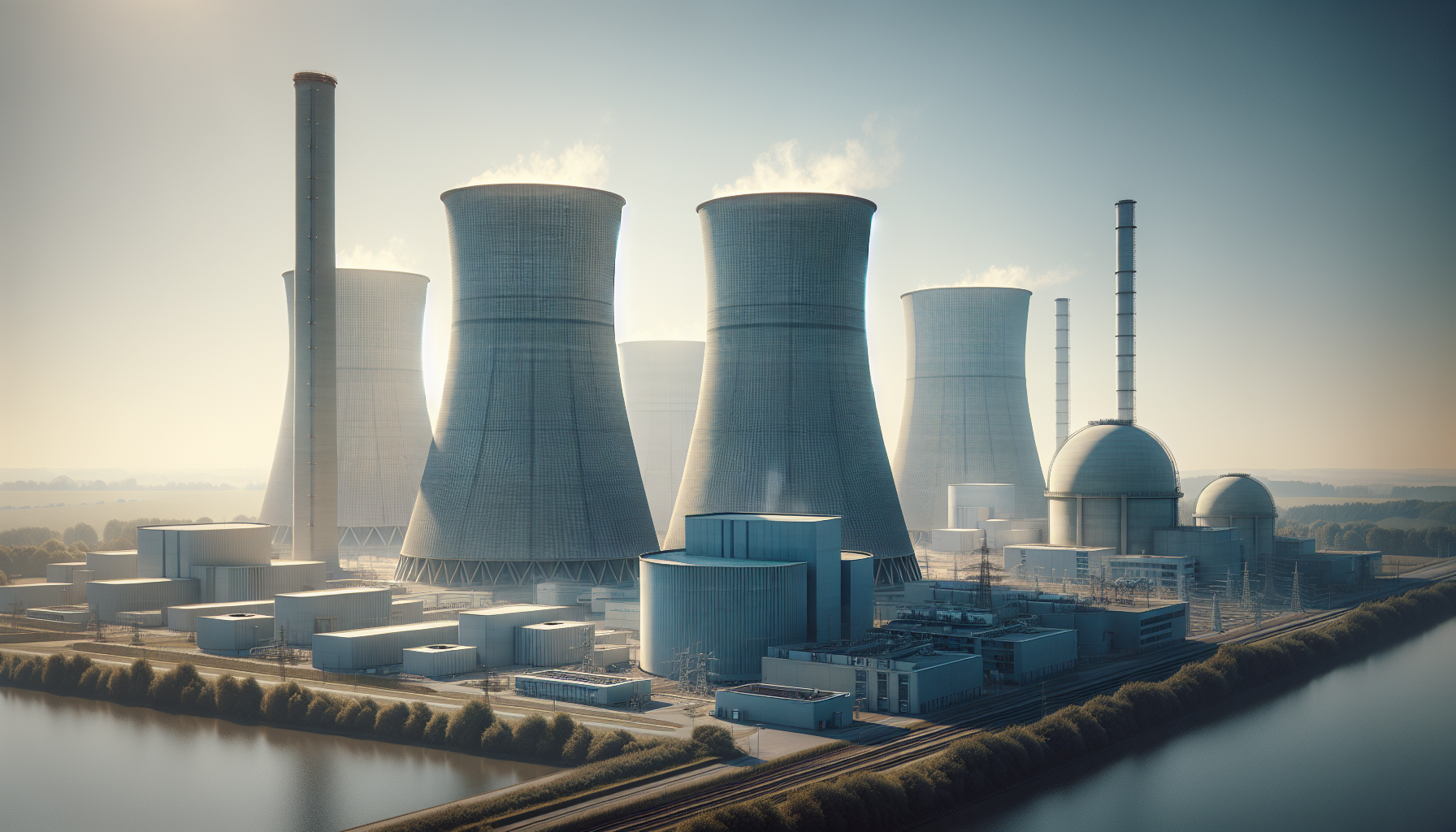
Belgium is set to take a significant step towards energy sovereignty by nationalising its nuclear power plants, a move announced by Prime Minister Bart De Wever. This initiative aims to reduce the country’s dependence on imported fossil fuels, which have been subject to volatile prices and geopolitical risks. By bringing nuclear energy under state control, Belgium seeks to enhance its ability to manage and stabilize its energy supply amid global uncertainties.
In recent years, the European energy landscape has been challenged by fluctuating fuel costs and supply disruptions, prompting many nations to reconsider their energy strategies. Belgium’s decision reflects a broader trend of governments prioritizing energy security and sustainability. Nuclear power, despite its controversies, remains a critical component of Belgium’s energy mix, providing a substantial share of its electricity with low carbon emissions.
Notably, this nationalisation could have far-reaching implications for Belgium’s energy policy and economic stability. Greater control over nuclear assets may facilitate investments in infrastructure and innovation, potentially accelerating the transition to cleaner energy sources. Meanwhile, the move signals Belgium’s commitment to balancing energy independence with environmental responsibilities in a rapidly evolving global context.
