



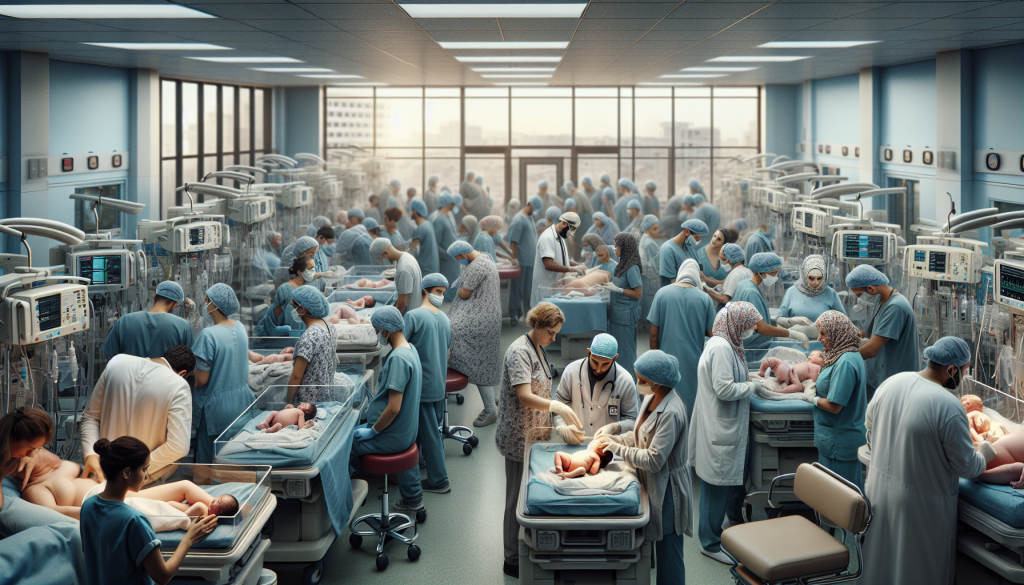
April marks Caesarean Awareness Month, a period dedicated to educating about the risks and benefits of caesarean deliveries. In Gaza, the frequency of C-section births has been on the rise, a trend that poses significant health challenges for mothers. The region’s strained healthcare infrastructure and limited resources exacerbate the dangers associated with surgical births. Medical professionals warn that these conditions increase the likelihood of infections and complications during and after the procedure.
Gaza’s healthcare system faces ongoing difficulties due to political instability, economic blockades, and shortages of medical supplies. These factors contribute to suboptimal prenatal and postnatal care, making surgical births more precarious. Caesarean sections, while sometimes necessary, carry inherent risks such as wound infections, delayed healing, and longer hospital stays, which are intensified in Gaza’s current environment. Awareness campaigns during this month aim to promote safer childbirth practices and encourage informed decision-making among expectant mothers and healthcare providers.
In a significant development, international health organizations have called for increased support and resources to improve maternal health services in Gaza. Addressing the rise in caesarean deliveries is crucial to reducing maternal morbidity and mortality rates in the region. Enhanced training for medical staff, better access to sterile equipment, and improved post-operative care are essential steps. The ongoing focus on Caesarean Awareness Month underscores the urgent need to balance medical necessity with safety to protect mothers’ lives in Gaza.

Leave an opinion