

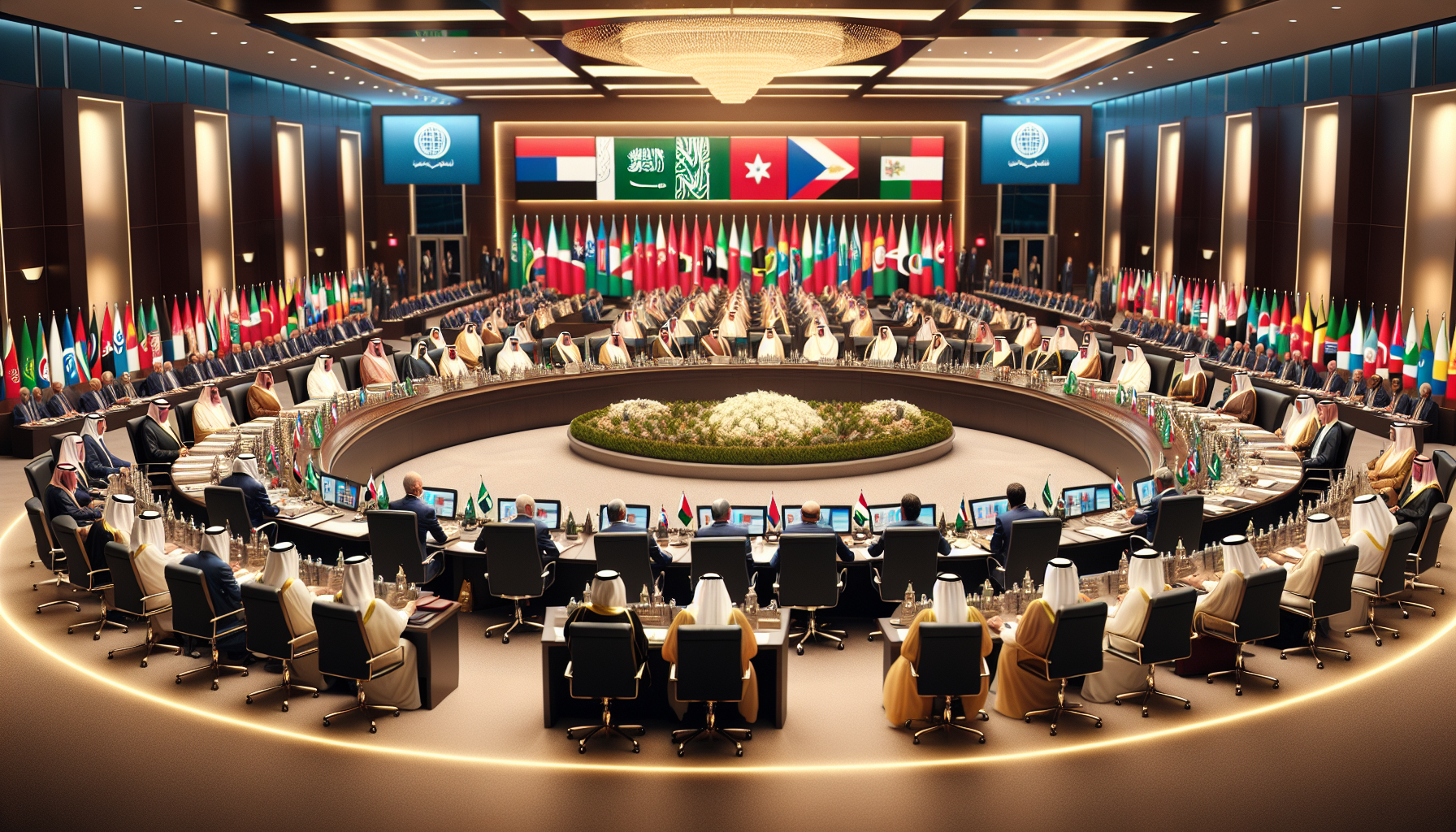
Gulf Cooperation Council (GCC) leaders gathered in Jeddah on Tuesday for a crucial consultative summit, chaired by Saudi Crown Prince Mohammed bin Salman. This meeting marked the first in-person assembly of the bloc since the region became entangled in the escalating conflict involving Iran two months ago.
The summit concentrated on assessing “regional and international developments” and enhancing “coordination of efforts” to manage the consequences of the ongoing war. Despite the official communiqué’s diplomatic tone, the situation on the ground remains highly volatile.
A Gulf official, speaking anonymously, revealed that the primary aim was to develop a unified strategy in response to the relentless Iranian missile and drone attacks targeting the peninsula since hostilities began on 28 February.
The conflict, triggered by joint U.S. and Israeli strikes on Iran, has positioned the GCC states as a frontline despite their non-combatant status. All six member countries have suffered considerable damage to critical energy infrastructure. The attacks, which intensified in March, focused on military sites and civilian projects, particularly those linked to the United States.
Although a ceasefire brokered between Washington and Tehran on 8 April has temporarily eased hostilities, Gulf capitals remain on high alert. Negotiations for a lasting peace agreement have stalled, leaving the region in a fragile state of uncertainty.
The Jeddah summit also exposed increasing internal tensions within the council. While prominent leaders such as Qatar’s Emir and Bahrain’s King attended, the United Arab Emirates has openly expressed dissatisfaction with the bloc’s collective handling of the crisis.
Senior Emirati official Anwar Gargash delivered a candid critique during a conference on Monday, acknowledging logistical cooperation but condemning the GCC’s political and military response as the “weakest in history.” His remarks highlighted a stark contrast between the council’s traditional unity and its current indecisiveness, signaling a growing rift that the Jeddah talks face significant pressure to resolve.
