

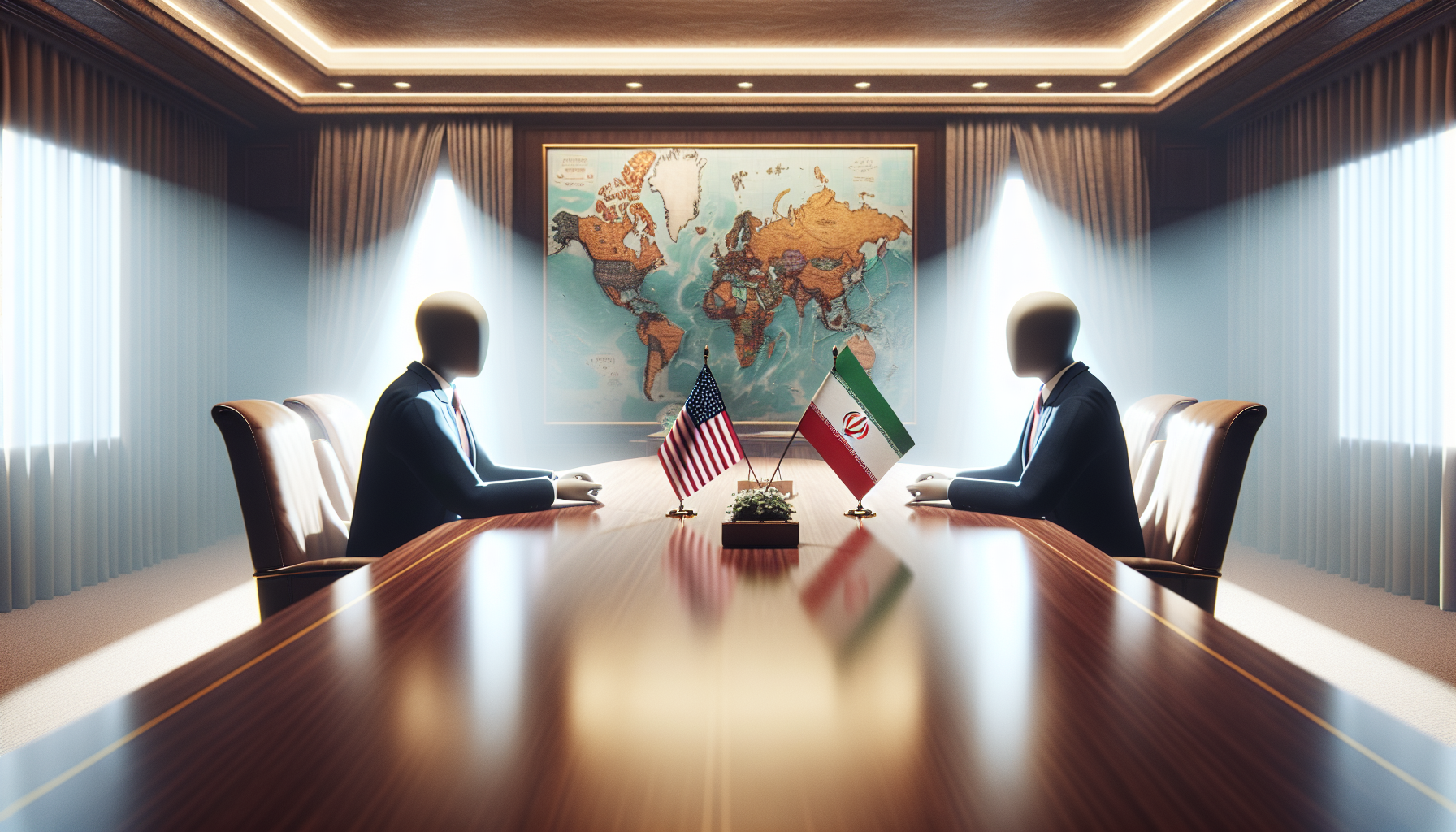
In the ongoing diplomatic discussions between the United States and Iran, both parties assert that they maintain the upper hand in negotiations concerning the war. These talks are critical as they could influence regional stability and international relations significantly. The complexity of the conflict and the strategic interests involved make it difficult to determine which side holds the decisive advantage. Each side’s claims reflect broader geopolitical strategies aimed at strengthening their negotiating positions.
Historically, negotiations between Iran and the US have been fraught with mistrust and competing agendas, often influenced by external powers and internal political pressures. The current talks are no exception, as both nations leverage military, economic, and diplomatic tools to sway outcomes in their favor. The stakes are high, with potential impacts on global energy markets, security alliances, and the balance of power in the Middle East. Observers are closely monitoring these developments to gauge the future trajectory of the conflict and peace prospects.
Meanwhile, the international community watches with keen interest, recognizing that the resolution or escalation of this conflict could have far-reaching consequences. The negotiation dynamics underscore the importance of strategic patience and diplomatic skill in conflict resolution. Ultimately, the question of who holds the cards remains open, hinging on evolving circumstances and the willingness of both sides to compromise or escalate tensions further.
