



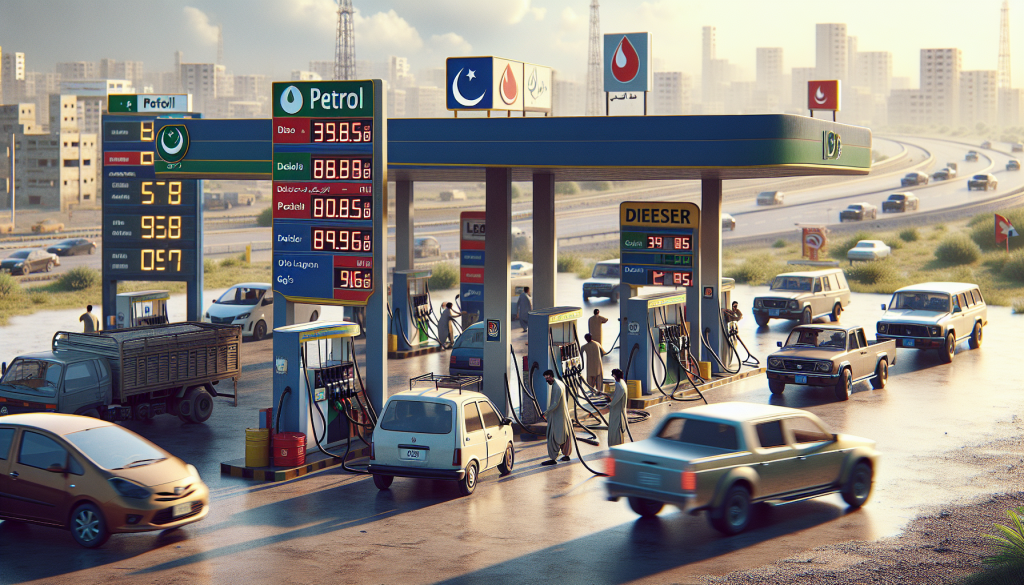
The government of Pakistan has implemented a significant increase in fuel prices, with petrol and diesel rates rising by as much as Rs26 per litre. This adjustment reflects ongoing economic pressures and the need to manage fiscal deficits amid fluctuating global oil markets. The hike is expected to affect transportation costs and consumer prices across the country, potentially contributing to inflationary trends.
Fuel price adjustments in Pakistan are closely monitored due to their direct impact on the cost of goods and services, as well as on the overall economic environment. This latest increase comes at a time when the government is balancing the demands of subsidy reductions and the need to stabilize the national economy. The rise in prices may also influence public sentiment and could lead to calls for policy reassessment.
In a significant development for Pakistan’s energy sector, the price revision underscores the challenges faced by the country in managing energy resources and economic stability. The government’s decision is likely to have ripple effects on transportation, industry, and daily living expenses, making it a critical issue for policymakers and citizens alike. Meanwhile, stakeholders will be watching closely to see how this change affects inflation and economic growth in the coming months.

Leave an opinion