

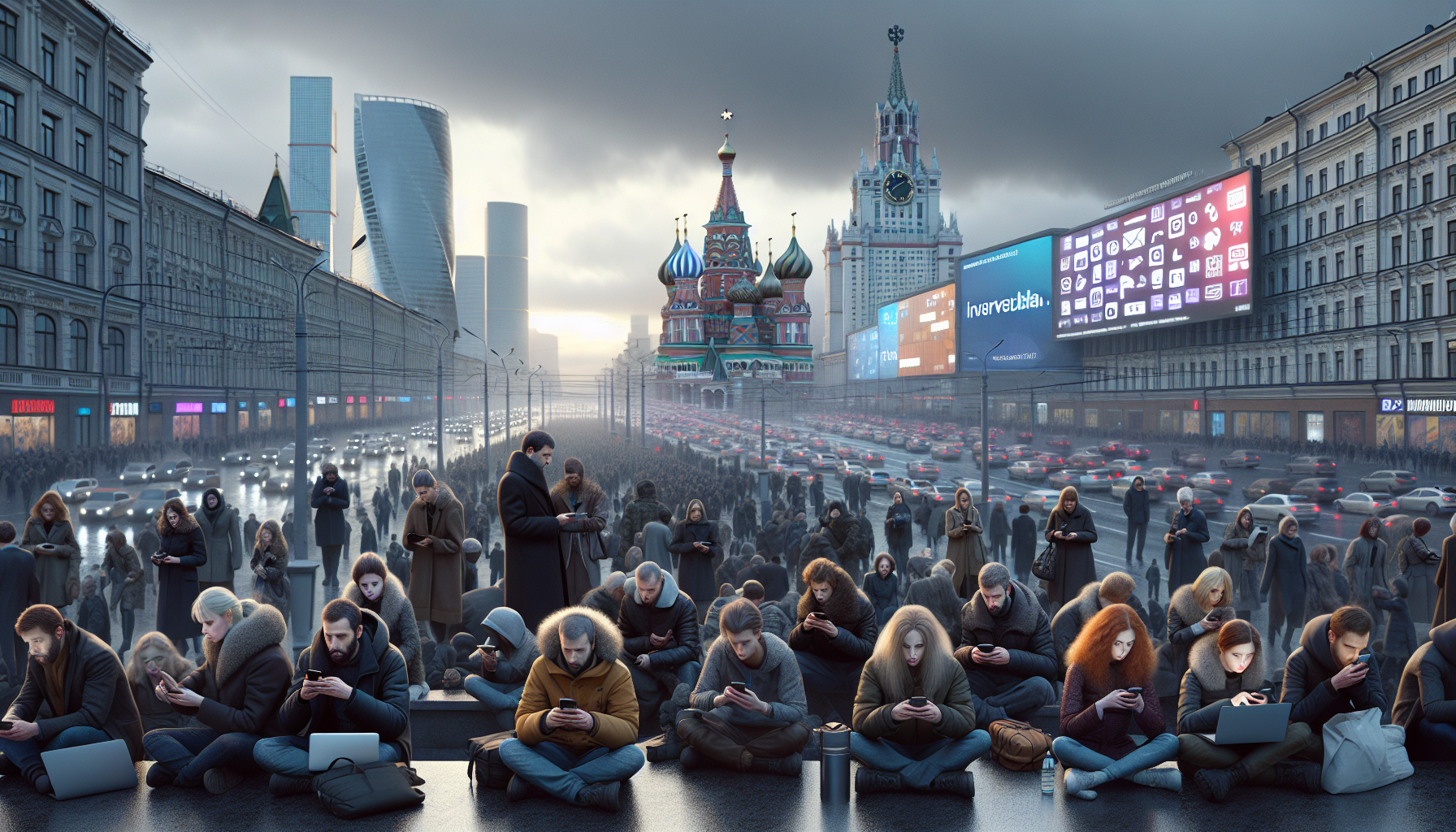
The Russian government has intensified internet restrictions, asserting that these measures are necessary to maintain public safety amid growing concerns over information security. These controls include limiting access to certain websites and monitoring online communications, which officials argue help prevent misinformation and protect national interests. However, the crackdown has triggered significant challenges for both businesses and ordinary citizens who rely heavily on digital connectivity for commerce and communication.
Notably, many companies operating in Russia have reported disruptions in their operations due to the tightened internet regulations. E-commerce platforms, tech startups, and service providers face difficulties in maintaining seamless online services, which in turn affects economic activity and consumer confidence. Meanwhile, the general public experiences slower internet speeds and restricted access to global information sources, fueling frustration and skepticism about the government’s motives.
In a significant development, civil society groups and digital rights advocates have voiced concerns over the long-term implications of these internet controls on freedom of expression and innovation. The restrictions may hinder Russia’s integration into the global digital economy and limit the flow of information critical for social and political discourse. As the Kremlin continues to justify these measures under the guise of security, the tension between control and openness remains a contentious issue shaping Russia’s digital future.
