

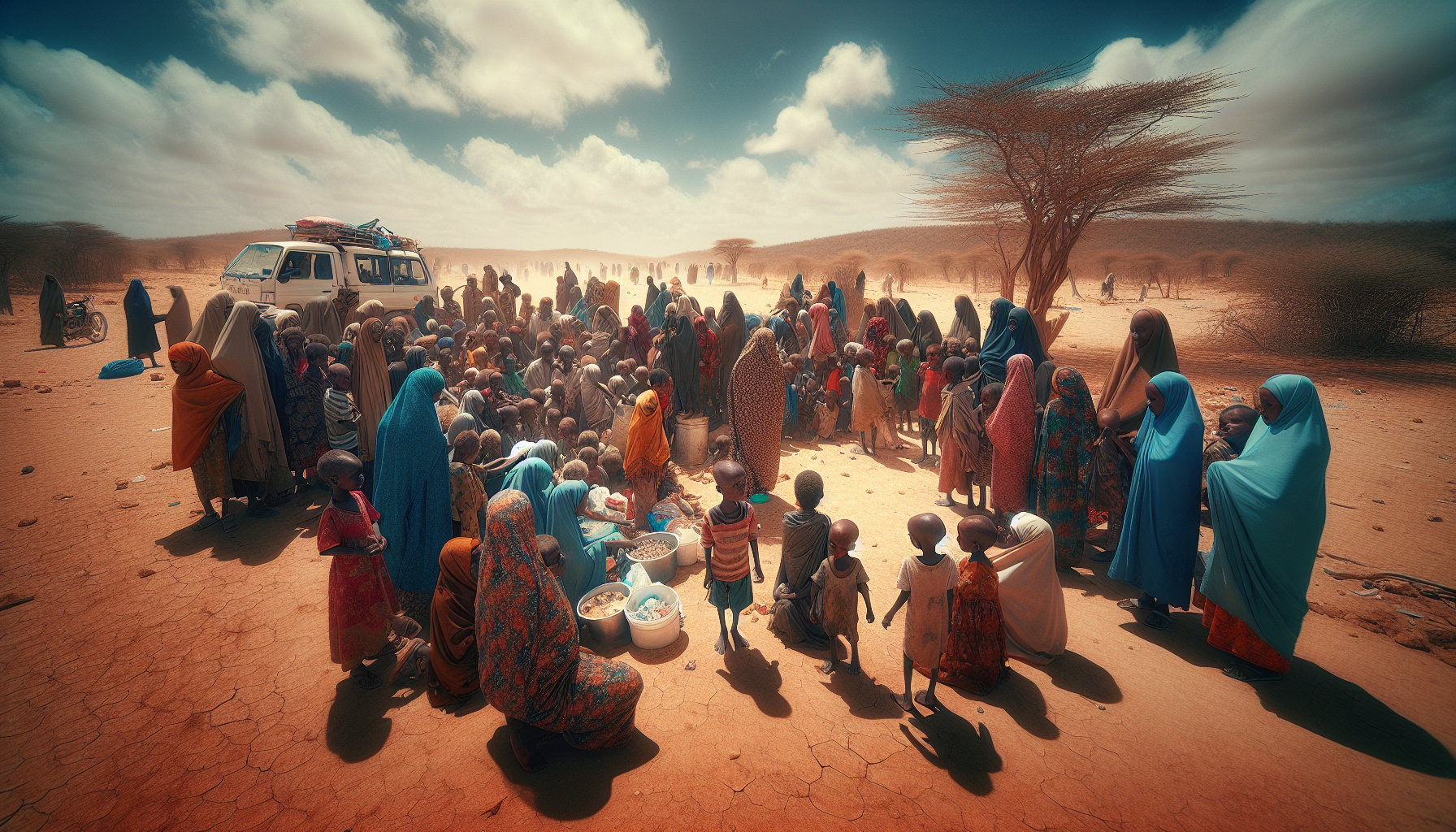
Somalia is currently grappling with a severe humanitarian crisis as more than 6.5 million people face acute food shortages. This alarming situation is primarily driven by prolonged drought conditions and failed rainy seasons, which have devastated agricultural productivity and livestock. The scarcity of food supplies is compounded by persistent conflict, disrupting access to aid and essential services across many regions. The convergence of these factors has created an environment where millions are struggling to meet basic nutritional needs.
Children in particular are bearing the brunt of this crisis, with many at heightened risk of acute malnutrition. Malnutrition in early childhood can lead to long-term health complications and increased mortality rates, making the situation especially dire. Humanitarian organizations have been mobilizing to provide emergency food assistance and medical care, but insecurity and logistical challenges hinder the delivery of aid. The crisis underscores the vulnerability of Somalia’s population to climate variability and ongoing instability.
In a significant development, the international community has been urged to increase support to mitigate the worsening food insecurity in Somalia. Addressing the root causes, including climate resilience and conflict resolution, is critical to preventing further deterioration. Meanwhile, the situation highlights the urgent need for coordinated efforts to protect vulnerable populations and restore stability. Without immediate and sustained intervention, the humanitarian impact is expected to deepen, threatening the lives of millions across the country.
