

Tensions in the Strait of Hormuz sharply escalated on Thursday after the breakdown of US-supported peace negotiations, with Iran detaining commercial ships and increasing maritime enforcement in this vital global shipping corridor.
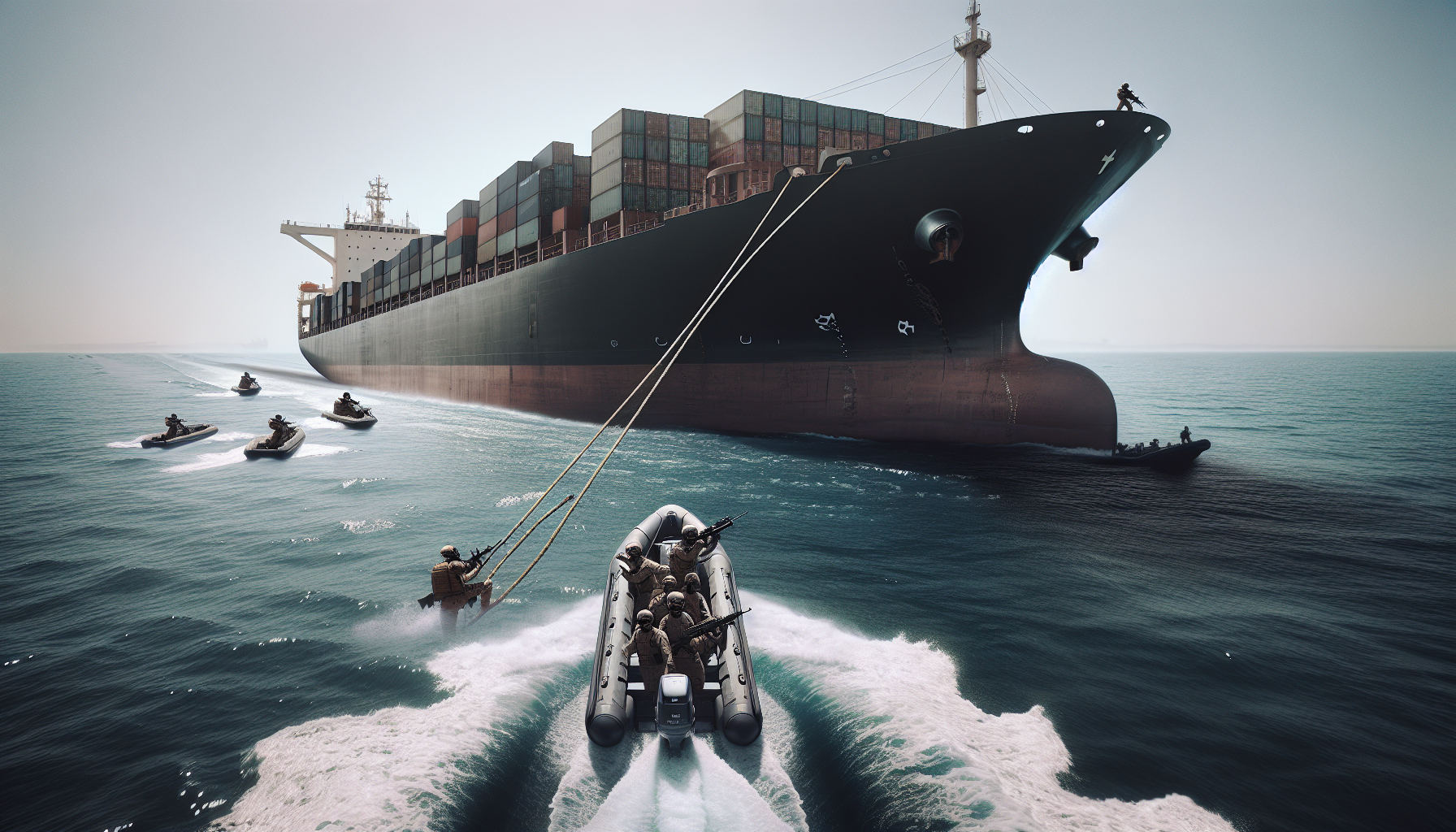
Iranian state media released footage depicting armed commandos boarding the large cargo vessel MSC Francesca using speedboats and rope ladders, subsequently taking control of the ship. Tehran stated that the MSC Francesca, along with another vessel, was seized for allegedly attempting to transit the strait without proper authorization.
This development followed the collapse of diplomatic efforts aimed at reducing tensions, leaving no agreement to stabilize one of the world’s most critical energy routes.
The Strait of Hormuz, a passage through which nearly 20% of the world’s oil and liquefied natural gas is transported, has grown increasingly volatile as Iran asserts stricter control over maritime traffic. Iranian officials claimed the detained ships violated national regulations, while state media portrayed the seizures as legitimate enforcement actions.
Meanwhile, the United States announced it had taken action against a tanker in the Indian Ocean, indicating an expansion of naval operations beyond the Gulf region.
Efforts to revive negotiations remain uncertain. A Pakistani government source indicated that backchannel communications continue, but Iran reportedly demands the lifting of US maritime restrictions and the release of seized vessels before resuming talks. No new ceasefire extension or formal diplomatic timetable has been declared.
The renewed tensions have unsettled global energy markets, with oil prices holding above $100 per barrel amid fears of supply disruptions through the strait. Analysts warn that ongoing instability in this strategic waterway could have significant repercussions for global trade and energy supplies if diplomatic stalemates persist.
