

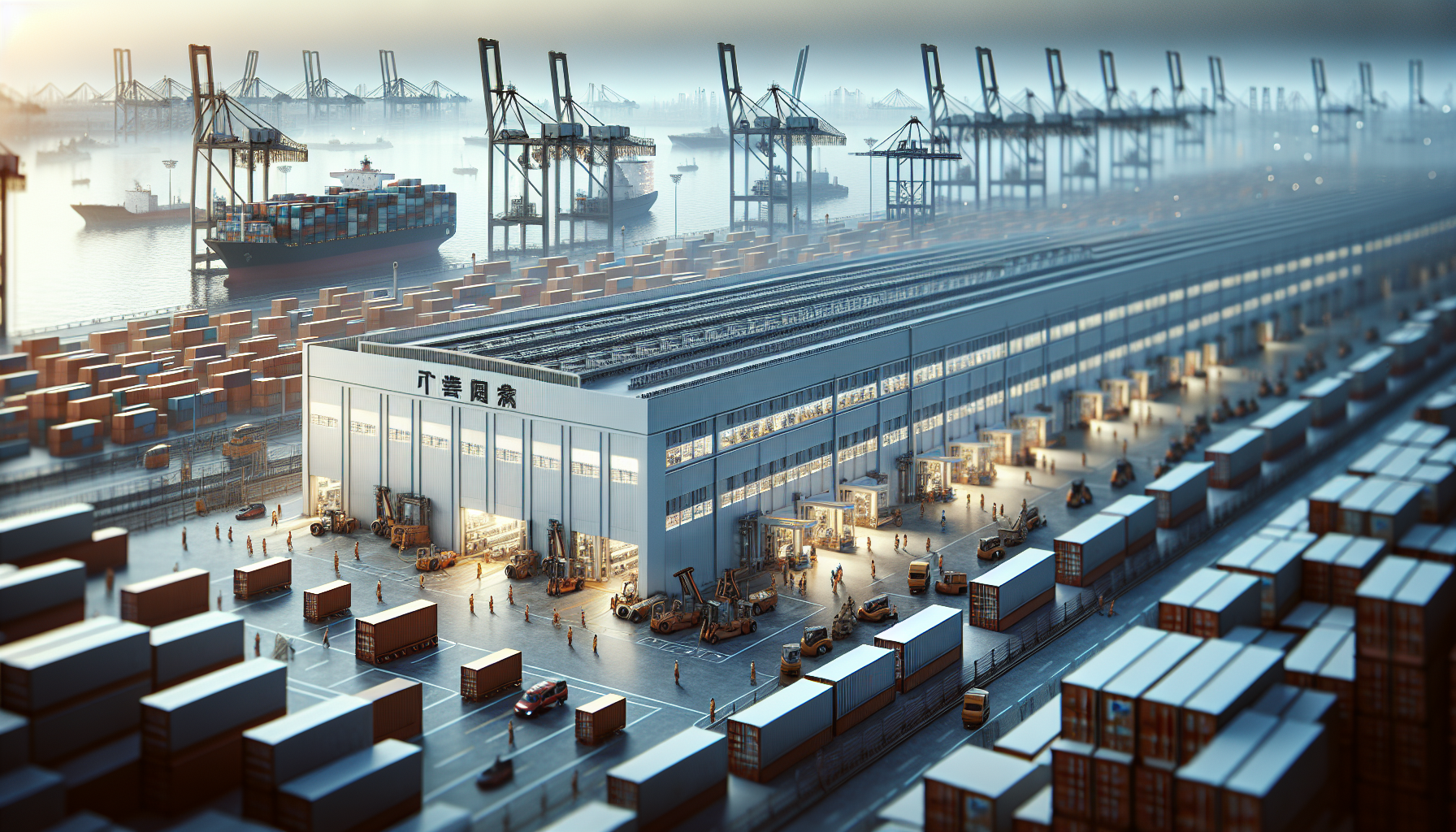
China’s export-driven economy, which previously showed resilience against tariffs imposed by former US President Donald Trump, is now encountering significant headwinds due to the ongoing conflict in the Middle East. The war has disrupted global supply chains and increased uncertainty, leading to a slowdown in factory orders. This marks a shift from the trade tensions era, highlighting new geopolitical risks affecting China’s manufacturing sector.
Meanwhile, rising production costs are squeezing profit margins for Chinese exporters, as energy prices and raw material expenses climb amid the regional instability. The conflict has also contributed to volatility in global markets, which in turn affects demand for Chinese goods. Factories are facing pressure to adjust operations, with some reporting reduced output and cautious hiring practices to manage the uncertain environment.
In a significant development, the impact on jobs within China’s manufacturing hubs underscores the broader economic implications of the Middle East war. Export-dependent regions are particularly vulnerable, as diminished orders translate into slower growth and potential layoffs. This situation emphasizes the interconnectedness of global conflicts and economic health, signaling challenges ahead for China’s role in international trade.
