

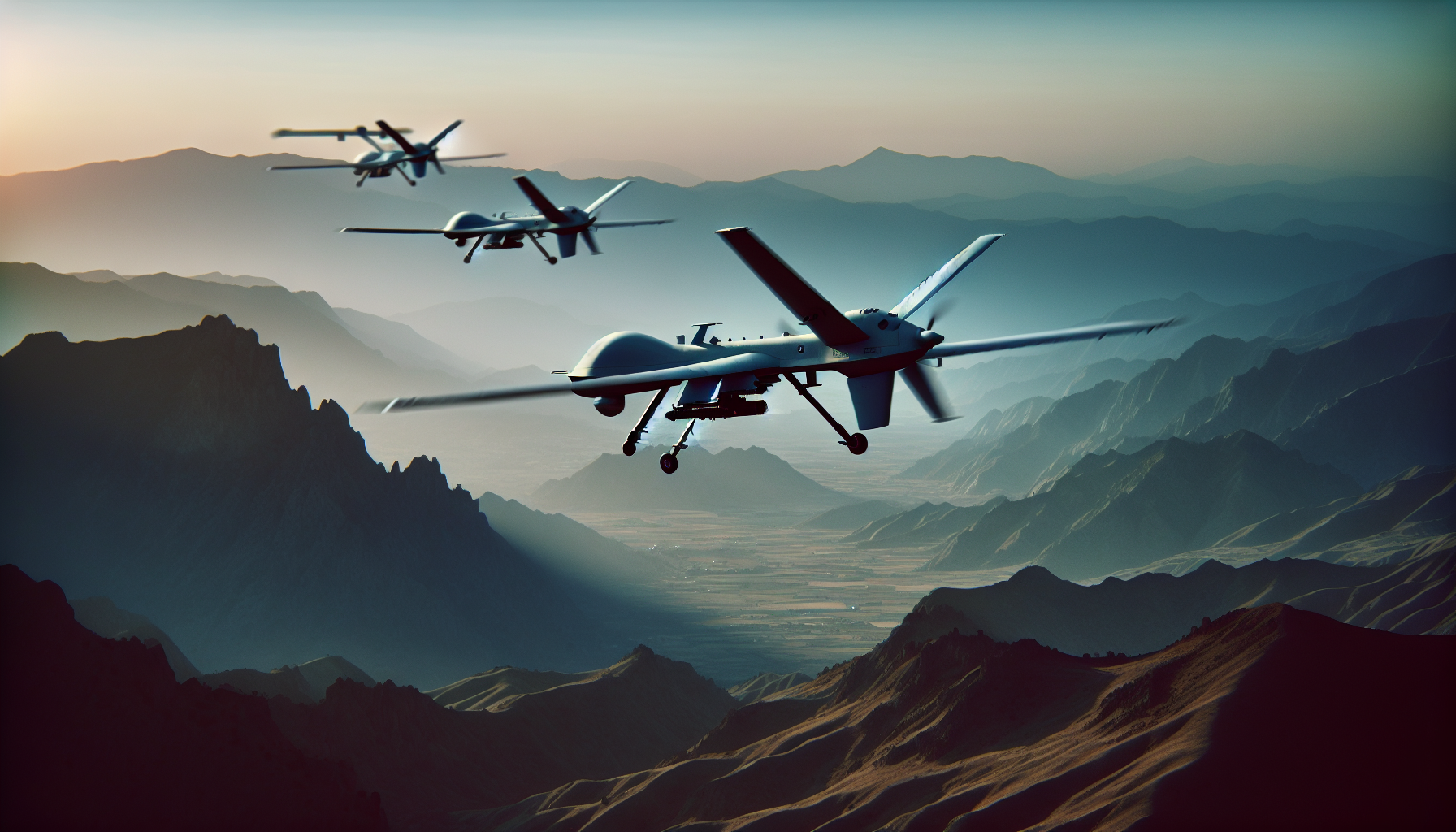
Israeli drones have been conducting persistent surveillance flights over southern Lebanon, a move that has sparked significant controversy. This aerial monitoring is viewed by many critics as a form of ‘digital occupation,’ highlighting the use of advanced technology to exert control without physical presence. The drones operate in a region already fraught with political and military tensions, adding a new dimension to the longstanding conflict between Israel and Lebanon.
In a significant development, these unmanned aerial vehicles provide Israel with real-time intelligence, enhancing its ability to track movements and activities in southern Lebanon. This technological approach reflects a broader trend in modern warfare where digital tools supplement or replace traditional military operations. Meanwhile, the local population and Lebanese authorities perceive this as an infringement on sovereignty, intensifying grievances and mistrust.
The impact of this digital surveillance extends beyond immediate security concerns, influencing diplomatic relations and regional stability. It underscores the evolving nature of conflict in the Middle East, where technology plays a critical role in power dynamics. Notably, the situation raises important questions about privacy, international law, and the future of warfare in contested territories.
