

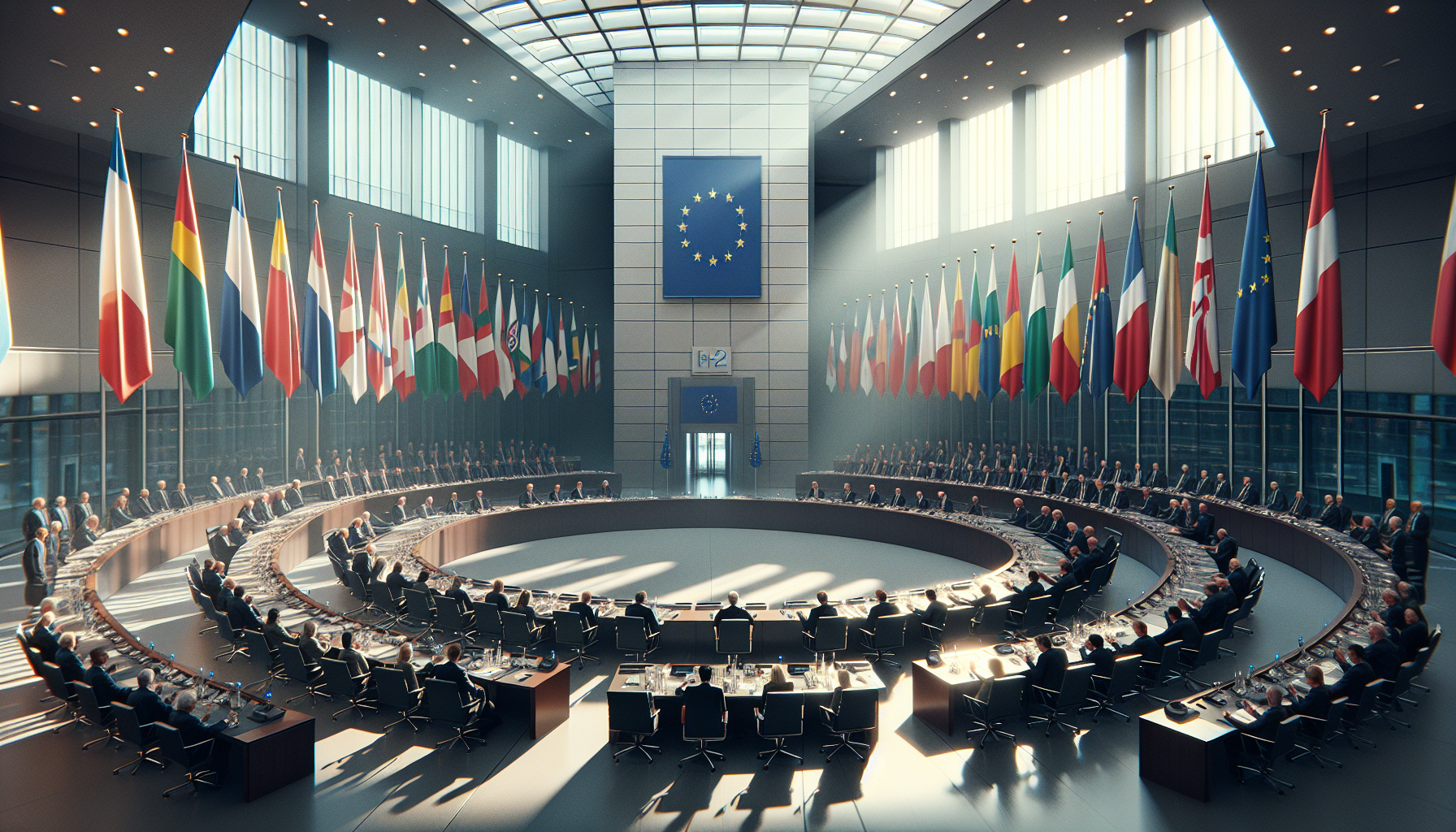
The European Union is currently experiencing significant internal debate regarding the future of its trade agreement with Israel. This controversy arises amid increasing international scrutiny over alleged human rights abuses in Gaza and the West Bank. Several EU member states are urging a suspension of the deal as a form of political pressure to address these concerns. Meanwhile, other nations within the bloc remain cautious, fearing economic and diplomatic repercussions.
In a significant development, the discussion highlights the EU’s struggle to balance its economic interests with its commitment to human rights and international law. The trade agreement, which facilitates economic cooperation and preferential tariffs, has been a cornerstone of EU-Israel relations for years. However, the ongoing conflict and reports of violations have intensified calls for the EU to reconsider its stance and leverage its economic influence to promote peace and justice in the region.
The outcome of this debate could have far-reaching implications for EU foreign policy and its role as a global advocate for human rights. Suspending the trade agreement would mark a rare and bold move, signaling the EU’s willingness to prioritize ethical considerations over economic benefits. It also reflects broader tensions within the EU about how to respond effectively to complex geopolitical conflicts while maintaining unity among its diverse member states.
