

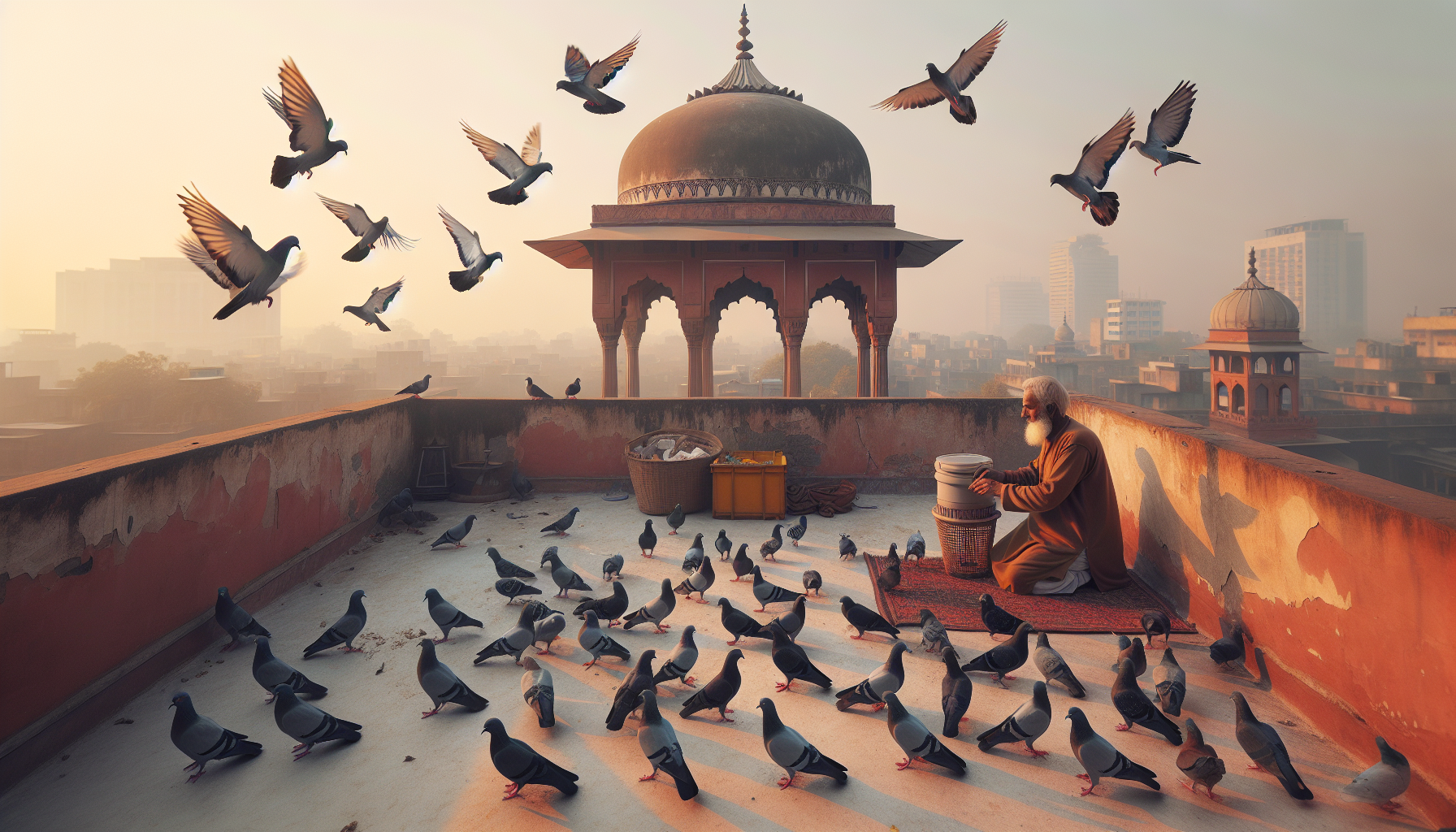
In the bustling metropolis of Delhi, the ancient tradition of pigeon-keeping, dating back to the Mughal period, remains a cherished pastime. Despite the city’s rapid modernization and relentless pace, many residents find solace in caring for and training pigeons, preserving a unique cultural heritage. This practice not only connects people to their history but also provides a peaceful escape from the daily pressures of urban life. The birds are often trained for racing or simply kept for companionship, fostering a sense of community among enthusiasts.
Historically, pigeon-keeping was a popular activity among Mughal nobility, symbolizing status and leisure. Over time, it evolved into a widespread hobby embraced by various social groups in Delhi. The pigeons themselves are meticulously bred and trained, reflecting a deep knowledge passed down through generations. This enduring tradition highlights the resilience of cultural practices amid the challenges posed by modern city living.
In a significant development, pigeon-keeping serves not only as a recreational activity but also as a therapeutic outlet for many Delhi residents. Engaging with the birds helps reduce stress and promotes mental well-being, offering a rare connection to nature within the urban environment. Meanwhile, the communal aspect of this hobby strengthens social bonds, creating networks of support and shared passion. As Delhi continues to grow, the survival of this Mughal-era custom underscores the importance of preserving cultural identities in contemporary society.
