

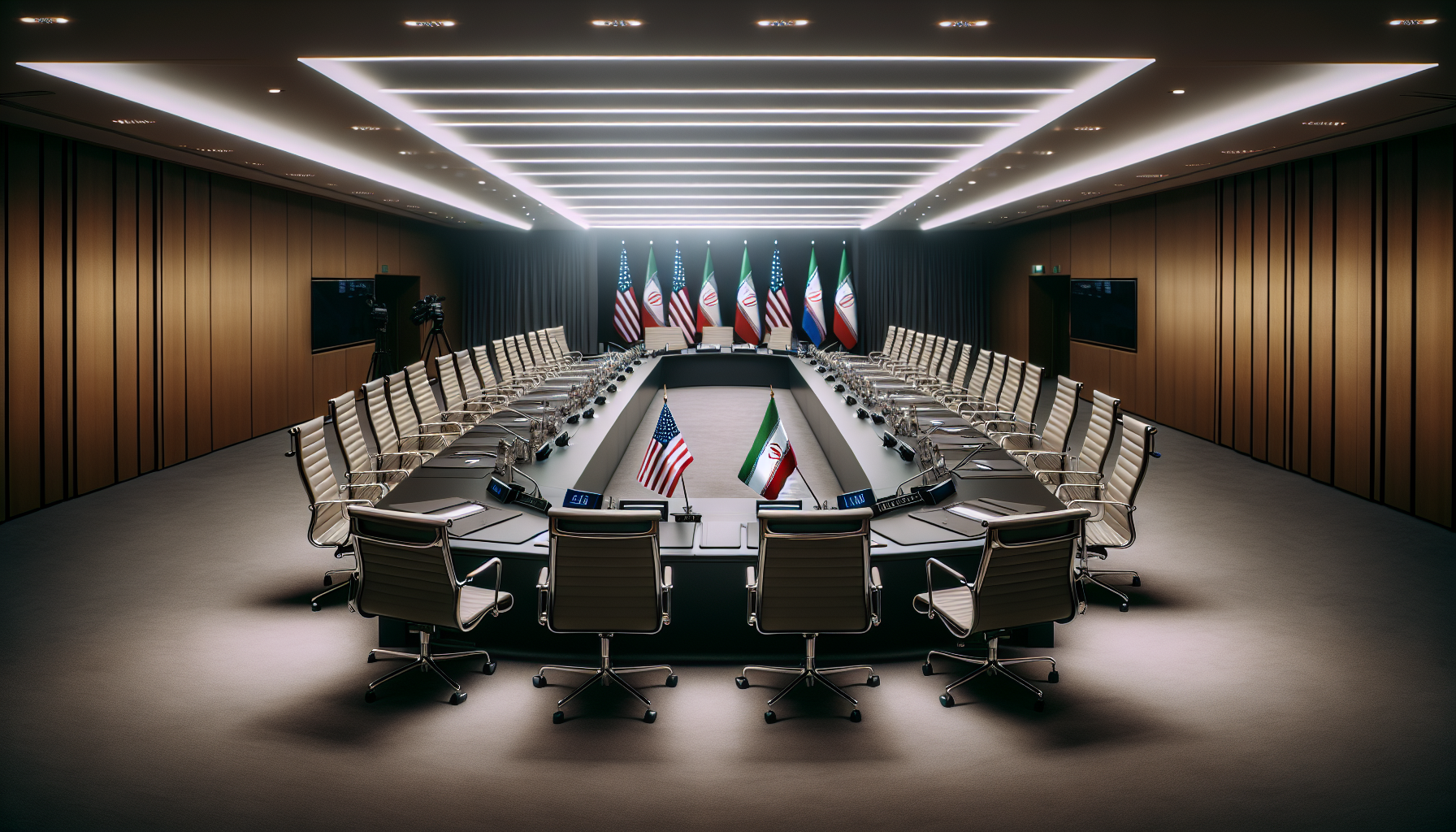
Tehran has officially turned down an invitation to engage in a second round of high-level negotiations with the United States, dealing a setback to hopes for a rapid diplomatic easing in the Middle East. The Iranian Foreign Ministry released a statement early today, emphasizing that the current environment is “not suitable” for further discussions.
The initial round of talks, held last month in a neutral European city, was seen by international observers as a tentative first step. However, Iran’s recent decision indicates a growing divide between the expectations of the two countries.
This refusal comes amid escalating regional tensions and a domestic political climate in Iran that remains deeply wary of Western overtures. The core issue behind the rejection centers on disagreements over the order of sanctions relief. Iranian officials have insisted that meaningful talks depend on the immediate lifting of economic sanctions, a demand the White House has yet to accept.
Tehran perceives the proposed second round as a delaying tactic rather than a sincere attempt to resolve fundamental issues. Iranian leadership pointed to the absence of “concrete progress” following the first meeting, warning that continuing negotiations without a clear plan for economic concessions would be “pointless and merely symbolic.”
Meanwhile, the international community has responded cautiously. European mediators have called on both parties to continue dialogue, but the breakdown in communication raises concerns about a resurgence of “maximum pressure” strategies and retaliatory actions in the Persian Gulf region.
Analysts believe Iran’s rejection could be a calculated move to strengthen its bargaining position, though it risks further isolating the country from the global financial system. For now, diplomatic channels remain frozen, leaving the future of regional security uncertain as Washington and Tehran each adhere firmly to their respective red lines.
