



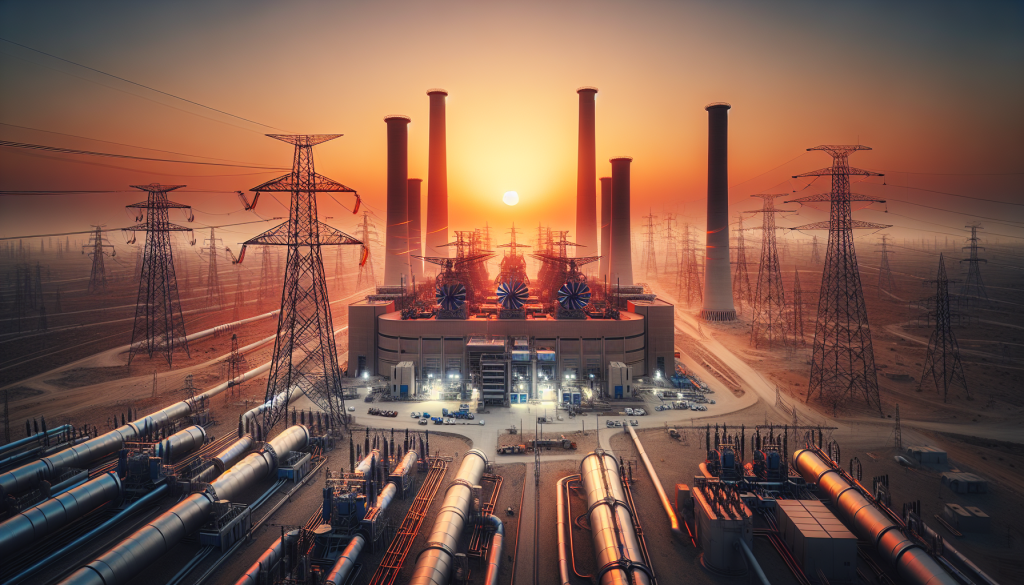
Pakistan has witnessed a marked increase in its power generation capacity, reflecting ongoing efforts to stabilize the national grid and meet growing electricity demands. This development is crucial as the country continues to face challenges related to energy shortages and load shedding, which have historically impacted both households and industries. The rise in power output is expected to improve the reliability of electricity supply across urban and rural areas, fostering better living standards and economic productivity.
In a significant development, the expansion in power generation comes amid government initiatives to diversify energy sources, including investments in renewable energy and modernization of existing infrastructure. These measures aim to reduce dependence on imported fuels and enhance energy security. The increase also aligns with Pakistan’s broader goals of supporting industrial growth and attracting foreign investment by ensuring a more stable power environment.
Meanwhile, the enhanced power generation capacity could have far-reaching impacts on Pakistan’s economic landscape, potentially reducing operational costs for businesses and encouraging new ventures. Reliable electricity supply is a key factor in improving the country’s competitiveness in regional and global markets. As Pakistan continues to address its energy challenges, sustained growth in power generation will be vital for long-term development and social welfare.

Leave an opinion