



Pakistan has officially terminated the provision of free electricity units for employees in the power sector for the first time in its history. This decision, announced by the Energy Minister Awais Leghari on Friday, addresses a long-standing public demand and marks a significant step toward comprehensive reforms in the energy sector.
Leghari stated that the move was made under the directive of Prime Minister Shehbaz Sharif and has received judicial approval. He expressed gratitude for being able to fulfill this public demand, emphasizing the government’s commitment to taking all necessary actions for the collective advancement of the country and its citizens.
While the minister did not elaborate on the implementation details or the financial implications of this policy change, the announcement coincides with a notable improvement in Pakistan’s electricity supply situation.
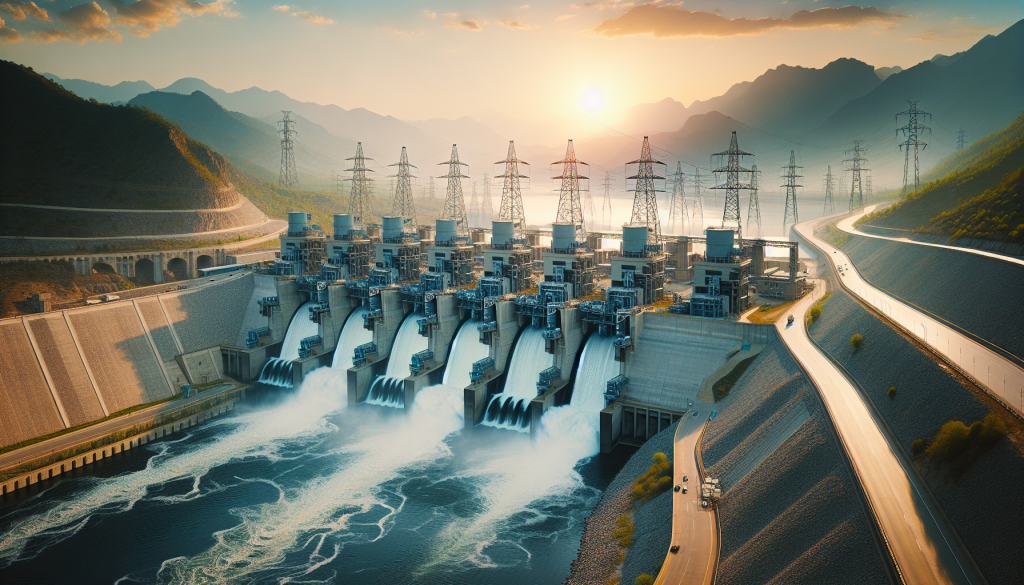
Meanwhile, the country’s electricity shortfall has decreased to approximately 3,000 megawatts. This improvement is attributed to favorable weather conditions that reduced demand and increased water releases from dams, which enhanced hydropower generation. Total power production rose to about 16,010 megawatts against a demand of 19,000 megawatts, alleviating pressure on the national grid.
Hydropower output climbed to around 3,400 megawatts following increased water discharges by the Indus River System Authority (IRSA) from major reservoirs. Thermal power plants contributed roughly 8,000 megawatts, while nuclear facilities generated 2,880 megawatts. Additionally, wind power supplied 1,300 megawatts, solar power 350 megawatts, and bagasse-based plants 80 megawatts.
Officials noted a reduction in load-shedding, with power outages in the Islamabad region eliminated entirely. This progress follows a significant rise in water releases from key dams, including Tarbela Dam, where discharges increased from 8,000 to 30,000 cusecs, and Mangla Dam, where releases reached 15,000 cusecs.
Water allocations to provinces were also raised, with Sindh’s share increasing from 35,000 to 50,000 cusecs and Punjab’s from 33,000 to 43,000 cusecs. These higher water flows are expected to further enhance hydropower production in the coming days, potentially easing power shortages even more.
In a related update on Thursday, Minister Leghari highlighted that Pakistan was facing a shortfall exceeding 3,400 megawatts, primarily due to reduced hydropower output and disruptions in imported gas supplies. He explained that fluctuating demand caused by weather changes and lower water releases for irrigation had strained electricity generation, necessitating load management during peak periods.
Leghari also pointed to regional tensions affecting liquefied natural gas (LNG) imports, which limited generation from gas-based power plants. Officials remain hopeful that the situation will improve if water inflows remain steady and fuel supply challenges are resolved.

Leave an opinion