



The Foreign Office announced on Thursday that a date for the upcoming United States–Iran negotiations has not yet been established, while Pakistan maintains its proactive diplomatic efforts to uphold regional stability and encourage dialogue between the two nations.
Foreign Office spokesperson Tahir Andrabi emphasized Pakistan’s ongoing commitment to fostering peace in the Middle East, highlighting Islamabad’s consistent support for initiatives aimed at easing tensions and promoting constructive communication between adversaries.
Pakistan’s diplomatic outreach has involved high-level discussions with influential regional and international figures in recent weeks, demonstrating a persistent drive to contribute to de-escalation following recent regional unrest.
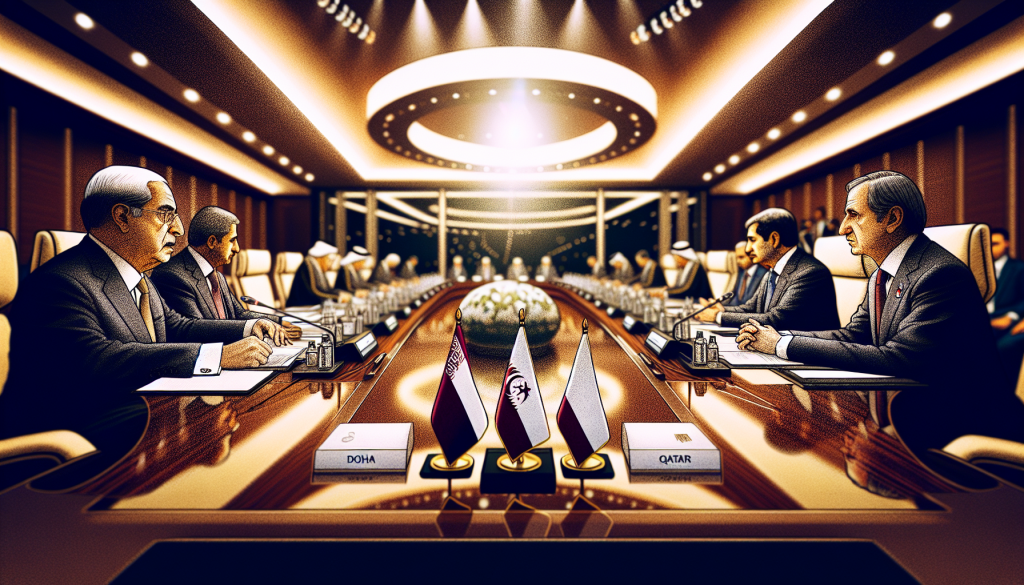
In a significant development, Prime Minister Shehbaz Sharif, after departing Medina, is set to meet Qatar’s Emir Sheikh Tamim bin Hamad Al Thani in Doha. Their talks are expected to address regional dynamics, including the US-Iran diplomatic process and broader efforts to stabilize the Middle East.
Meanwhile, Field Marshal Asim Munir’s recent visit to Tehran signals Pakistan’s simultaneous engagement with multiple regional capitals as part of its comprehensive peace strategy. These interactions aim to keep communication channels open amid a fragile geopolitical landscape.
The Foreign Office highlighted Pakistan’s instrumental role in recent peace initiatives, including diplomatic efforts that contributed to a ceasefire agreement in the region. Both US and Iranian delegations met with Pakistan’s prime minister and senior military officials last week in Islamabad, where they expressed appreciation for Pakistan’s hospitality and facilitation.
Foreign Minister Ishaq Dar and his team have played an active role in organizing and supporting the negotiation processes. Officials describe Pakistan’s involvement as essential coordination and bridge-building between the conflicting parties.
Pakistan’s diplomatic efforts extend beyond the immediate region. Prime Minister Shehbaz Sharif’s recent visit to Saudi Arabia included briefing the leadership on Pakistan’s peace initiatives. Additionally, the Saudi leadership, the Emir of Qatar, the German Chancellor, and the Italian Prime Minister have all engaged in telephone conversations with the Pakistani premier, commending Islamabad’s contributions to regional stability.
On the global stage, Ishaq Dar has held several telephonic discussions with foreign ministers from various countries, many of whom have recognized Pakistan’s diplomatic engagement and its role in de-escalation efforts.
The Foreign Office reiterated Pakistan’s concerns over recent regional security developments, including condemning Israeli airstrikes on Lebanon on April 9, describing them as threats to peace and stability in the region. Islamabad called on the international community to acknowledge actions that undermine efforts toward lasting calm in the Middle East.
Pakistan also reaffirmed its stance on regional issues, notably accusing India of involvement in terrorism-related activities and condemning actions in Indian-administered Kashmir. It urged the global community to address ongoing human rights violations and criticized extremist narratives contributing to instability.
Reasserting its foreign policy, Pakistan pledged continued moral, political, and diplomatic support for the Kashmiri people while raising concerns about reported violence against minorities in India.
Officials stated that Pakistan’s broader diplomatic agenda remains centered on promoting peace, encouraging dialogue, and enhancing international cooperation to prevent further escalation in already volatile regions.

Leave an opinion