



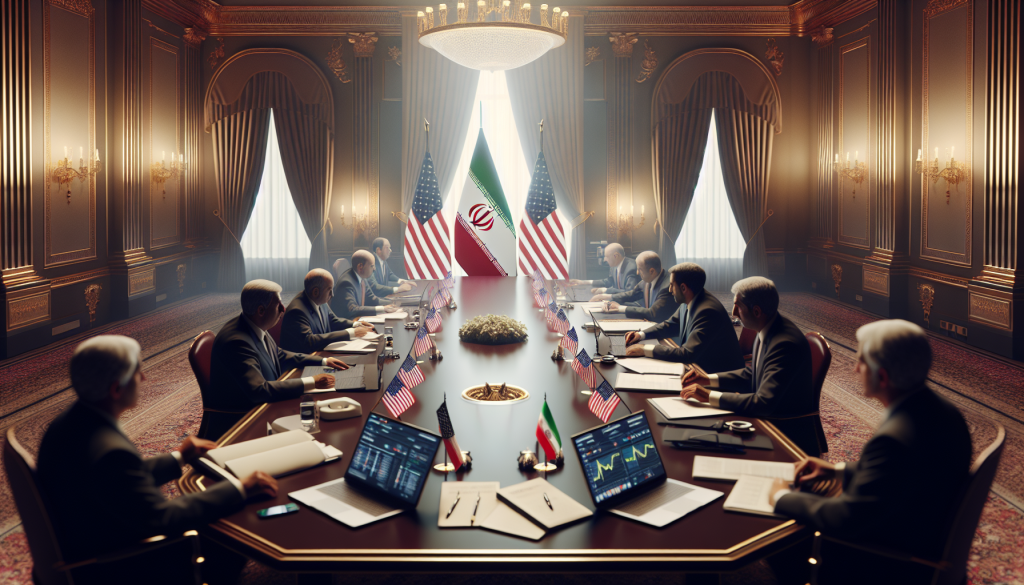
Iran is pressing the United States to release approximately $100 billion in assets that have been frozen for years. These funds are seen as crucial for Tehran to stabilize and rebuild its economy, which has been severely impacted by sanctions and economic challenges. The frozen assets are held in various international financial institutions, primarily linked to transactions involving Iran’s oil revenues and other state resources. Unlocking these funds could provide significant relief to Iran’s financial system and help address urgent economic needs.
In a significant development, the demand for asset release is part of ongoing diplomatic talks aimed at easing tensions and potentially reviving nuclear agreements. The frozen money represents a substantial portion of Iran’s overseas reserves, which have been inaccessible due to US-imposed sanctions. Analysts suggest that access to these assets could improve Iran’s ability to import essential goods and invest in infrastructure projects. Meanwhile, the US maintains that the release of funds is contingent on Iran’s compliance with international agreements and regional security concerns.
The broader implications of unfreezing these assets extend beyond economics, potentially influencing geopolitical dynamics in the Middle East. For Iran, the funds could enable economic recovery and enhance domestic stability, while for the US and its allies, they represent leverage in negotiations over Iran’s nuclear program and regional behavior. The outcome of these discussions will be closely watched by global markets and policymakers, as it may set a precedent for how frozen state assets are managed in international diplomacy.

Leave an opinion