



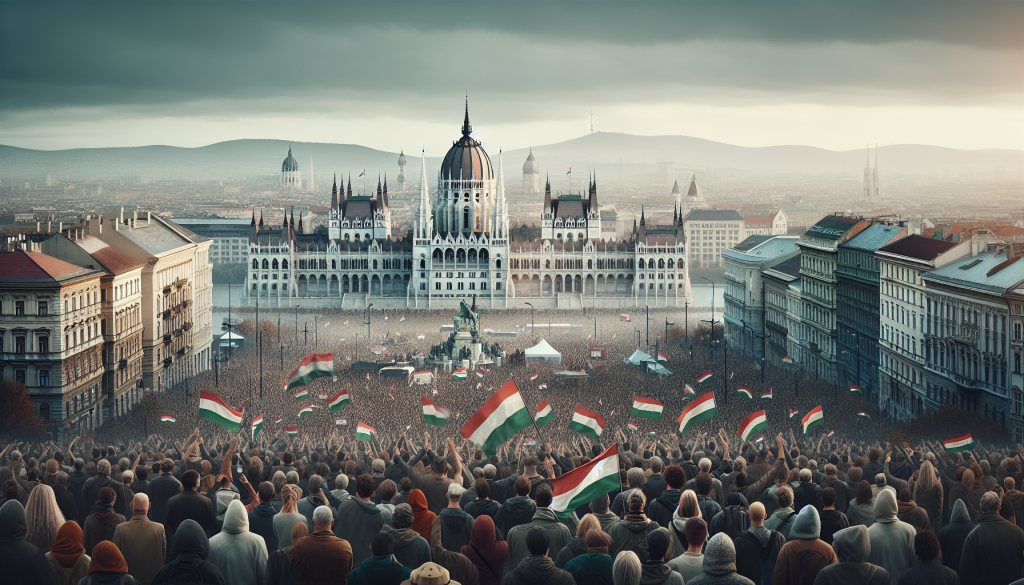
In a significant development, Viktor Orban was defeated in Hungary’s recent elections, marking a major political shift in the country. Orban, who has been a dominant figure in Hungarian politics for over a decade, is known for his nationalist and illiberal governance style. His tenure has been characterized by efforts to consolidate power, restrict media freedom, and challenge EU norms. However, the political ideology associated with him, often referred to as ‘Orbanism,’ remains influential in Hungary’s political discourse.
Orbanism is rooted in a broader context of rising illiberal tendencies within the European Union itself, where some member states have adopted more authoritarian and nationalist policies. This trend has been accompanied by increased militarization and a focus on national sovereignty over supranational cooperation. These dynamics have complicated the EU’s internal cohesion and have influenced political debates across the continent. Hungary’s political landscape continues to reflect these tensions, even as Orban himself steps back from power.
Meanwhile, the persistence of Orbanism highlights the challenges facing liberal democracy in Europe. The ideology’s emphasis on strong centralized control, skepticism of liberal institutions, and promotion of traditional values resonates with a significant portion of the Hungarian electorate. As Hungary navigates this transition, the broader implications for EU unity and democratic governance remain uncertain. The defeat of Orban does not necessarily signal the end of his political legacy or the ideologies he championed.

Leave an opinion