



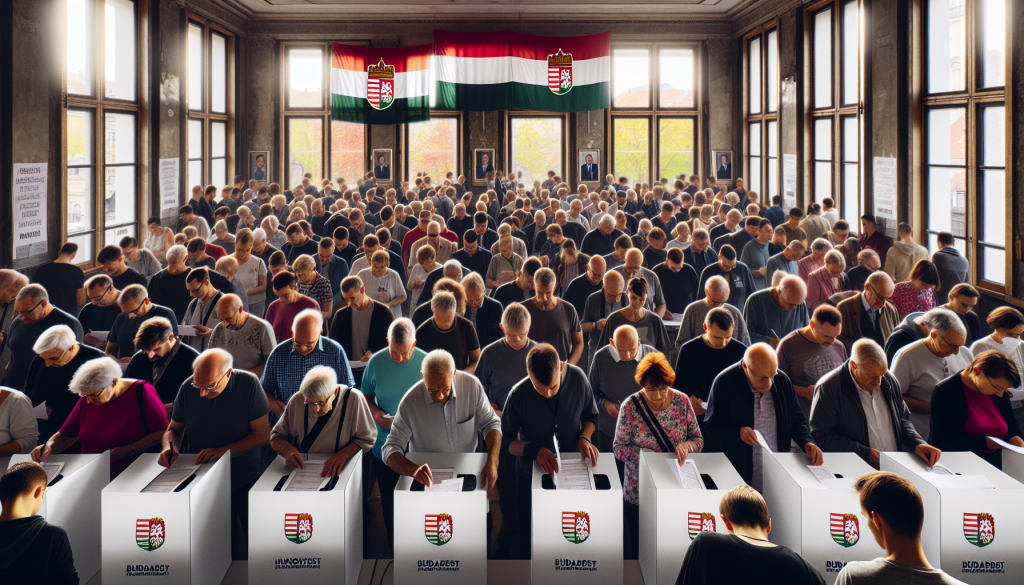
Hungarian Prime Minister Viktor Orban is confronting a significant political challenge as his Fidesz party heads into Sunday’s parliamentary election. This election is notable for being the first time in years that Orban’s dominance is seriously contested, signaling a potential shift in Hungary’s political landscape. Orban, who has been in power since 2010, has built a strong nationalist and conservative base, but recent opposition unity has tightened the race considerably.
Meanwhile, opposition parties in Hungary have formed a rare coalition to challenge Orban’s long-standing rule, aiming to capitalize on growing public dissatisfaction with his government’s policies. This election is seen as a critical test of Orban’s political survival, as well as a referendum on his controversial governance style, which critics accuse of undermining democratic institutions. The outcome could reshape Hungary’s future direction both domestically and within the European Union.
In a significant development, international observers and analysts are closely watching the election due to its implications for regional stability and EU relations. Orban’s leadership has often been at odds with Brussels, especially over issues like migration and rule of law. A loss or weakened mandate for Orban could lead to changes in Hungary’s policies and its stance within the EU, making this election a pivotal moment for the country and the broader European political environment.

Leave an opinion