

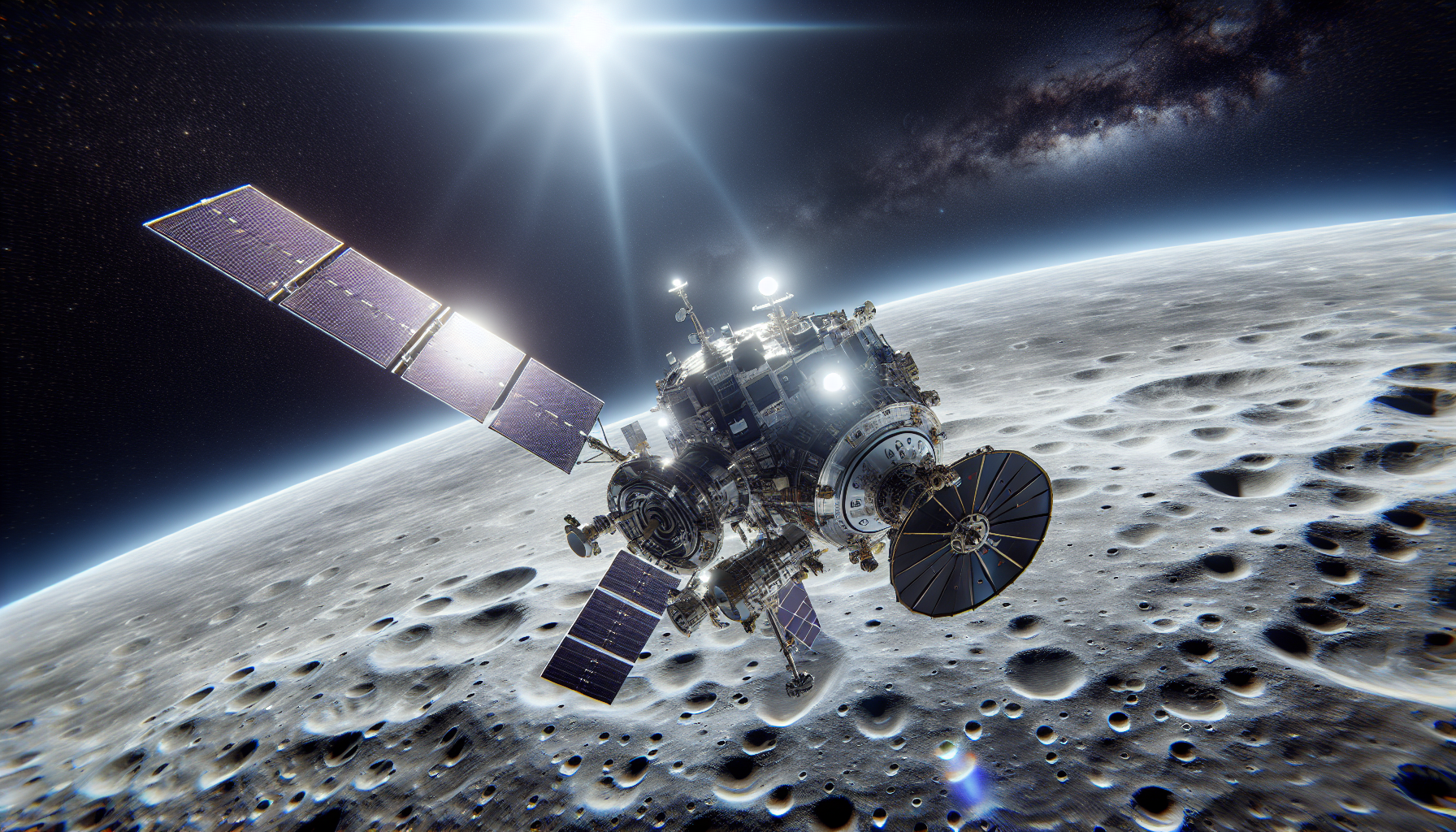
The Artemis II mission has been hailed as a major success, demonstrating the capabilities of NASA’s new lunar exploration program. This mission, which involved a crewed spacecraft orbiting the Moon, was executed with remarkable precision and safety. It represents a critical step forward in NASA’s goal to return humans to the lunar surface for the first time since the Apollo era. The flawless execution of this mission has boosted confidence in the technologies and procedures developed for deep space travel.
Meanwhile, despite this achievement, NASA faces substantial challenges before the next phase of the Artemis program can be realized. The upcoming Artemis III mission aims to land astronauts on the Moon, a feat that requires overcoming complex technical, logistical, and safety obstacles. These include the development of a reliable lunar lander, ensuring sustainable life support systems, and addressing the harsh lunar environment. Successfully navigating these challenges is essential for establishing a long-term human presence on the Moon.
In a significant development for space exploration, the Artemis program’s progress underscores the renewed international interest in lunar missions. The success of Artemis II not only validates current spaceflight technologies but also sets the stage for future missions that could pave the way for Mars exploration. The mission’s outcomes have energized the scientific community and policymakers, highlighting the importance of sustained investment in space exploration. As NASA prepares for the demanding tasks ahead, the Artemis program continues to inspire global enthusiasm for humanity’s next giant leap.
