

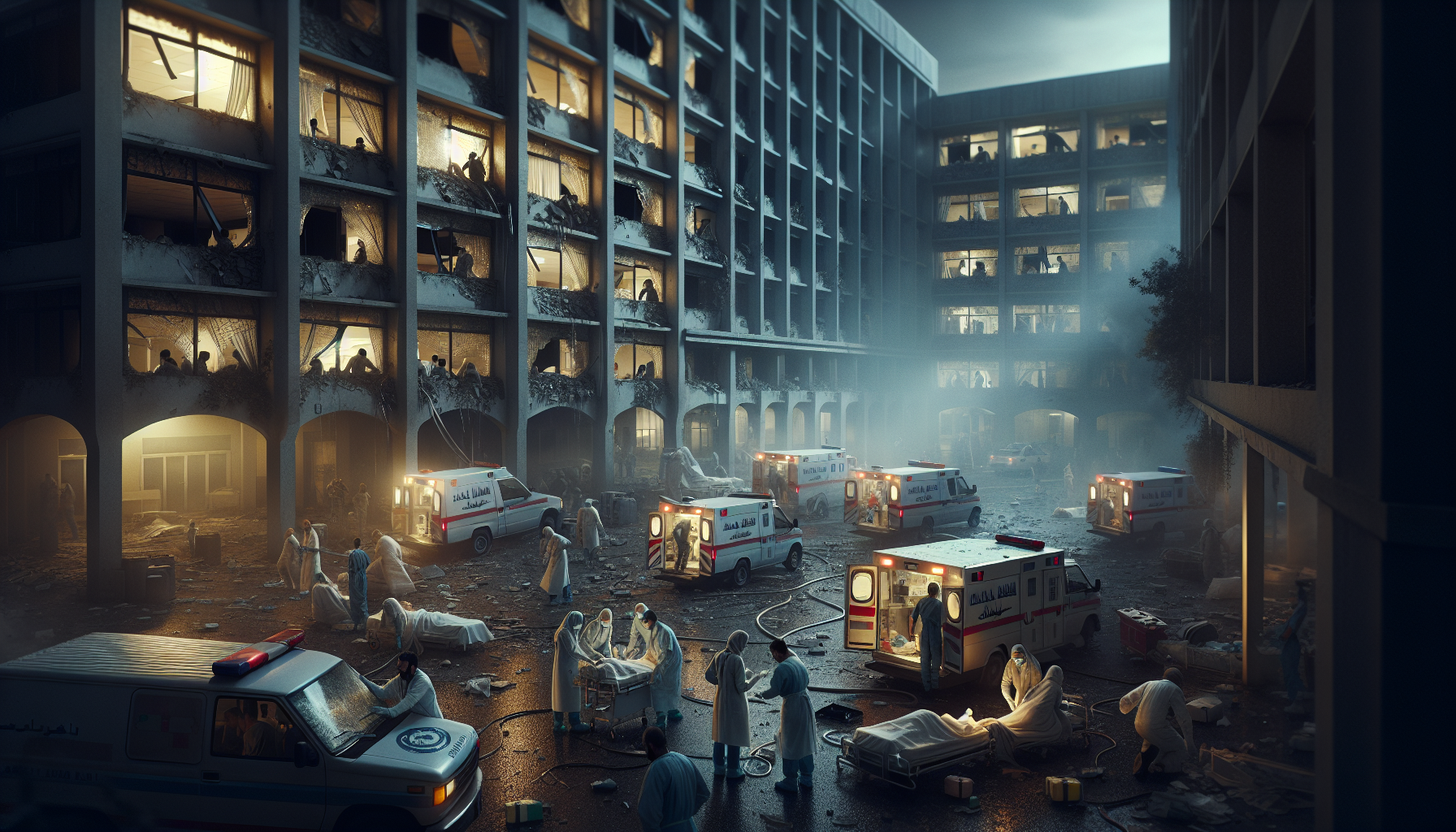
Israel’s persistent military operations in Lebanon have increasingly jeopardized the country’s healthcare system. Hospitals and clinics face significant challenges as infrastructure is damaged and medical supplies become scarce. This escalation not only endangers patients requiring urgent care but also strains healthcare workers operating under extreme conditions. The disruption of essential health services raises concerns about the broader humanitarian impact on Lebanon’s civilian population.
In a significant development, the ongoing conflict has led to interruptions in the delivery of critical medical aid and emergency response capabilities. The destruction of healthcare facilities complicates efforts to treat injuries sustained during the attacks and manage chronic health conditions. Meanwhile, international health organizations warn that prolonged conflict could trigger a public health crisis, exacerbating existing vulnerabilities in Lebanon’s medical system. The situation underscores the urgent need for conflict de-escalation to protect civilian lives and maintain essential health services.
Notably, the targeting of healthcare infrastructure during armed conflict violates international humanitarian laws designed to safeguard medical neutrality. The impact on Lebanon’s healthcare sector highlights the broader consequences of military aggression on civilian populations. As the conflict continues, the international community faces mounting pressure to intervene and ensure the protection of healthcare workers and facilities. The preservation of medical services is critical to mitigating the humanitarian fallout and supporting Lebanon’s recovery efforts in the aftermath of hostilities.
