



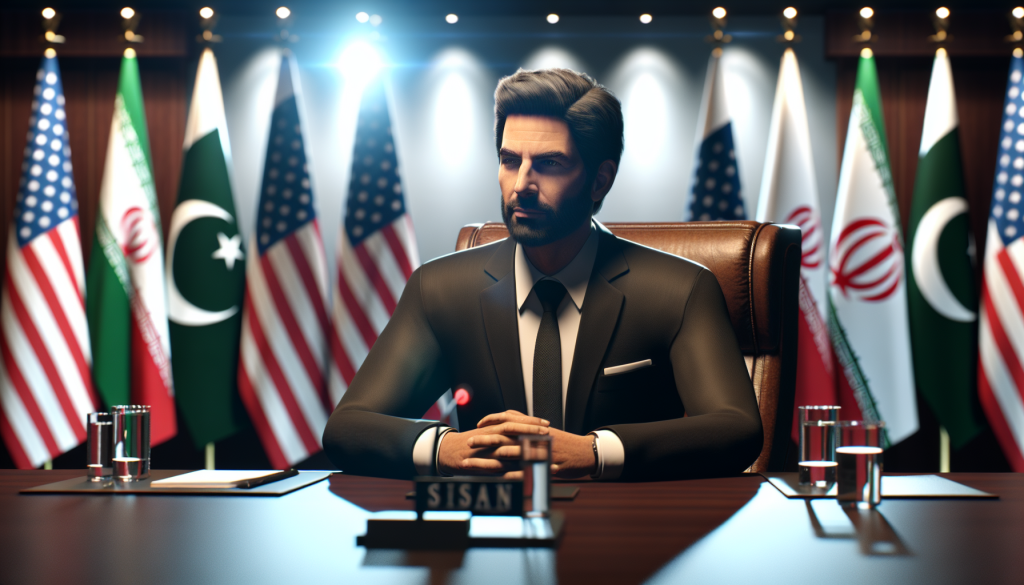
JD Vance has become a prominent and divisive figure in American politics, combining a personal narrative of adversity with a rapid political rise. Raised in Middletown, Ohio, Vance frequently emphasizes his working-class roots, shaped by his grandmother, to connect with voters and bolster his populist image. He is scheduled to visit Islamabad for crucial discussions between Iran and the US, facilitated by Pakistan as part of a ceasefire mediation effort.
Before his political career, Vance gained nationwide attention with his memoir Hillbilly Elegy, which explored the challenges faced by white working-class communities in the United States. The book established him as a cultural commentator on the socio-economic dynamics that contributed to Donald Trump’s ascent.
Initially critical of Trump during the 2016 election, Vance later underwent a significant political shift. He aligned himself firmly with Trump’s “Make America Great Again” movement, eventually winning a Senate seat from Ohio and later becoming vice president. His path to the White House was strongly supported by influential Silicon Valley figures, including billionaire Peter Thiel, placing him at a unique crossroads between populist politics and elite tech circles.
As vice president, Vance has emerged as one of Trump’s staunchest defenders and policy advocates. He has adopted a hardline approach on immigration, law enforcement, and free speech, often reinforcing Trump’s rhetoric while developing his own political persona.
Vance’s influence is further demonstrated by his role as finance chair of the Republican National Committee, where he has cultivated strong relationships with major donors. His extensive travel across the country is widely viewed as groundwork for an unofficial campaign targeting the 2028 presidential election.
While critics accuse him of political opportunism and shifting stances, supporters contend that his evolution reflects strategic pragmatism and a keen grasp of the current political environment. His ability to unite diverse factions—from grassroots conservatives to powerful tech elites—positions him as a key architect of the Republican Party’s future.
In a significant development, Vance has expanded his role internationally, serving as a crucial mediator in backchannel diplomacy between the US and Iran. His involvement in facilitating talks hosted in Pakistan highlights a notable broadening of his responsibilities beyond domestic politics.
Reports link Vance to diplomatic efforts aimed at reducing tensions and opening dialogue between Washington and Tehran. His role has gained importance amid rising Middle East conflicts, where both parties have shown tentative openness to negotiations.
Vance’s diplomatic experience includes high-stakes missions such as negotiating a ceasefire with Hamas in Israel. These assignments have established him as a trusted envoy for the Trump administration, adept at managing complex geopolitical crises.
His participation in Iran-US talks reflects a dual strategy: maintaining a firm public stance while quietly pursuing negotiation channels. Analysts note this approach mirrors the Trump administration’s broader foreign policy, which blends pressure with selective diplomacy.
Simultaneously, Vance’s mediation efforts underscore his growing international prominence. By engaging in sensitive negotiations hosted by Pakistan, he not only strengthens US diplomatic outreach but also enhances his credentials as a potential future presidential candidate.
As tensions persist, Vance’s dual role as a loyal political ally domestically and an emerging diplomatic figure internationally suggests he is positioning himself as a central player in shaping America’s next chapter, both at home and abroad.

Leave an opinion