

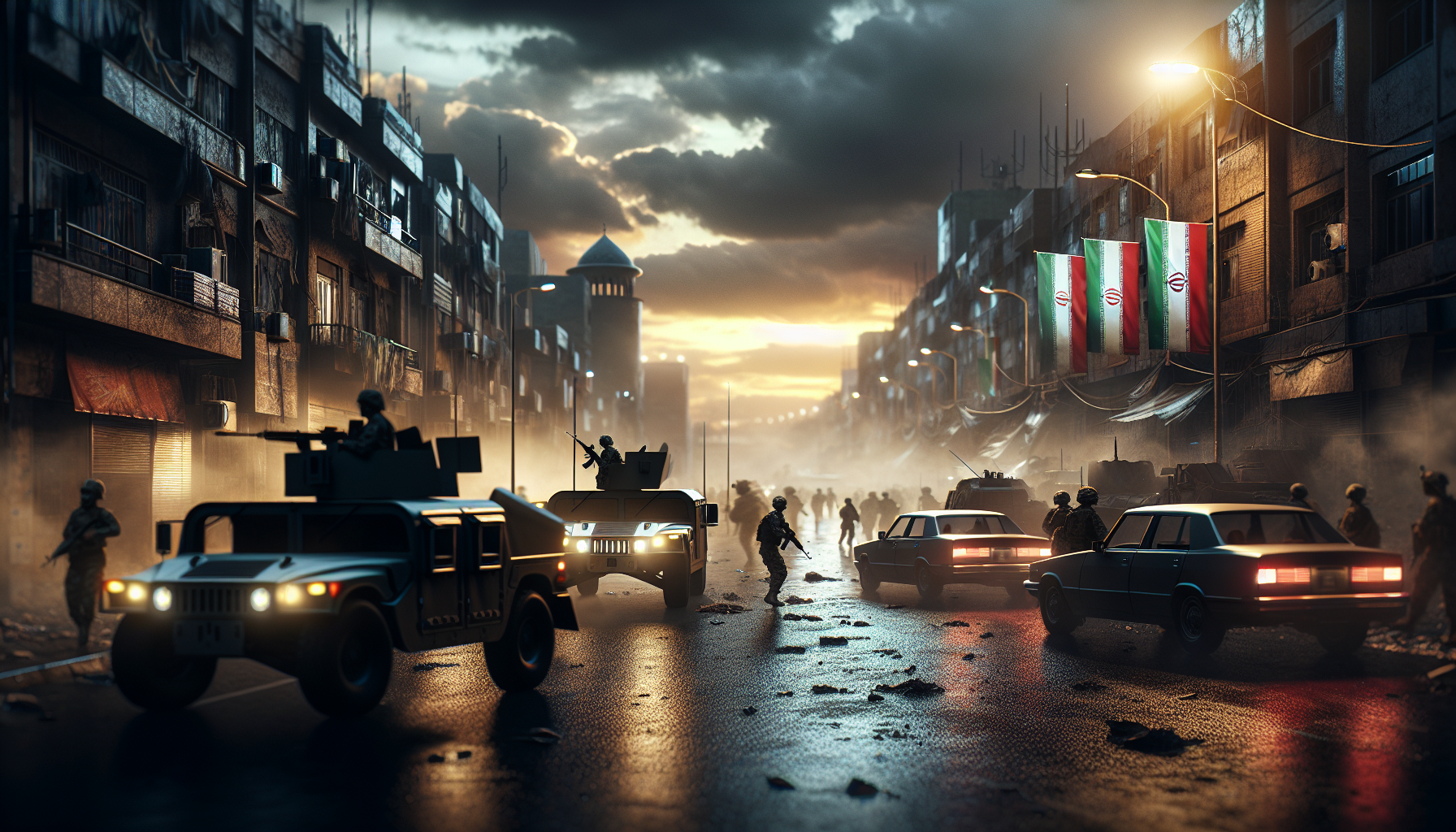
The United States’ engagement in conflict with Iran has once again highlighted a pattern of military and political challenges reminiscent of earlier wars. This confrontation is characterized by strategic miscalculations and a failure to fully grasp the complexities of the region, which have historically undermined US objectives. Past conflicts, such as those in Vietnam and Iraq, similarly showcased the pitfalls of overestimating military power and underestimating local dynamics. These repeated errors have contributed to prolonged instability and questioned the efficacy of American foreign policy in the Middle East.
Meanwhile, the implications of this ongoing struggle extend beyond immediate military outcomes, affecting diplomatic relations and regional security. Iran’s resilience and strategic positioning have complicated US efforts, leading to a stalemate that fuels further tensions. The conflict also influences global energy markets and international alliances, as countries navigate the repercussions of sustained hostilities. Notably, this situation underscores the challenges faced by superpowers when engaging in asymmetric warfare against determined adversaries.
In a significant development, analysts warn that without a recalibrated approach, the US risks repeating the costly mistakes of its past interventions. The war on Iran serves as a cautionary tale about the dangers of hubris and ignorance in foreign policy decision-making. It calls for a deeper understanding of regional complexities and a more nuanced strategy that prioritizes diplomacy alongside military considerations. Ultimately, the outcome of this conflict will shape the future trajectory of US involvement in the Middle East and its global standing.
