

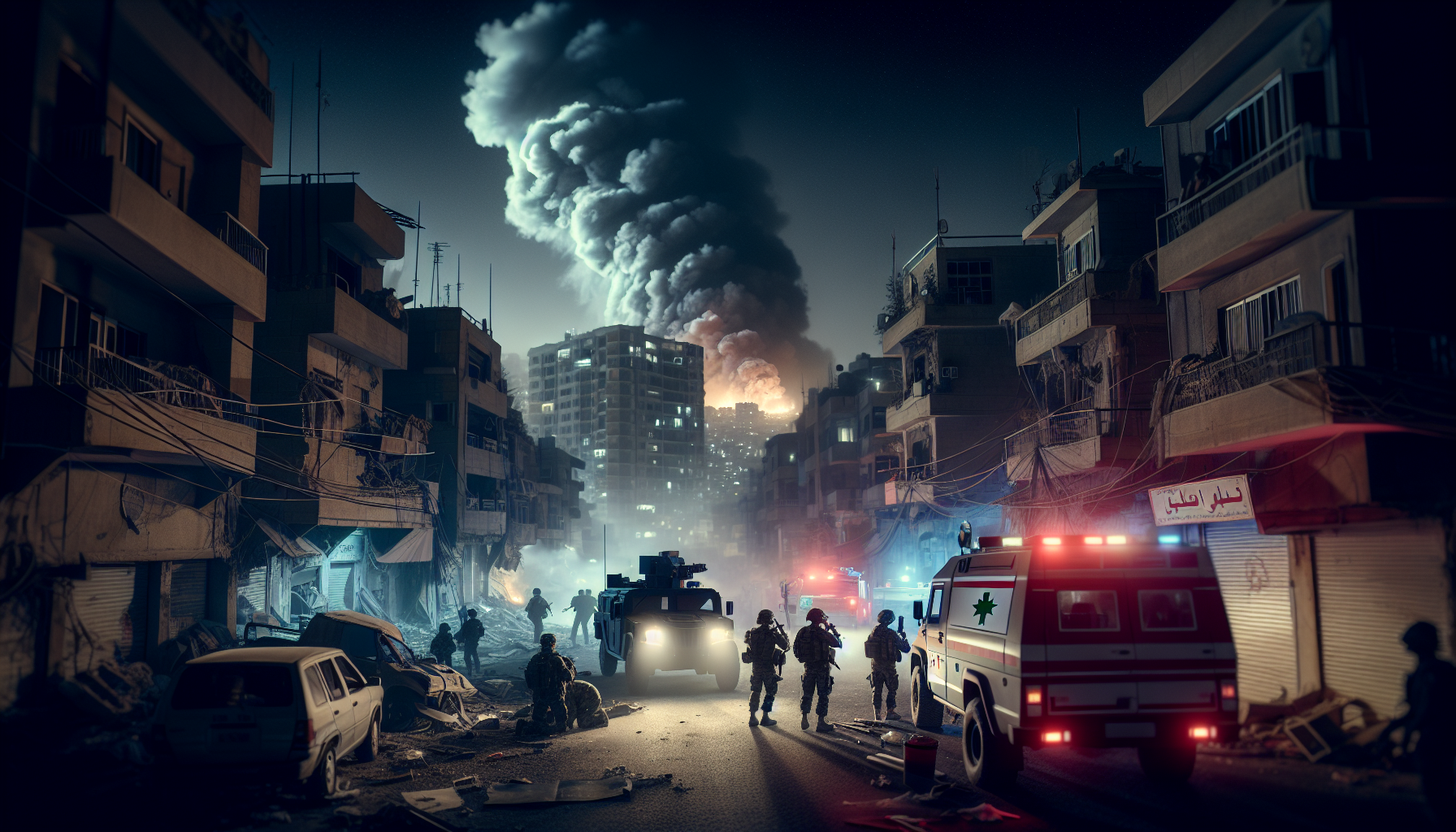
In a significant escalation, the Israeli military has launched fresh attacks targeting towns in southern Lebanon as well as areas considered safe around Beirut. These strikes mark a continuation of the ongoing conflict, which has already severely impacted civilian populations. The affected regions, previously regarded as relatively secure, are now facing increased destruction and instability. This intensification raises concerns about the broader implications for regional security and civilian safety.
Southern Lebanon has historically been a flashpoint in the Israeli-Lebanese conflict, with various militant groups operating in the area. The recent military actions by Israel aim to weaken these groups but have also resulted in widespread damage to infrastructure and displacement of residents. Meanwhile, the proximity of the strikes to Beirut, Lebanon’s capital, signals a worrying expansion of the conflict zone. This development threatens to destabilize the capital’s fragile security environment and exacerbate the humanitarian crisis.
The deepening humanitarian crisis in Lebanon is compounded by the destruction of homes, disruption of essential services, and limited access to aid for affected communities. International observers have expressed alarm over the rising civilian toll and the potential for further escalation. As the situation unfolds, the need for urgent humanitarian assistance and diplomatic efforts to de-escalate tensions becomes increasingly critical. The ongoing conflict underscores the fragile state of peace in the region and the urgent need for a sustainable resolution.
