



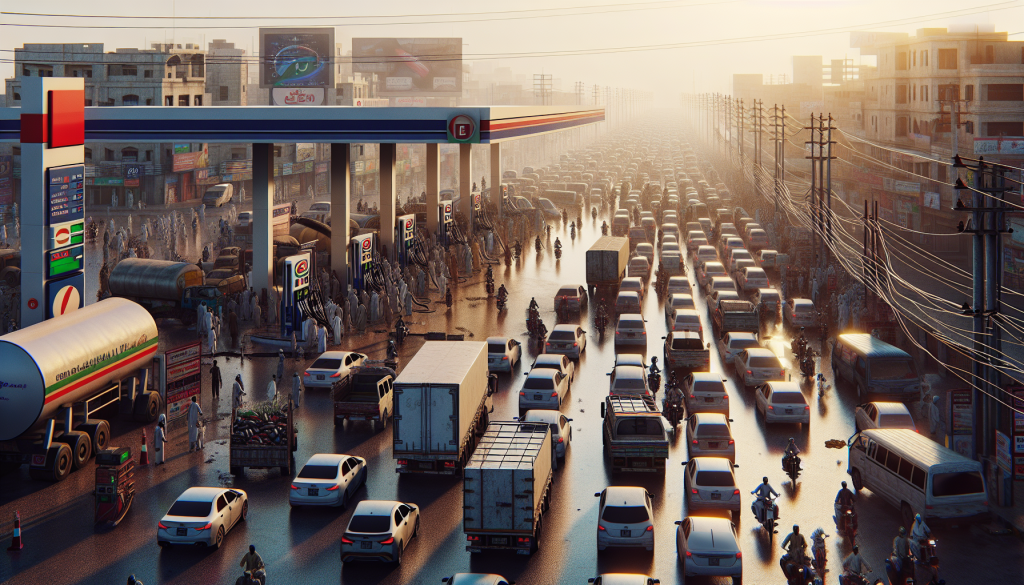
As conflicts in the Gulf region continue to disrupt global energy supplies, escalating oil prices and limited availability have led to urgent calls for fuel conservation in Pakistan. Authorities are encouraging citizens to adopt more efficient energy consumption habits to mitigate the impact.
The ongoing tensions in the Middle East, particularly involving Iran, have caused crude oil prices to soar worldwide. This surge has affected transportation costs, food prices, and the overall cost of living, triggering inflationary pressures and raising concerns about economic stability across various countries.
Under the leadership of Prime Minister Shehbaz Sharif, Pakistan has pursued a policy of responsible diplomacy aimed at de-escalating regional tensions and preventing further deterioration of the situation. This approach contrasts with the worsening petroleum crises seen in neighboring countries such as India, Sri Lanka, and Bangladesh, where rationing systems, fuel shortages, and public unrest have become common.
Despite regional challenges, Pakistan’s fuel supply remains stable, with the government striving to keep petroleum prices lower than those in surrounding nations to alleviate citizens’ financial strain. To offset the global price hikes, the government has absorbed approximately Rs129 billion to cover the gap between international and domestic fuel costs. Additionally, around Rs100 billion has been reallocated from the development budget to provide immediate relief to the public.
In a significant development, wide-ranging austerity measures have been implemented. These include cuts in government spending, salary reductions for lawmakers, ministers foregoing their pay, and restrictions on non-essential travel and official events. Policies encouraging remote work and limiting the use of luxury vehicles and high-cost fuels have also been introduced.
However, officials caution that these relief efforts may not be sustainable long-term, given Pakistan’s heavy reliance on imported oil paid for in dollars. The rising import costs place additional pressure on foreign exchange reserves, which could exacerbate inflation and economic strain.
In this context, the public is urged to contribute by adopting fuel-saving practices such as carpooling, minimizing non-essential travel, conserving electricity and fuel, and embracing simpler lifestyles. Authorities stress that national unity and responsible behavior will be essential in overcoming the ongoing economic challenges, expressing confidence that collective efforts will help the country emerge stronger from the crisis.

Leave an opinion