



The ongoing conflict involving Iran is increasingly impacting the cosmetics industry’s supply chain, driving up expenses for items ranging from plastic jars and lipstick tubes to transportation. This situation highlights the industry’s reliance on delicate global trade routes, where even a simple container of face cream depends on smooth logistics.
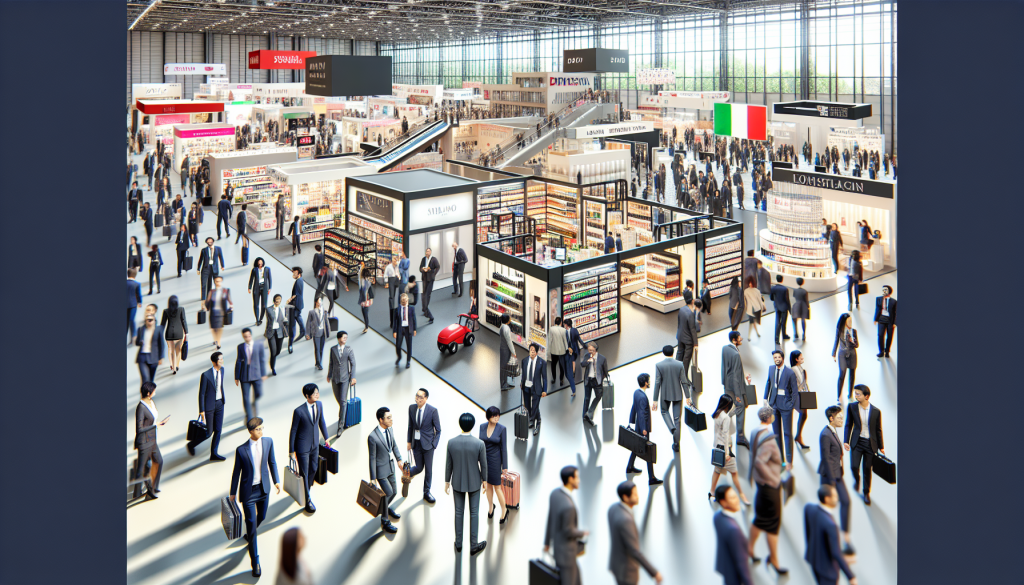
These cost pressures were a prominent topic at one of the sector’s largest trade events held recently in Bologna, northern Italy. The Cosmoprof fair attracted 3,100 exhibitors from 68 countries and welcomed 255,000 visitors representing 150 nations. Attendees included companies searching for innovative packaging solutions and retailers scouting new products.
Executives in the cosmetics sector expressed concerns primarily about rising raw material and transportation costs, driven by higher oil prices and disrupted shipping routes. Simone Dominici, CEO of Italian cosmetics group Kiko, estimated that logistics-related expenses could add approximately 1.5 million euros ($1.7 million) to the company’s annual costs. Kiko, which operates over 1,000 stores worldwide and sells lipsticks starting at 5 euros and mascaras from 7.5 euros, noted that container shortages in the Middle East have tightened availability and slowed the movement of goods.
Dominici also pointed out that increased prices for certain chemical components and packaging materials, much of which is sourced from the Far East, are contributing to the cost pressures. Meanwhile, Yonwoo, a container manufacturer supplying L’Oreal and Korean beauty brands, is urgently trying to secure plastic resin stocks needed to produce pots for skincare and cosmetic products.
In addition to rising costs, the industry faces the risk of reduced consumer demand as inflation erodes purchasing power. Dominici described the situation as a “perfect storm.” Italian contract manufacturers Intercos and Ancorotti Group reported no major supply shortages yet but acknowledged challenges such as higher logistics expenses, longer delivery times, and increased raw material prices.
Roberto Bottino, CEO of Ancorotti Group, explained that lead times have extended from eight weeks to between 12 and 14 weeks due to longer routes and congested ports. Some clients have shifted to rail transport to reach Asian markets as an alternative. Ancorotti generates around 220 million euros annually from supplying beauty brands worldwide. Bottino emphasized that it is difficult to foresee these rising supply chain costs not being passed on to customers.
Fabio Franchina, chairman of haircare product maker Framesi, noted that Middle Eastern customers prioritize quality and are willing to pay a premium, but restricted access to these markets could negatively affect business. Framesi’s regional distributor is exploring alternative delivery routes, such as shipping goods to Jeddah and then transporting them by road instead of through Persian Gulf ports. Some shipments are also being sent by air rather than sea, further increasing costs.
Italy remains a major player in the global cosmetics market, producing 18 billion euros worth of products in 2025, including 8.4 billion euros in exports. industry association Cosmetica Italia, the country ranks as the world’s fifth-largest exporter of beauty products and is a leading producer of hair dyes, eye makeup, and fragrances.

Leave an opinion