

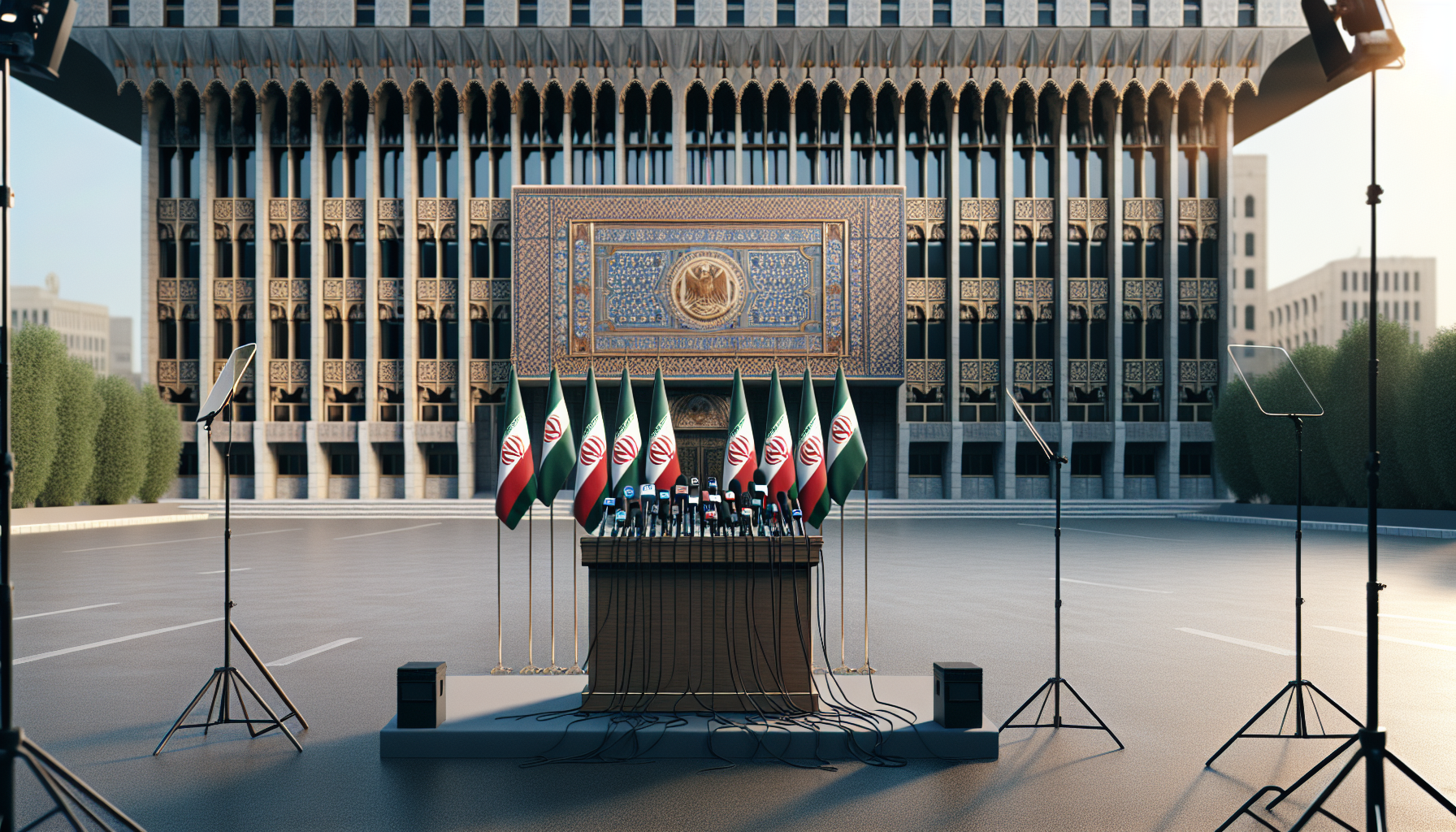
In a significant development, Iran’s Foreign Ministry spokesperson has firmly rejected the ceasefire conditions proposed by the United States. The spokesman described the US demands as excessive, unrealistic, and unreasonable, signaling a continued stalemate in diplomatic efforts. This statement underscores Tehran’s resistance to external pressure amid escalating regional conflicts. The rejection complicates prospects for a peaceful resolution and highlights the deep mistrust between the two nations.
Meanwhile, the US has been actively pushing for a ceasefire to de-escalate tensions in the region, aiming to prevent further violence and instability. The American administration’s approach involves specific conditions that Iran finds unacceptable, reflecting broader geopolitical disagreements. This impasse illustrates the challenges faced by international mediators attempting to broker peace. The ongoing discord has significant implications for regional security and international diplomatic relations.
Notably, Iran’s stance may influence the positions of other regional actors and international stakeholders involved in the conflict. The refusal to accept the US terms could prolong hostilities and hinder humanitarian efforts. It also reflects Iran’s broader strategic objectives and its desire to maintain sovereignty over its foreign policy decisions. The situation remains fluid, with potential repercussions for global diplomatic initiatives aimed at conflict resolution.
