

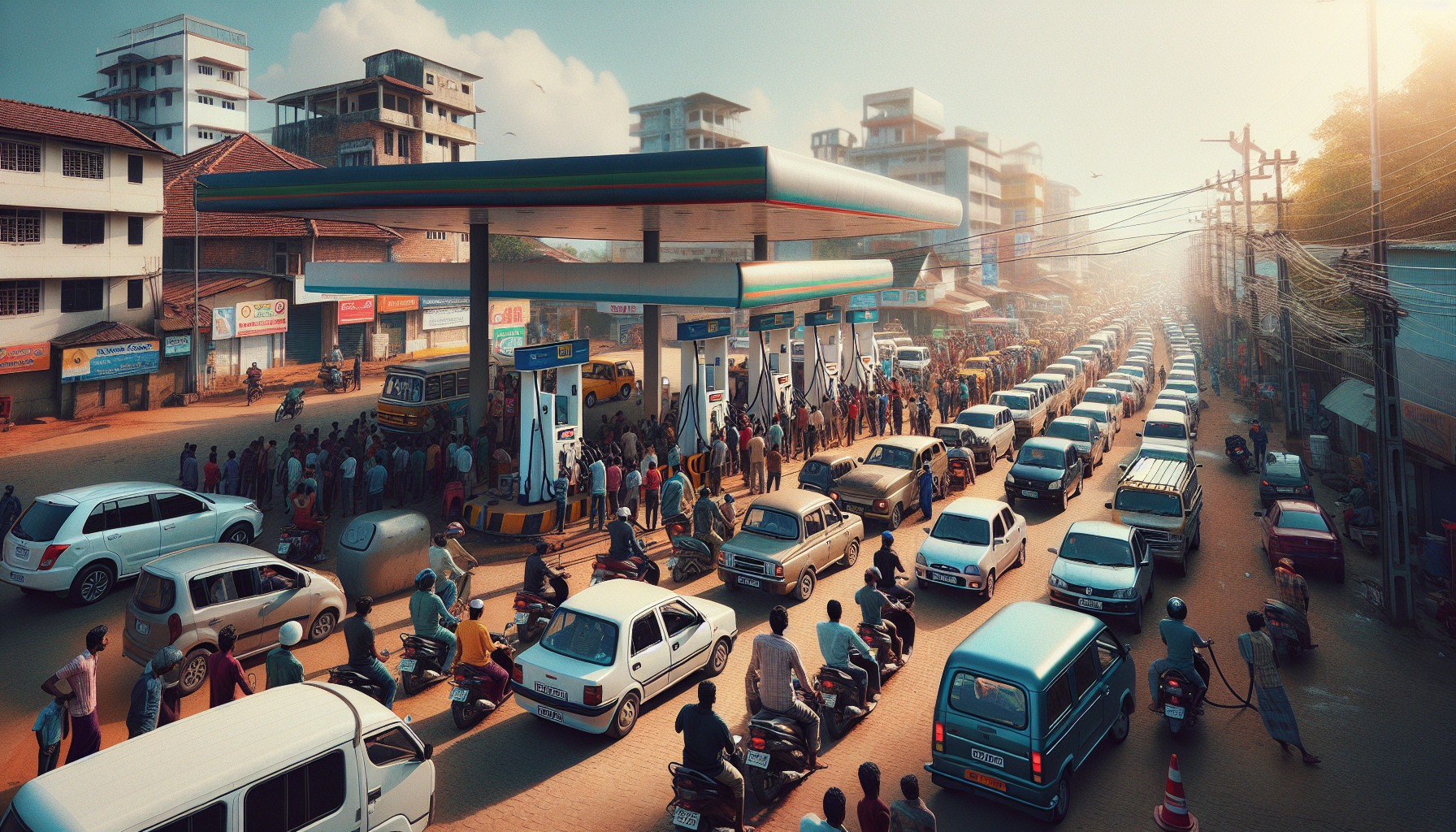
Sri Lanka is once again grappling with severe economic difficulties as fuel shortages emerge due to the ongoing conflict involving Iran. This situation has stirred memories of the devastating 2022 economic crisis, which had plunged the country into widespread hardship. The current fuel scarcity threatens to disrupt transportation, industry, and essential services, compounding the fragile state of the nation’s economy. Many citizens are facing long queues and rationing, highlighting the severity of the supply disruptions.
In a significant development, the war on Iran has had far-reaching consequences beyond the immediate conflict zone, affecting global fuel supplies and prices. Sri Lanka, heavily reliant on imported fuel, is particularly vulnerable to such external shocks. The economic turmoil from 2022 had already weakened the country’s financial stability, and this new challenge risks reversing progress made in recovery efforts. The government is under pressure to find alternative energy sources and stabilize the market to prevent further social and economic distress.
Meanwhile, the broader implications of the Iran conflict continue to ripple through international markets, underscoring the interconnectedness of geopolitical events and local economies. For Sri Lanka, the fuel shortage is not just an inconvenience but a critical issue that could hinder economic growth and development. Addressing this crisis requires coordinated policy responses and international cooperation to mitigate the impact on vulnerable populations. The situation remains fluid, with the potential to influence Sri Lanka’s economic trajectory in the coming months.
