

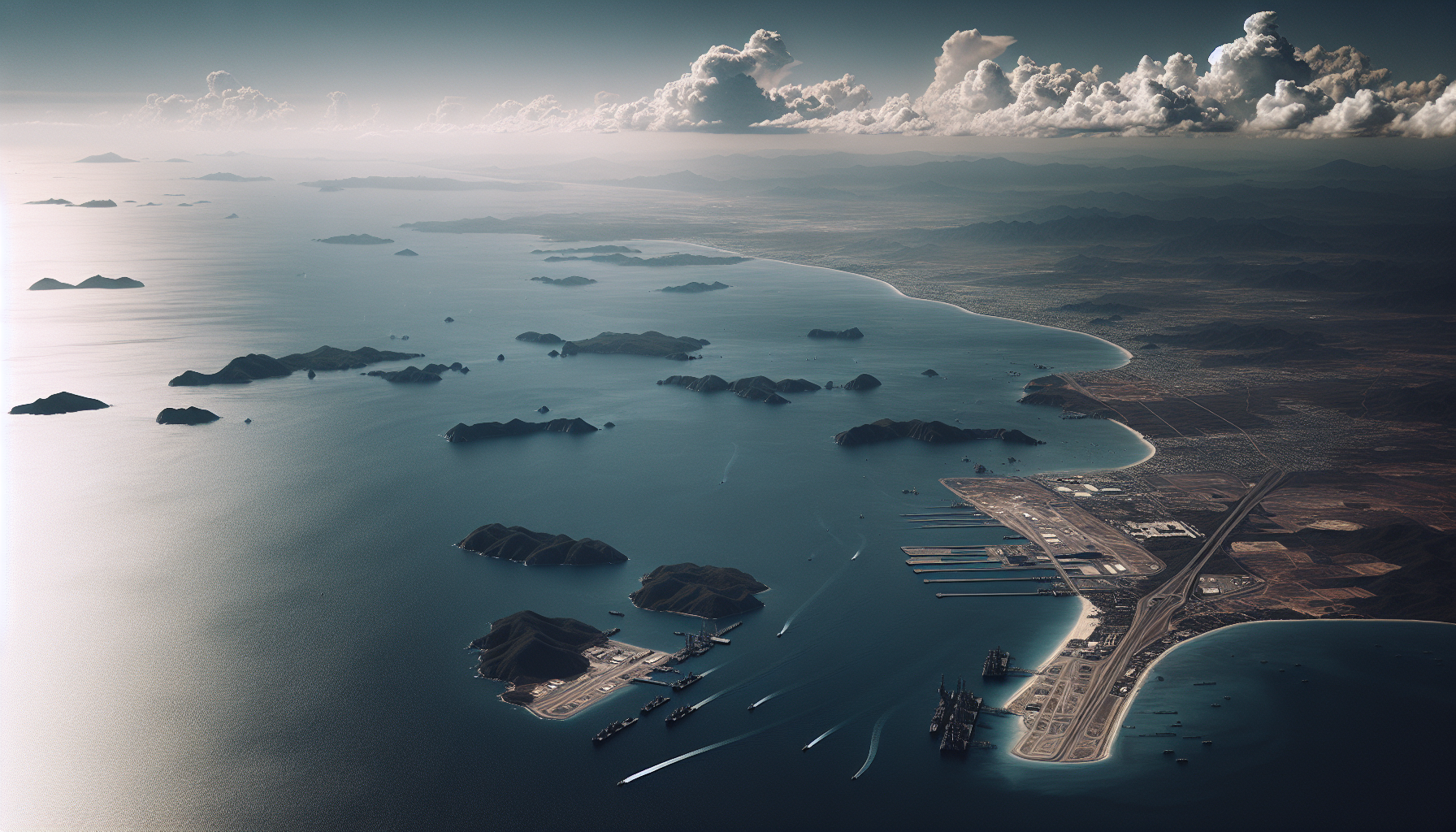
Iran’s extensive coastline along the Persian Gulf and the Gulf of Oman plays a crucial role in its regional influence and security strategy. This coastal stretch is dotted with strategically significant islands that serve as vital points for military and economic control. The architecture of control in these areas reflects Tehran’s efforts to secure maritime routes and assert dominance over critical waterways. These islands not only bolster Iran’s defensive capabilities but also enhance its ability to monitor and regulate shipping traffic in one of the world’s busiest maritime corridors.
Notably, the islands along Iran’s coastline have been developed with military installations, radar systems, and naval bases, underscoring their importance in the country’s defense framework. This infrastructure enables Iran to project power across the Persian Gulf and beyond, deterring potential adversaries and safeguarding its territorial claims. The strategic positioning of these islands also allows Iran to influence the Strait of Hormuz, a vital chokepoint through which a significant portion of global oil shipments pass. Control over this area provides Tehran with leverage in geopolitical negotiations and regional security dynamics.
In a significant development, Iran’s coastal architecture exemplifies a blend of military preparedness and territorial assertion, reflecting broader regional tensions and security concerns. The country’s investment in these islands highlights its commitment to maintaining a robust maritime presence amid ongoing geopolitical rivalries. Understanding the layout and function of these coastal and island installations offers insight into Iran’s strategic priorities and its approach to safeguarding national interests in a volatile region. This architectural control is a key element in the broader context of Middle Eastern security and international maritime strategy.
