

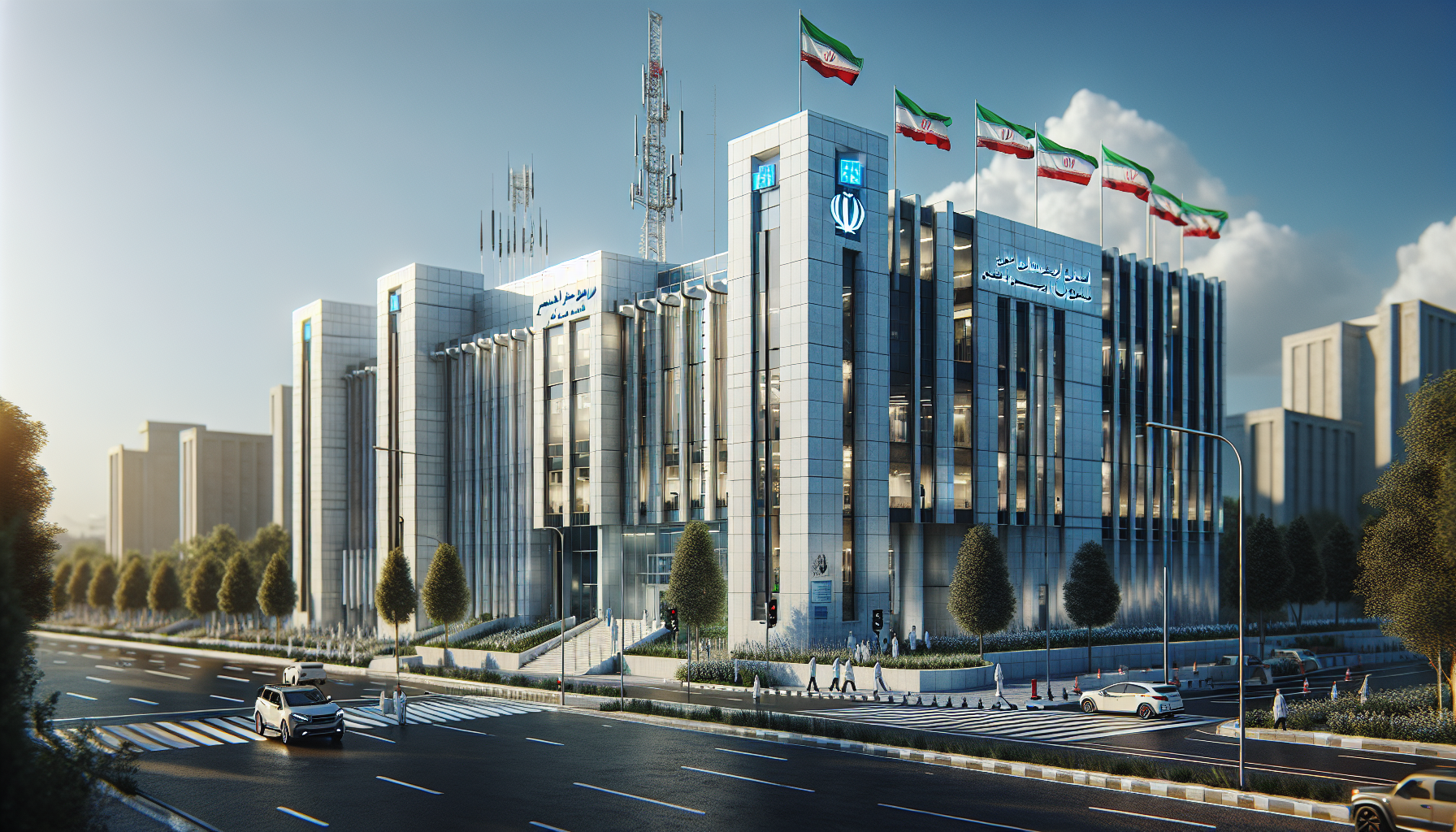
The Pasteur Institute of Iran, a key medical research and healthcare facility, has been among several targets in a campaign affecting the country’s access to essential medicines and vaccines. This strategy, reportedly involving the US and Israel, aims to disrupt Iran’s healthcare infrastructure amid ongoing geopolitical tensions. Such actions have raised concerns about the broader humanitarian impact on the Iranian population, particularly in the context of public health and disease control.
In a significant development, these measures highlight the use of medical supplies as a leverage point in international conflicts, complicating diplomatic relations and potentially violating international humanitarian norms. The targeting of healthcare institutions not only threatens the immediate availability of critical treatments but also undermines long-term medical research and vaccine development efforts within Iran. This approach reflects a broader pattern of economic and strategic pressure applied through non-military means.
Meanwhile, the disruption of Iran’s medical supply chains could exacerbate existing public health challenges, including the management of infectious diseases and chronic conditions. The international community faces increasing calls to address the ethical implications of such tactics and to ensure that civilian populations are protected from the collateral damage of geopolitical disputes. The situation underscores the complex intersection of health security and international politics in the modern era.
