

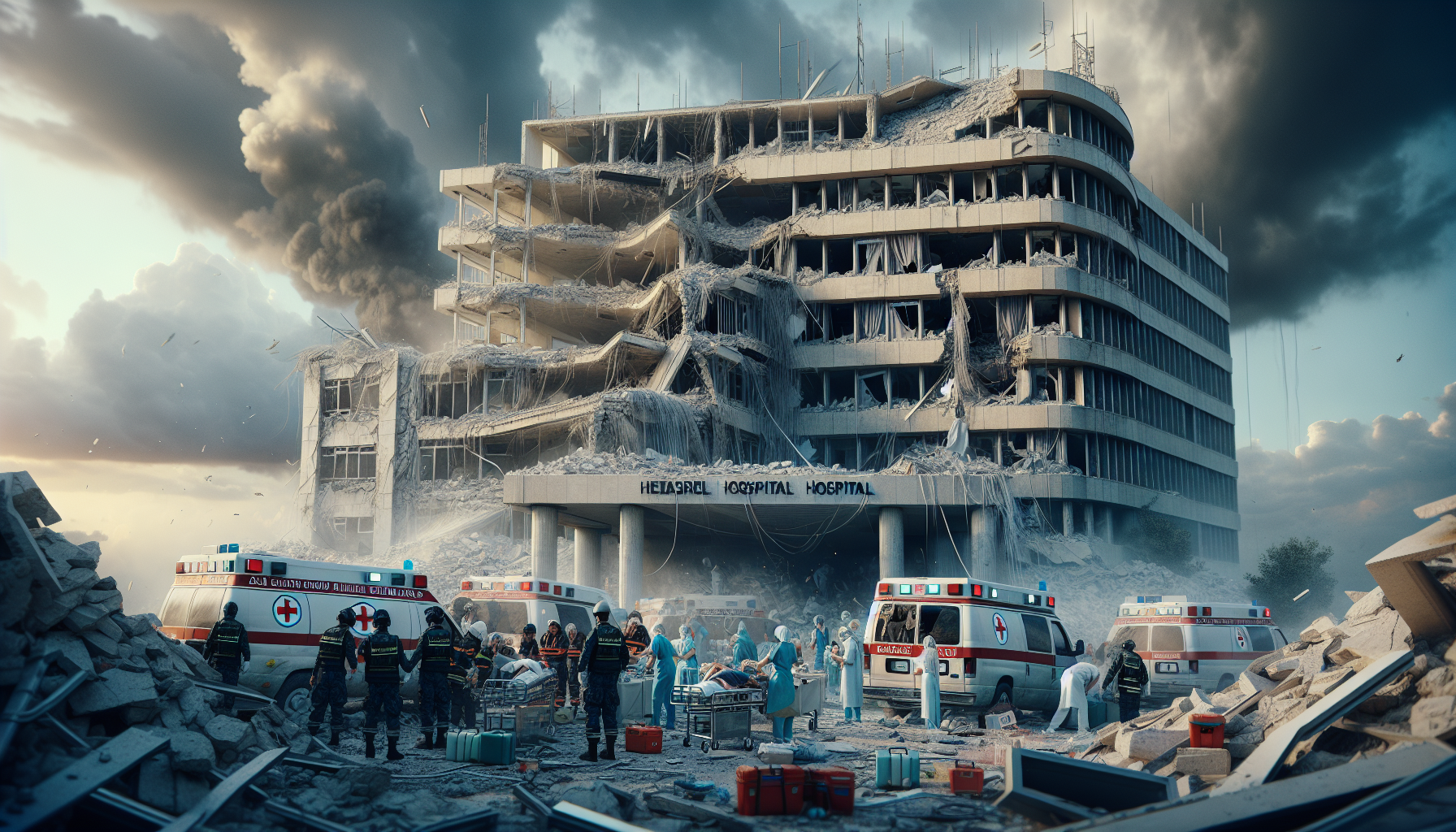
In a significant development, Israeli military operations have targeted hospitals, medical centers, and healthcare personnel in southern Lebanon. These assaults have severely damaged critical healthcare infrastructure, undermining the region’s ability to provide essential medical services. The destruction has exacerbated the displacement of local populations, forcing many to flee their homes in search of safety and medical care elsewhere. This escalation has intensified the humanitarian crisis, leaving vulnerable communities without adequate health support.
Southern Lebanon has historically faced challenges due to ongoing conflicts, but the recent attacks mark a troubling escalation in the region’s healthcare crisis. Medical facilities, which serve as lifelines for civilians, have been rendered inoperative or severely compromised. Healthcare workers are also at risk, with some being injured or unable to perform their duties effectively. The disruption of medical services threatens to increase mortality rates and worsen public health outcomes amidst the conflict.
Meanwhile, the broader implications of these attacks extend beyond immediate health concerns. The destruction of healthcare infrastructure undermines long-term recovery efforts and destabilizes the social fabric of southern Lebanon. International humanitarian organizations have expressed alarm over the situation, emphasizing the urgent need for protection of medical facilities and personnel. The ongoing conflict highlights the critical importance of safeguarding healthcare systems in war zones to prevent further deterioration of civilian well-being.
