

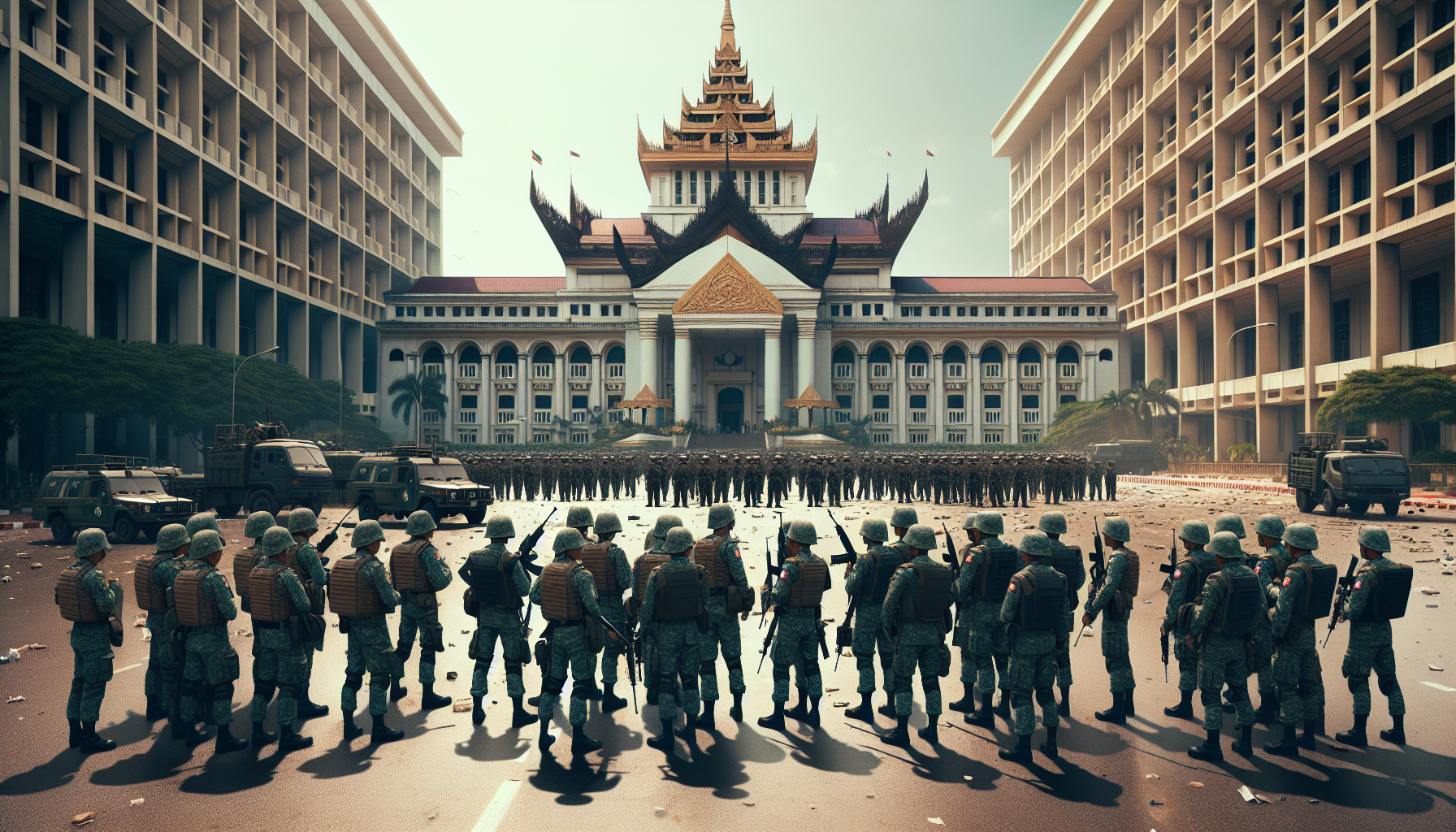
General Min Aung Hlaing, the military commander responsible for the February 2021 coup in Myanmar, is expected to be appointed as the country’s next president by the newly-elected parliament. His rise to the presidency marks a significant consolidation of power by the military following the overthrow of the civilian government led by Aung San Suu Kyi. The coup sparked widespread protests and a brutal civil war, leading to thousands of deaths and displacements across the country.
In a significant development, the military-backed parliament, formed after elections widely criticized for lack of transparency, is set to formalize Min Aung Hlaing’s leadership role. This move is seen as an effort to legitimize the military’s control over Myanmar’s political landscape amid ongoing resistance from ethnic armed groups and pro-democracy activists. The appointment is likely to deepen the country’s political crisis and complicate international efforts to restore democracy.
Meanwhile, the international community has condemned the coup and subsequent violence, imposing sanctions on Myanmar’s military leaders. Min Aung Hlaing’s presidency is expected to prolong instability and hinder peace negotiations. The situation remains volatile as the military government faces persistent opposition and humanitarian challenges, underscoring the fragile state of Myanmar’s future governance and security.
