

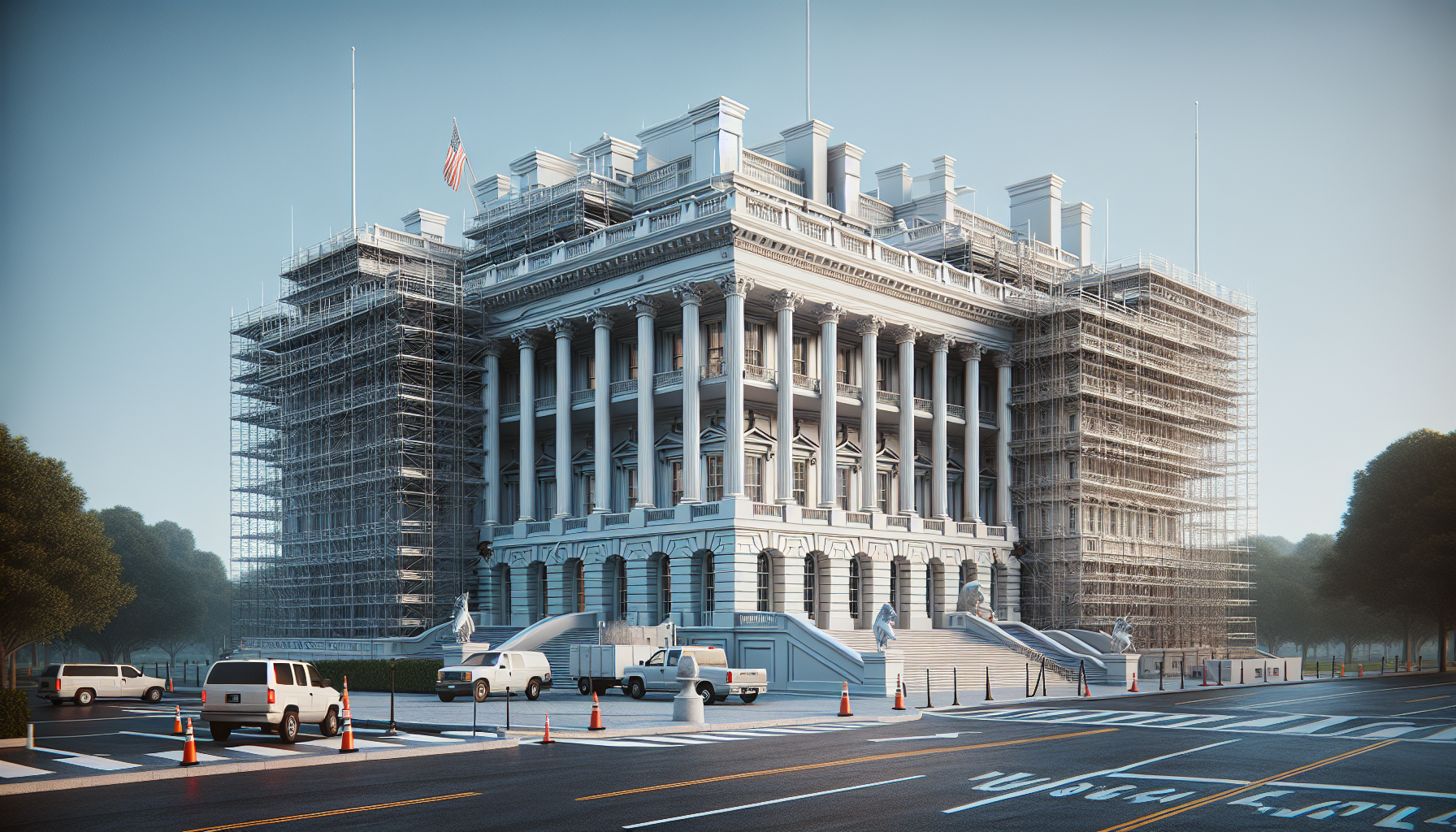
The planning commission has given the green light to Donald Trump’s ambitious plan to build a grand ballroom at the White House. This approval marks a significant step forward for the project, which aims to enhance the historic building’s event-hosting capabilities. The ballroom is expected to be a substantial addition, reflecting Trump’s vision for expanding the venue’s functionality. However, this development does not conclude the ongoing legal battles surrounding the construction.
Despite the commission’s endorsement, various legal challenges remain active, indicating that the project’s future is still uncertain. Opponents have raised concerns about the scale and impact of the construction on the White House’s historic integrity and surrounding environment. These disputes highlight the complexities involved in modifying such a landmark property. Meanwhile, supporters argue that the ballroom will provide valuable space for official and social functions, potentially boosting the White House’s utility.
In a significant development, the commission’s approval underscores the tension between preservation efforts and modernization ambitions. The outcome of the legal proceedings will likely shape the final fate of the ballroom project. This case exemplifies the broader challenges faced when balancing historic preservation with contemporary needs in high-profile government properties. As the legal process unfolds, stakeholders from various sectors remain closely engaged with the project’s progress and implications.
