

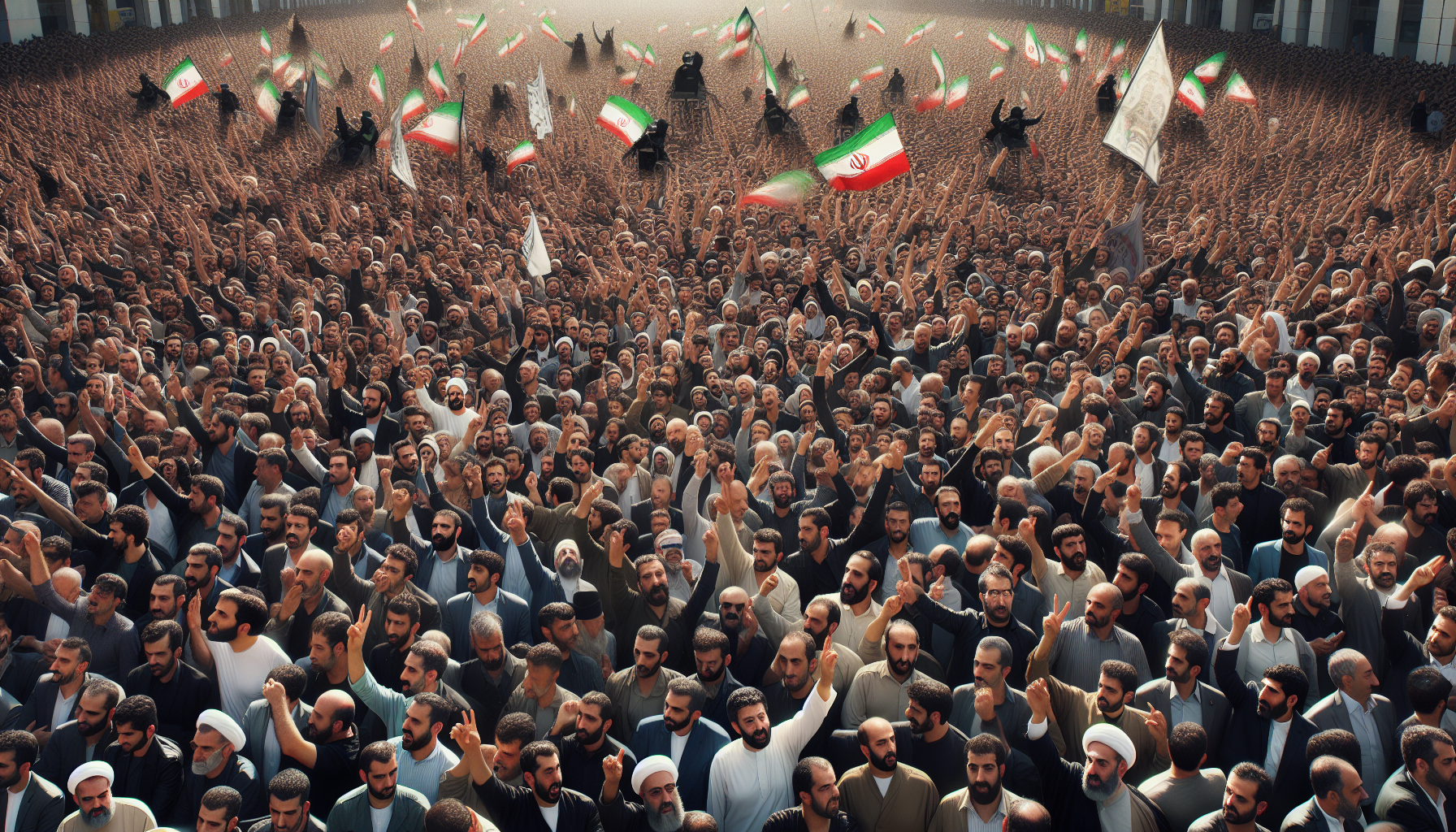
Iranian authorities and government supporters gathered in large numbers to commemorate the anniversary of the 1979 Islamic Republic Day, a pivotal moment marking the establishment of the current political system. This annual event is significant as it reinforces the regime’s narrative of resilience and ideological commitment, especially amid ongoing regional tensions. The celebrations often serve as a platform for the government to demonstrate unity and strength to both domestic and international audiences.
Meanwhile, the backdrop of these commemorations is marked by continued military pressure from the United States and Israel, who have been conducting bombing campaigns targeting Iranian interests and allied groups. These actions underscore the persistent geopolitical conflict in the Middle East, with Iran positioned as a central actor resisting Western influence. The juxtaposition of celebratory events and military confrontations highlights the complex and volatile environment in which Iran operates.
In a significant development, the Iranian leadership has framed the anniversary as a symbol of defiance and anticipated victory in the face of external aggression. This rhetoric aims to bolster national morale and legitimize the government’s policies amid international scrutiny. The ongoing conflict and the annual commemoration together emphasize the enduring impact of the 1979 revolution on Iran’s domestic politics and its foreign relations.
