

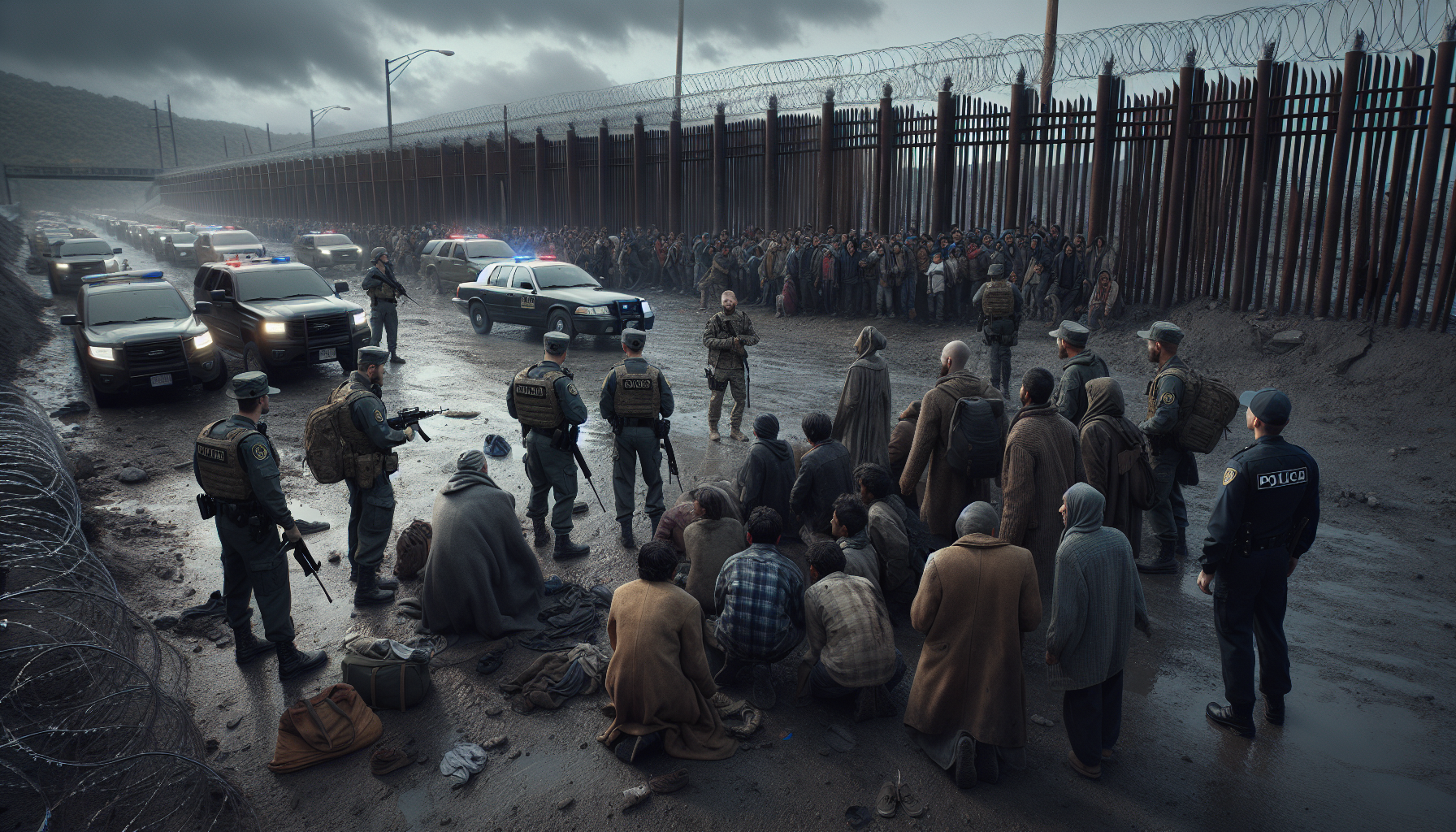
In a significant development highlighting the ongoing migration challenges in Europe, more than twelve refugees have come forward with allegations of physical abuse and theft at the Bosnia-Croatia border. These individuals, seeking asylum and safer living conditions within the European Union, report that border officials and police personnel subjected them to violent treatment during their attempts to cross. The accusations underscore the harsh realities faced by migrants navigating perilous routes in hopes of reaching EU member states.
Meanwhile, the Bosnia-Croatia border remains a critical flashpoint in the broader European migration crisis, with thousands of refugees and migrants trapped in precarious conditions. The region has seen increased scrutiny from human rights organizations, which have documented numerous claims of mistreatment and pushbacks by authorities. Such incidents exacerbate tensions between countries managing migration flows and raise urgent questions about the protection of vulnerable populations under international law.
Notably, these reports of abuse have significant implications for EU border policies and humanitarian efforts in the Balkans. They highlight the need for enhanced oversight, accountability, and support mechanisms to ensure that refugees are treated with dignity and their rights upheld. As migration pressures persist, the situation at the Bosnia-Croatia border serves as a stark reminder of the complex challenges facing Europe’s external borders and the human cost involved.
