

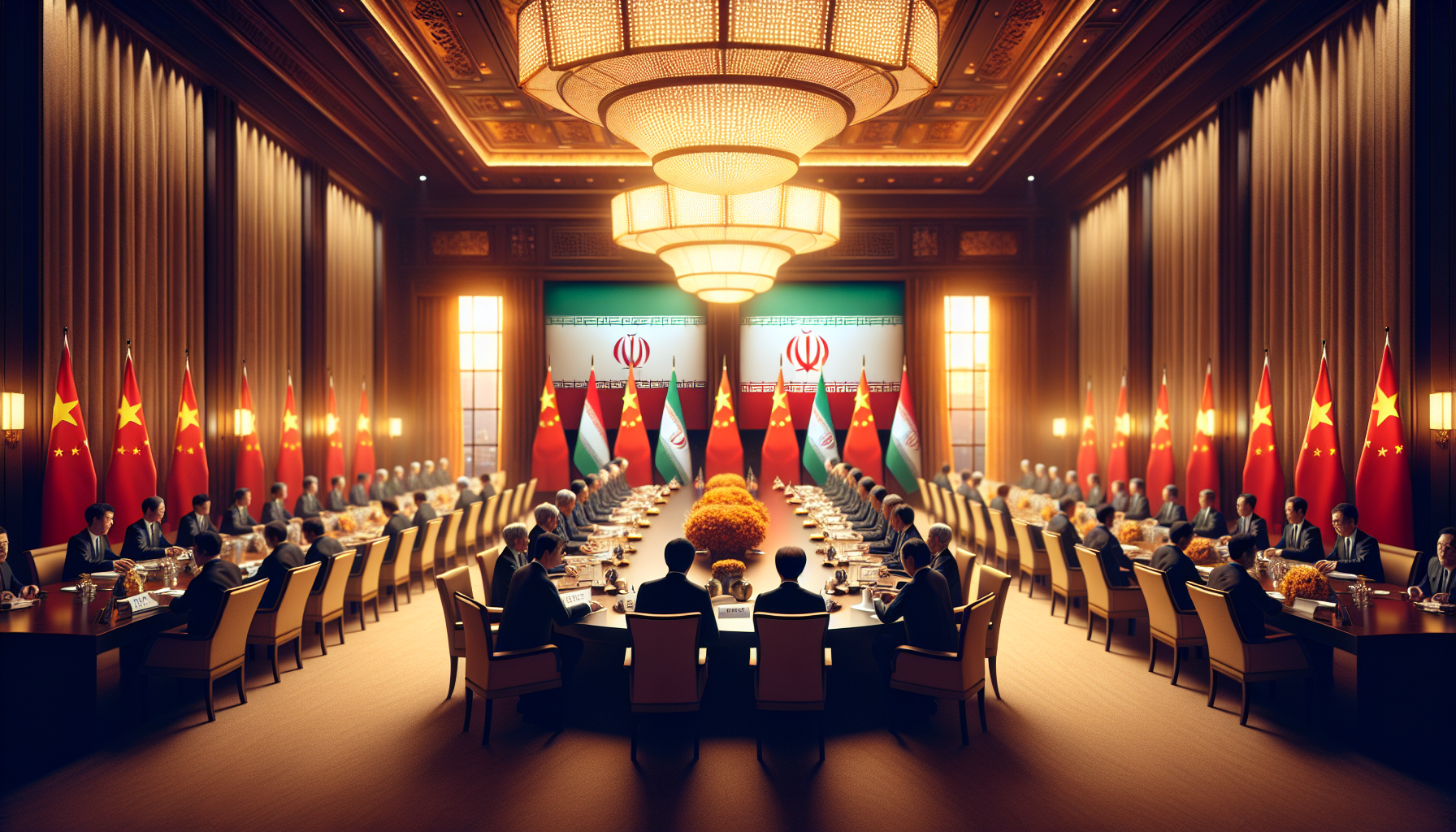
China has recently adopted a more proactive role in attempting to mediate the conflict involving Iran, marking a notable shift from its previously restrained stance. For months, Beijing maintained a cautious silence, avoiding direct involvement in the escalating tensions. This change signals China’s growing interest in influencing Middle Eastern affairs, a region critical for its energy security and geopolitical strategy. The move also reflects Beijing’s broader ambition to position itself as a global peacemaker amid shifting international power dynamics.
In a significant development, China’s intervention comes at a time when the Iran war threatens to destabilize the broader region, impacting global energy markets and international security. Beijing’s diplomatic efforts aim to de-escalate hostilities and foster dialogue between conflicting parties, potentially preventing further escalation. This approach contrasts with the more confrontational policies of other global powers, highlighting China’s preference for negotiation and multilateral engagement. Meanwhile, the international community watches closely to see if China’s mediation can yield tangible progress toward peace.
The implications of China’s involvement extend beyond the immediate conflict, as success could enhance its reputation as a responsible global actor and mediator. It may also strengthen China’s ties with Iran and other Middle Eastern countries, expanding its influence in a region traditionally dominated by Western powers. However, skepticism remains about whether Beijing can balance its strategic interests with impartial diplomacy. Ultimately, China’s role as a peacemaker in the Iran war could reshape regional alliances and impact the future of international conflict resolution.
