

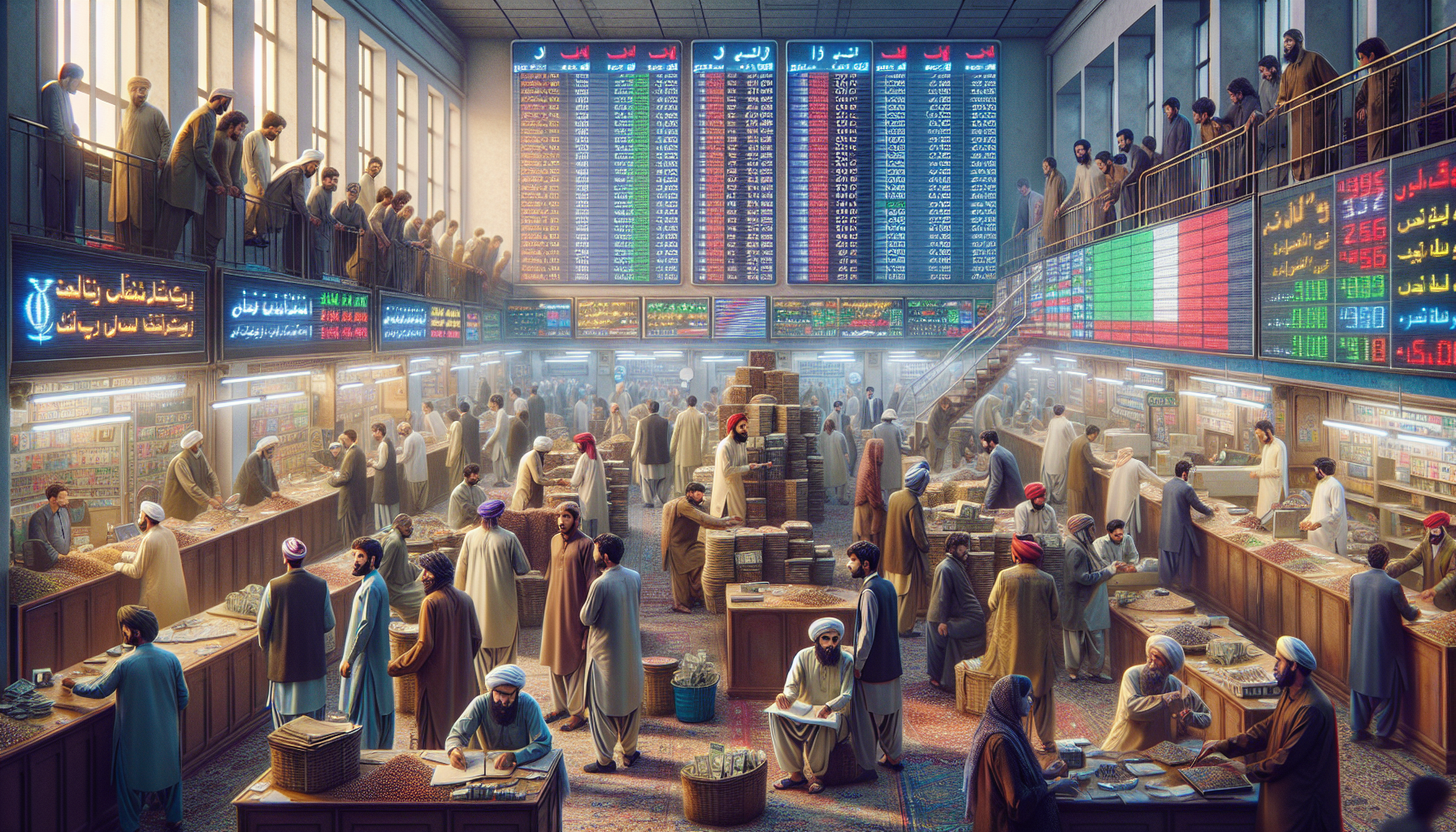
On May 12, 2026, the Iranian Rial’s exchange rate in Pakistan was closely monitored by traders and businesses engaged in cross-border commerce. The currency’s valuation plays a crucial role in facilitating trade between the two neighboring countries, influencing import-export dynamics and pricing strategies. Fluctuations in the Rial’s rate can affect the cost of goods and services, impacting both consumers and commercial entities.
Economic relations between Iran and Pakistan have historically been shaped by geopolitical factors and regional economic policies. The exchange rate serves as a barometer for economic stability and investor confidence in the region. Notably, shifts in the Rial’s value may reflect broader economic conditions such as inflation rates, sanctions, or changes in oil prices, which are vital to Iran’s economy.
In a significant development, businesses and financial institutions in Pakistan continue to adapt to the Rial’s movements to optimize trade operations and currency risk management. Understanding the Rial’s current rate is essential for stakeholders to make informed decisions regarding transactions and investments. This ongoing monitoring underscores the importance of currency exchange rates in sustaining economic ties between Pakistan and Iran.
