

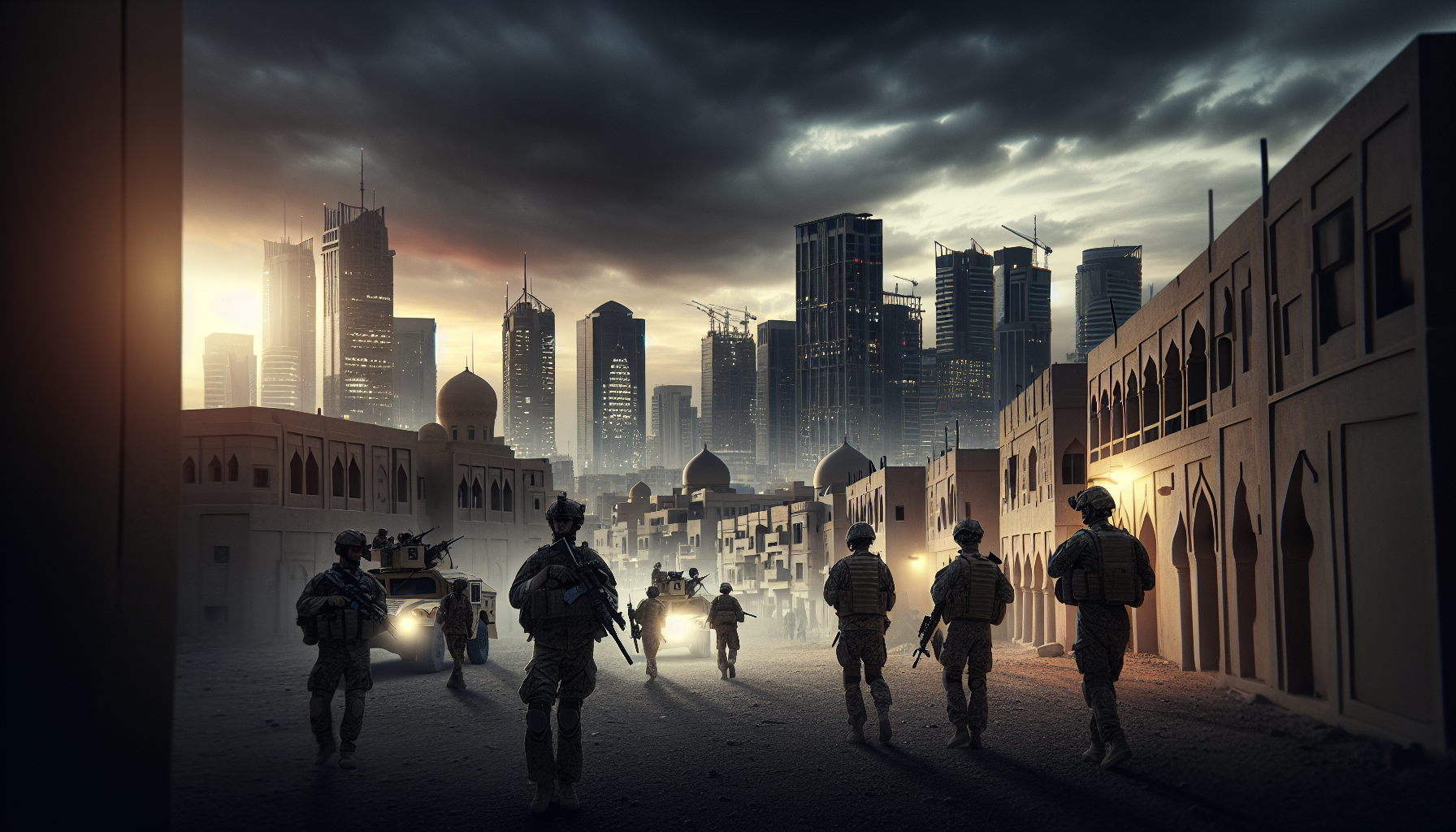
The conflict involving Iran has reached its 74th day, with tensions between Tehran and the United States continuing to escalate. Iranian officials have issued stern warnings against any form of external aggression, signaling their readiness to respond to threats. This stance comes amid ongoing diplomatic strains and military posturing in the region. The prolonged conflict has drawn international attention due to its potential to destabilize broader Middle Eastern security.
Meanwhile, US leadership has expressed deep concern over the fragile state of the ceasefire, describing it as being on ‘life support.’ This characterization highlights the precarious nature of the current peace efforts and the risk of renewed hostilities. The situation remains volatile, with both sides maintaining a posture that could quickly escalate into further conflict. The international community continues to monitor developments closely, emphasizing the need for diplomatic solutions.
In a significant development, Tehran’s declaration of readiness to counter aggression underscores the heightened alertness in the region. The ongoing standoff reflects broader geopolitical rivalries and the complex dynamics of US-Iran relations. The conflict’s persistence poses challenges for regional stability and global security, making the resolution of tensions a critical priority for policymakers worldwide. The coming days will be crucial in determining whether diplomatic channels can prevent further escalation.
