

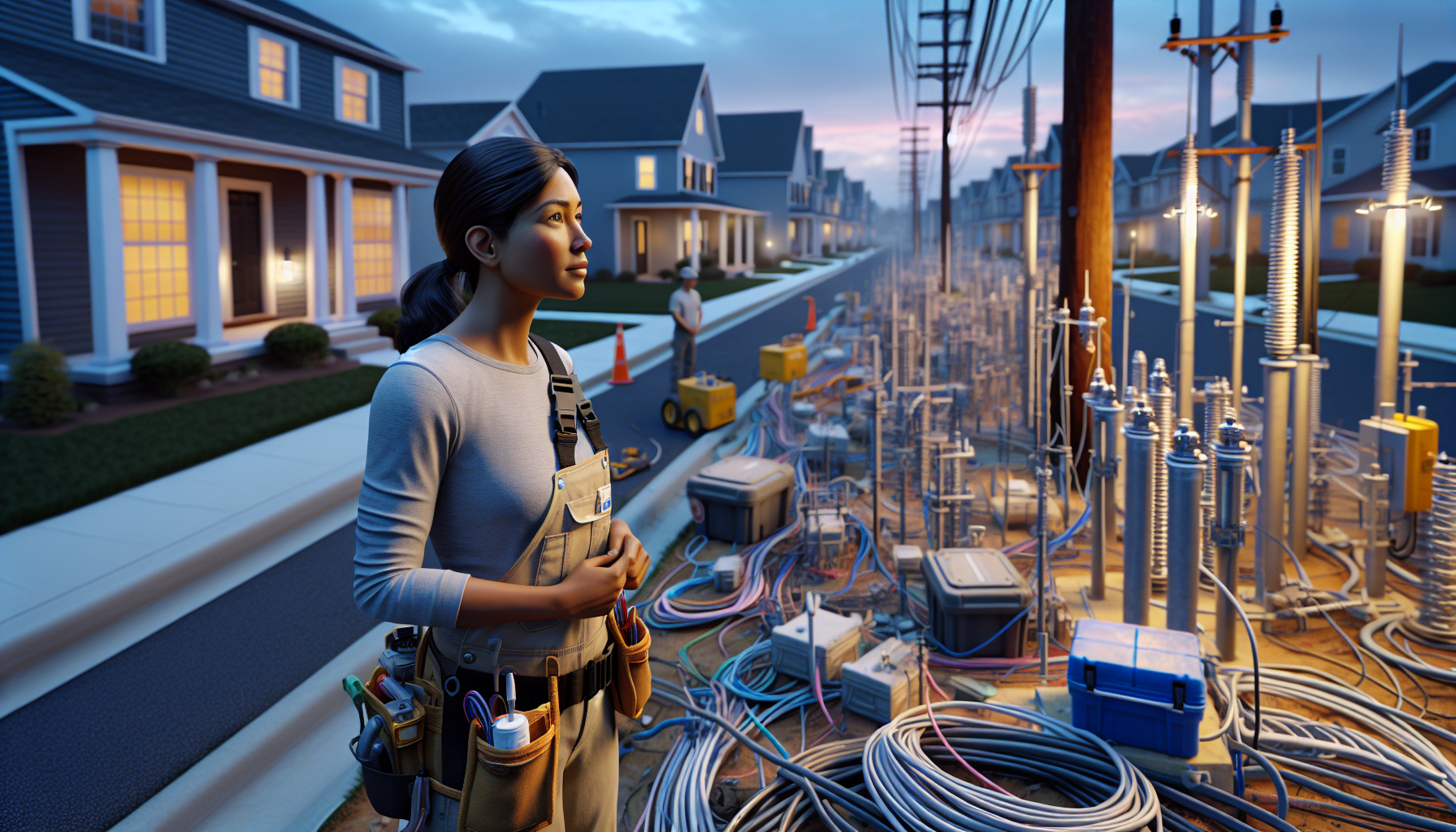
Millions of American households are currently incurring costs related to electricity infrastructure projects that have yet to be completed. These unfinished projects, often delayed by regulatory, financial, or logistical challenges, result in ongoing charges on consumer bills despite the lack of operational benefits. This situation highlights systemic issues within the energy sector, where investments do not always translate into timely improvements in service or capacity.
In a significant development, the persistence of these costs has sparked debate over the accountability of utility companies and regulators. Consumers are questioning why they must continue to fund projects that do not deliver promised enhancements, especially as energy demands and climate goals intensify. Meanwhile, utilities argue that these charges are necessary to cover sunk costs and maintain financial stability, complicating efforts to reform billing practices.
Notably, this issue underscores broader challenges in the U.S. energy transition, where infrastructure modernization is critical but often hampered by delays and cost overruns. The financial burden on consumers could affect public support for future energy projects and policy initiatives aimed at expanding renewable energy and grid resilience. Addressing these unfinished projects is essential to ensure fair pricing and to foster trust in the evolving electricity market.
