

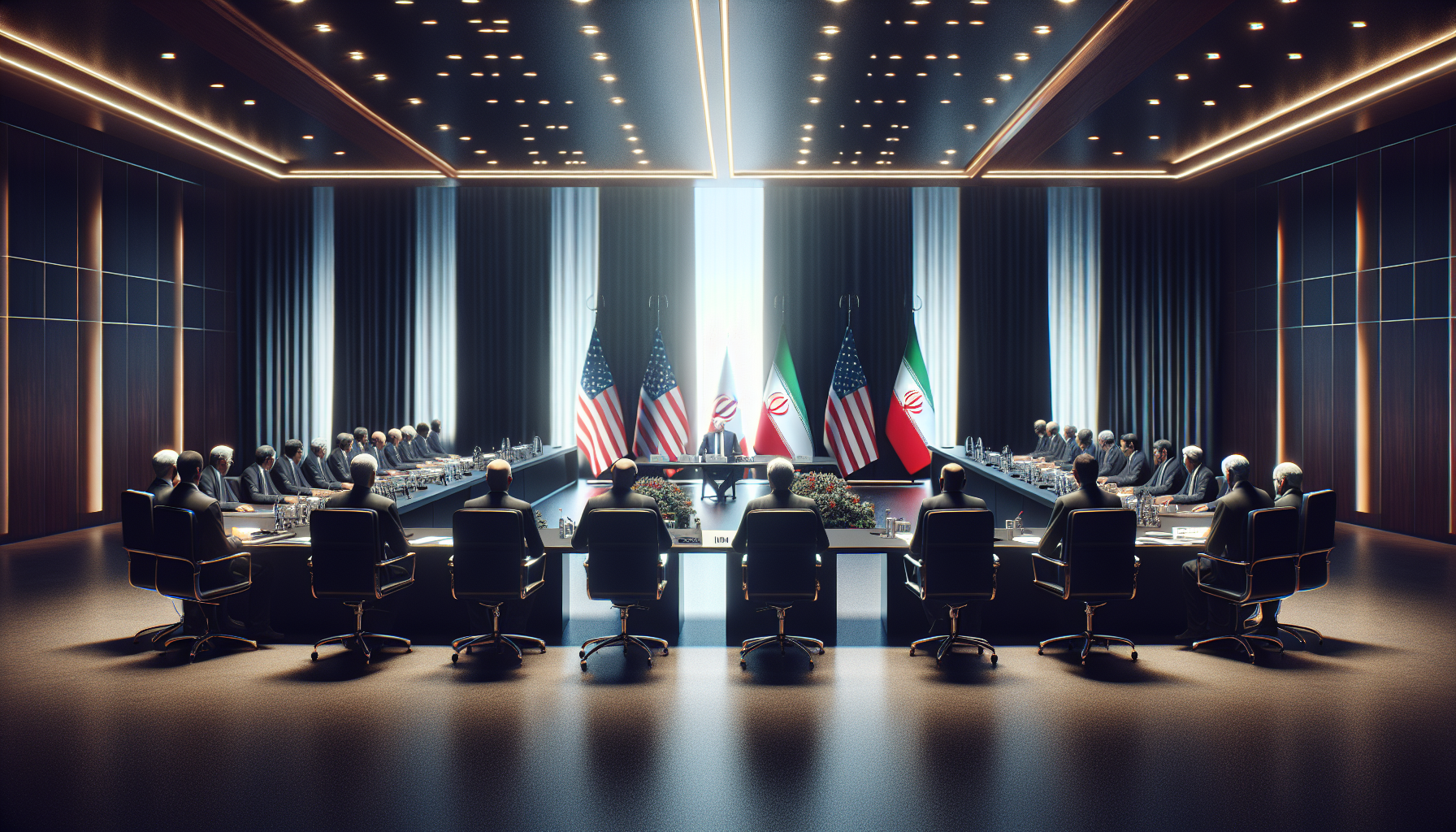
In a significant development, former US President Donald Trump has rejected Iran’s response to a peace proposal put forward by the United States, labeling it as unacceptable. This statement underscores the persistent challenges in diplomatic efforts to ease tensions between the two nations. The US has long sought to negotiate terms that would curb Iran’s nuclear ambitions and regional influence, but progress remains elusive.
Iran’s reply to the peace initiative reportedly did not meet the expectations set by Washington, reflecting deep-rooted mistrust and conflicting strategic interests. The rejection highlights the complexities involved in Middle Eastern diplomacy, where historical grievances and geopolitical rivalries often hinder conflict resolution. Meanwhile, the international community continues to watch closely, hoping for a breakthrough that could stabilize the region.
The ongoing stalemate has significant implications for global security and energy markets, given Iran’s strategic position and influence. Trump’s dismissal of Iran’s response signals a hardline stance that may affect future negotiations and US foreign policy in the Middle East. As tensions persist, the prospects for peace remain uncertain, emphasizing the need for renewed dialogue and compromise from all parties involved.
