

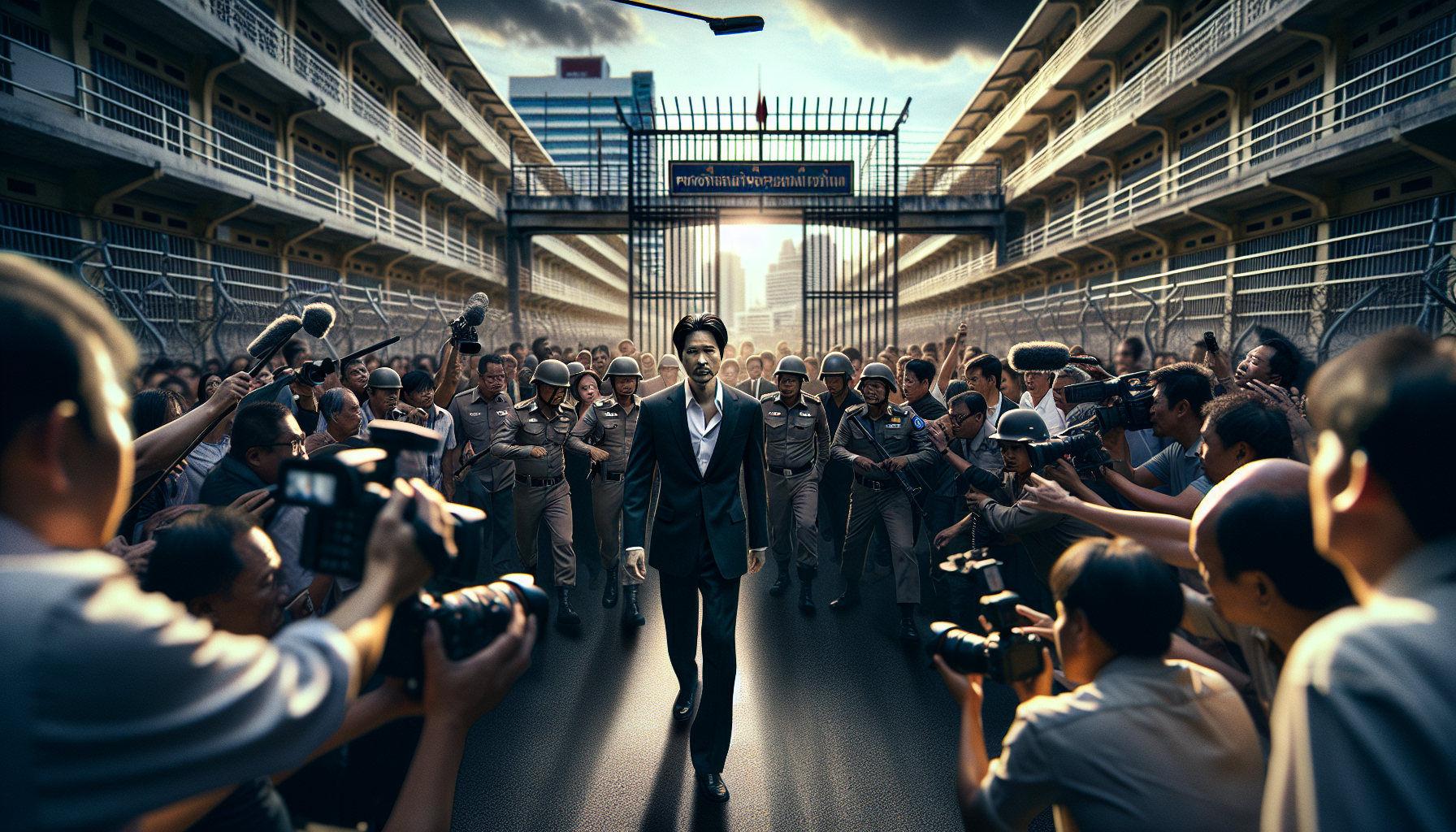
Thaksin Shinawatra, the former prime minister of Thailand known for his polarizing leadership, has recently been released from jail. His tenure was marked by significant political upheaval, including a military coup that ousted him in 2006. Despite his conviction and imprisonment, Thaksin has maintained a strong base of support, particularly among rural voters. His release reignites debates about his role in Thailand’s political landscape and whether his influence will persist or diminish.
Throughout his career, Thaksin has been a divisive figure, credited with implementing populist policies that benefited many but also accused of corruption and authoritarian tendencies. His political party and allied factions have continued to shape Thai politics even during his absence. Meanwhile, the country remains deeply divided between supporters of Thaksin’s vision and those who oppose his legacy, often leading to protests and political instability.
In a significant development, Thaksin’s return to the public sphere could either consolidate his political power or signal the end of an era that has dominated Thai politics for nearly two decades. Observers are closely watching how his re-emergence will affect ongoing political reforms and the balance of power among Thailand’s military, monarchy, and civilian government. The future of the Thaksin era remains uncertain, with potential implications for the nation’s democratic trajectory and social cohesion.
