

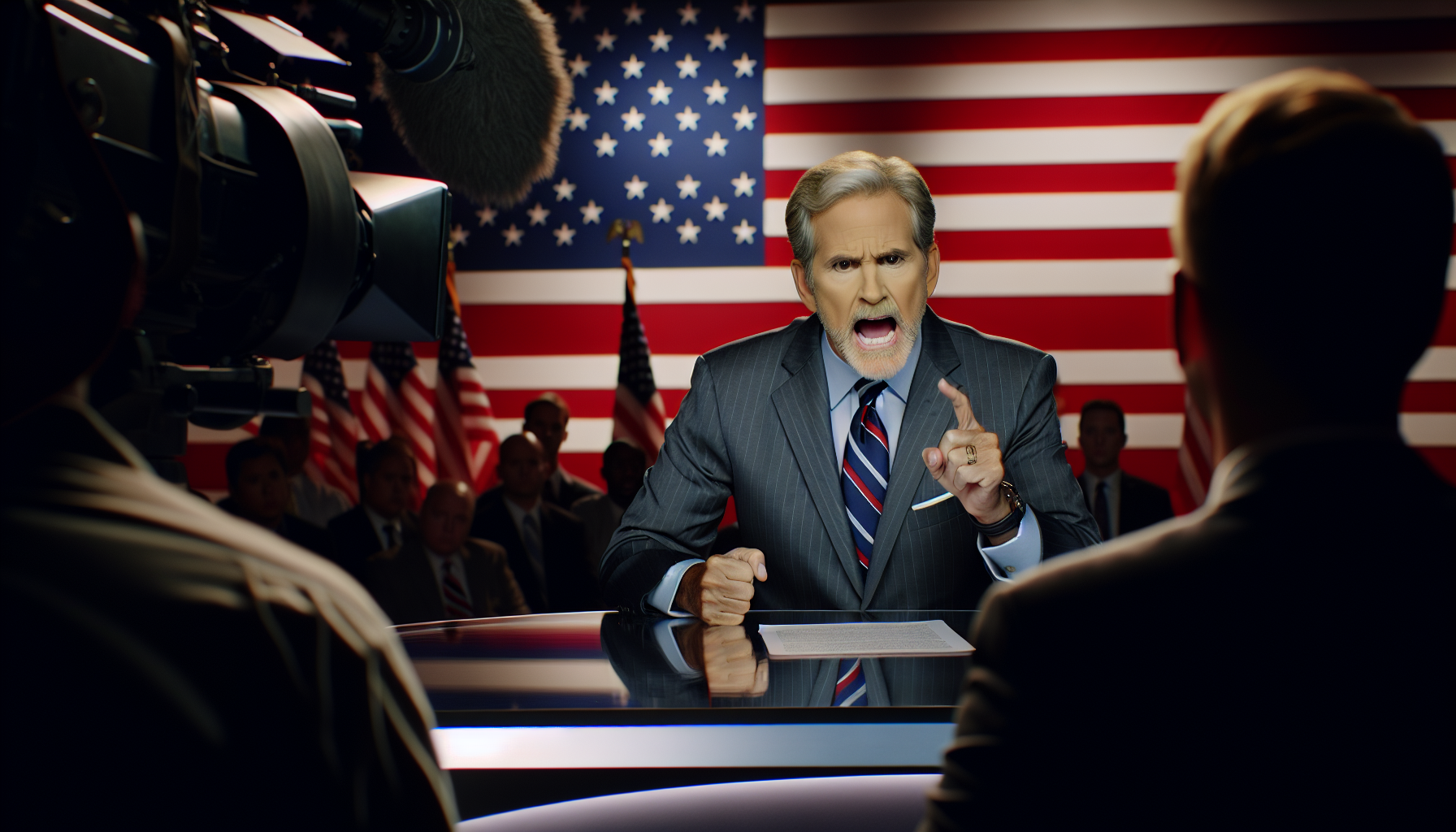
Tucker Carlson, once known as a fervent supporter of the MAGA movement, has recently adopted a markedly different stance by voicing strong antiwar sentiments. This shift has sparked widespread debate about whether his change in position reflects genuine conviction or a calculated effort to reinvent his public persona. Carlson’s evolution is significant given his previous role as a leading conservative commentator with considerable influence over right-wing audiences.
Historically, Carlson’s commentary aligned closely with former President Donald Trump’s policies and rhetoric, often championing nationalist and populist themes. However, his newfound opposition to military interventions abroad marks a notable departure from the hawkish tendencies commonly associated with his earlier broadcasts. This pivot could signal a broader realignment within segments of conservative media, potentially reshaping discourse on foreign policy among right-leaning viewers.
Meanwhile, the implications of Carlson’s transformation extend beyond media narratives, as it may influence public opinion and political dynamics within the Republican Party. His stance challenges traditional party lines on defense and international engagement, possibly encouraging more skepticism toward interventionist policies. Whether this shift endures or serves as a strategic repositioning remains a subject of intense scrutiny among political analysts and audiences alike.
