

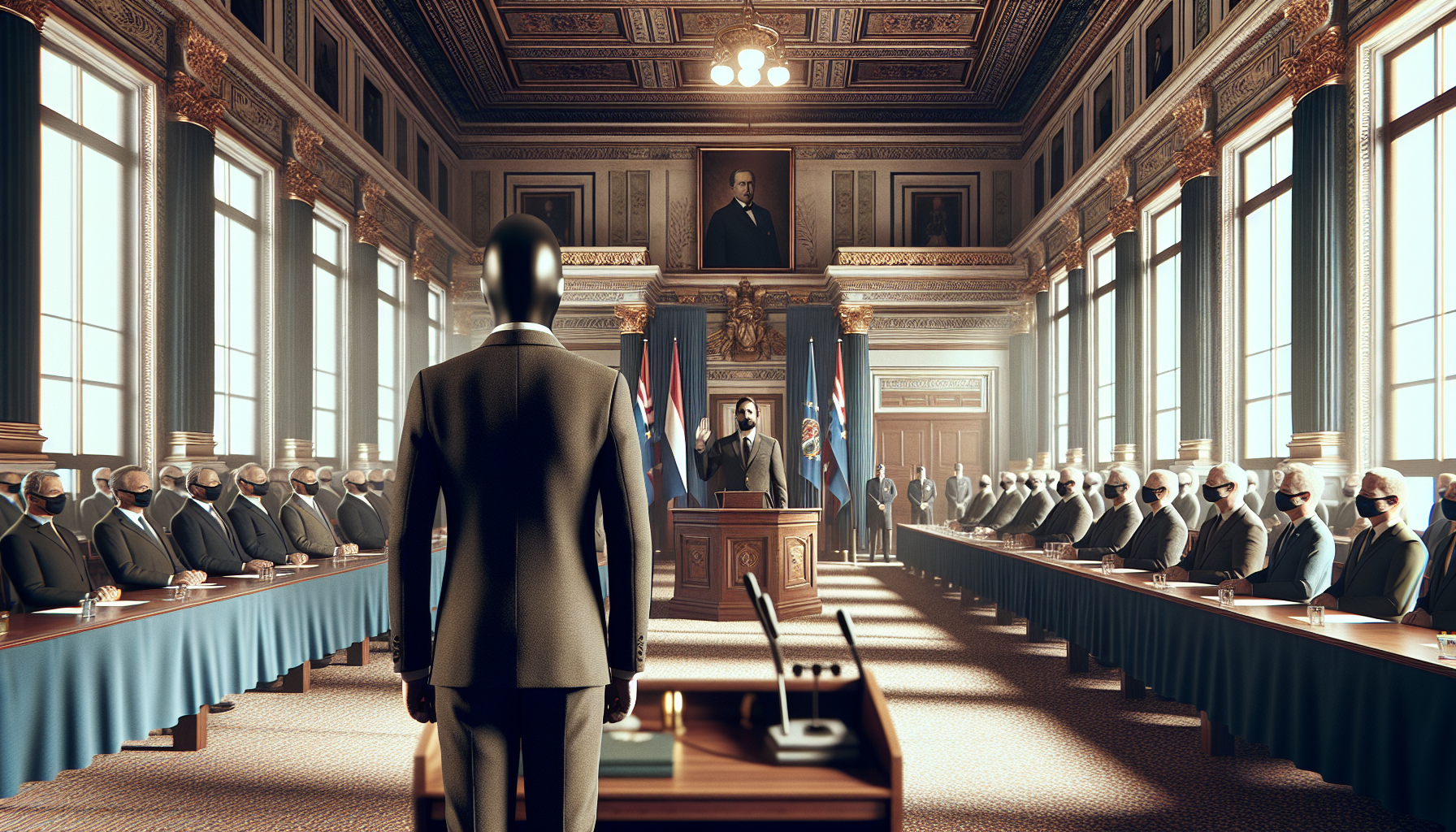
Peter Magyar has officially assumed the role of Hungary’s prime minister, marking a significant political shift after Viktor Orban’s 16 years in power. Magyar’s rise comes on the heels of a decisive electoral victory by his Tisza party, which secured a substantial majority in the national parliament. This change signals a new chapter in Hungarian politics, with expectations for policy shifts and potential realignments both domestically and within the European Union.
Orban’s long tenure was characterized by nationalist policies and a controversial approach to governance that drew criticism from various international observers. The Tisza party’s overwhelming parliamentary majority provides Magyar with a strong mandate to implement his agenda, potentially reversing or modifying some of Orban’s policies. This transition reflects broader political dynamics in Hungary, where voters appeared ready for change after nearly two decades under the same leadership.
In a significant development for Central Europe, Magyar’s premiership could influence Hungary’s role on the regional and global stage. The new government’s priorities and diplomatic strategies will be closely watched by neighboring countries and international partners. Meanwhile, the political landscape within Hungary is poised for transformation as Magyar’s administration begins to shape the country’s future direction.
