

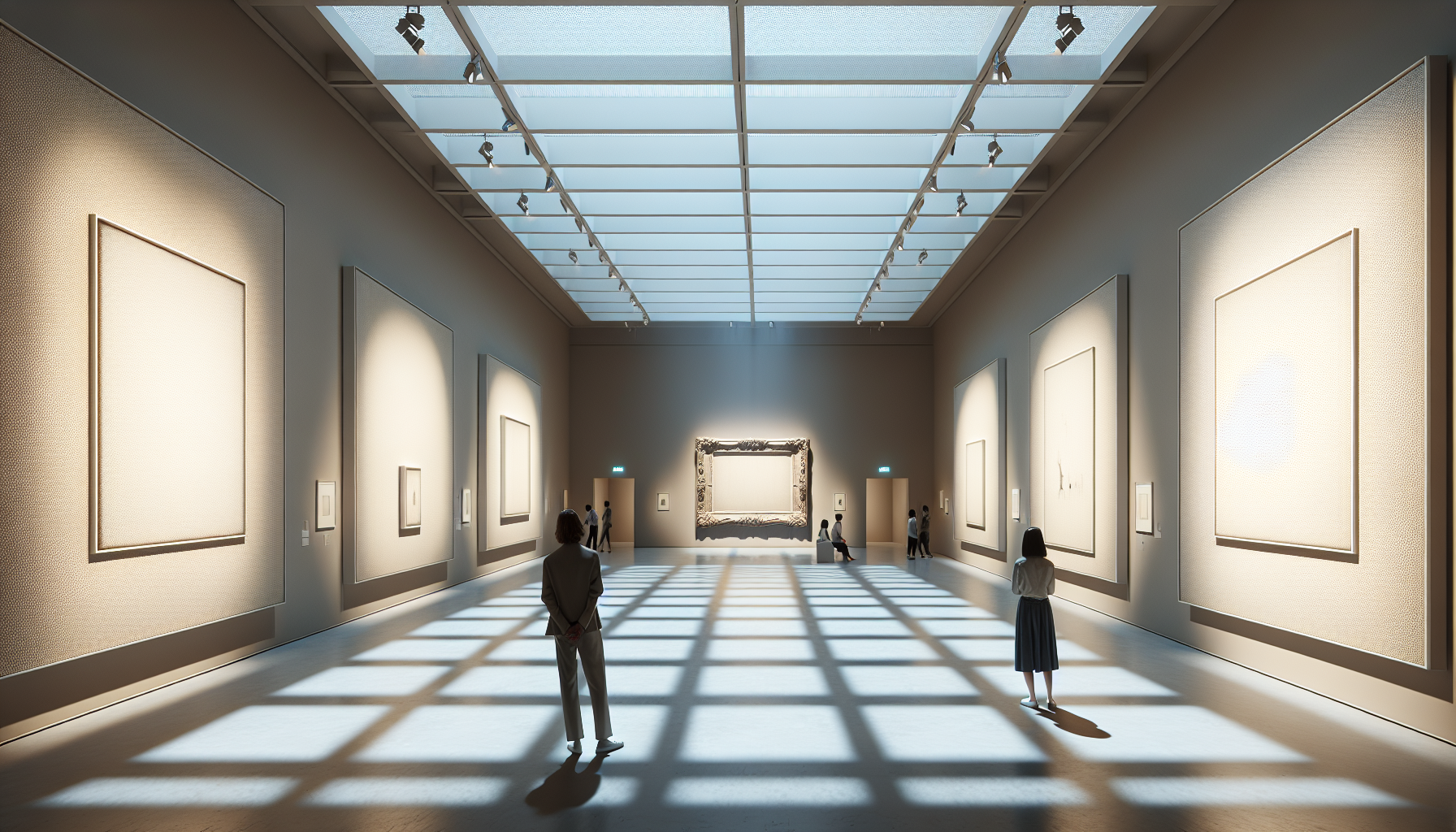
The 2024 Venice Biennale has taken a unique approach by emphasizing absence as a central theme, shifting focus from the artworks themselves to what is intentionally left out. This edition challenges conventional expectations by exploring the concept of invisibility and the unseen in contemporary art. Artists and curators alike are using voids and omissions to provoke reflection on presence, memory, and perception. Such an approach invites visitors to engage more deeply with the idea that what is missing can be as powerful as what is visible.
Historically, the Venice Biennale has been a prestigious platform showcasing cutting-edge art from around the world, often highlighting new trends and cultural dialogues. This year’s emphasis on absence marks a significant departure from the usual spectacle of grand installations and vivid displays. By focusing on the unseen, the Biennale encourages a reconsideration of how art communicates and how audiences interpret meaning beyond the tangible. This conceptual shift resonates with broader contemporary discussions about visibility, identity, and representation in the art world.
In a significant development for international art exhibitions, the Biennale’s theme challenges artists to rethink their creative processes and the role of the viewer. The impact of this approach extends beyond the event itself, influencing future curatorial practices and artistic expressions globally. Meanwhile, it also sparks debate among critics and audiences about the boundaries of art and the power of absence as a narrative tool. Ultimately, this Biennale redefines the artistic experience by making the invisible a focal point of cultural discourse.
