

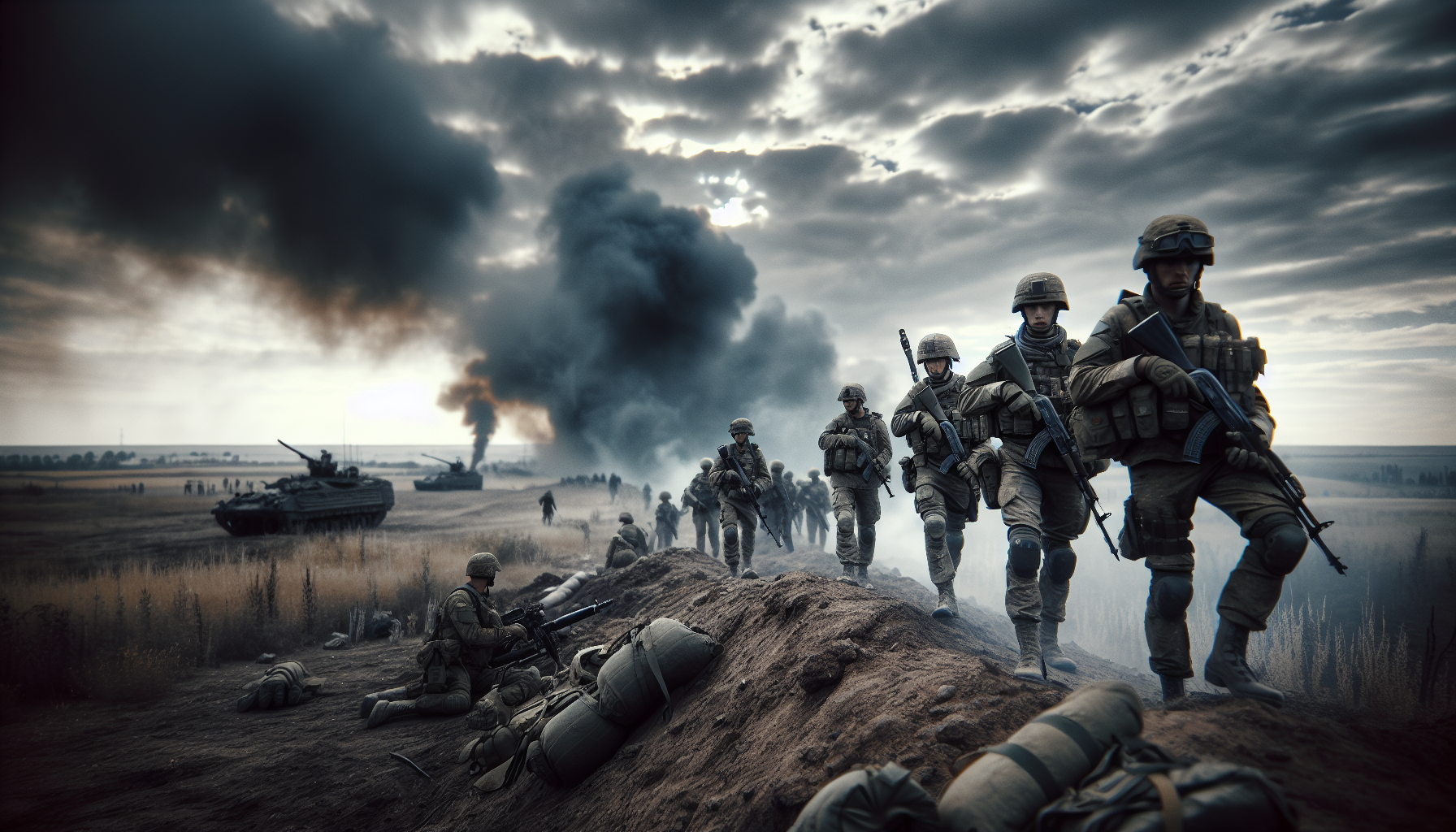
In a significant development on Victory Day, both Russia and Ukraine have accused each other of violating a ceasefire agreement, with hostilities persisting across multiple front lines. The day, which commemorates the Allied victory in World War II, was expected to bring a temporary halt to fighting, but instead, clashes have intensified in some areas. This ongoing conflict highlights the deep mistrust and unresolved tensions between the two nations despite diplomatic efforts to establish peace.
Meanwhile, the continuation of attacks underscores the fragile nature of ceasefire agreements in the region, where local commanders and irregular forces often act independently of central commands. The failure to maintain peace on such a symbolic day has drawn international concern, emphasizing the challenges in achieving a lasting resolution to the conflict. Both sides have blamed each other for initiating hostilities, complicating efforts to verify ceasefire compliance.
Notably, the persistent violence on Victory Day serves as a stark reminder of the broader geopolitical struggle between Russia and Ukraine, which has drawn global attention since the conflict began. The ongoing clashes have significant implications for regional stability and international security, as the conflict continues to disrupt lives and economies. The situation remains volatile, with the potential for further escalations unless renewed diplomatic negotiations can produce tangible results.
