

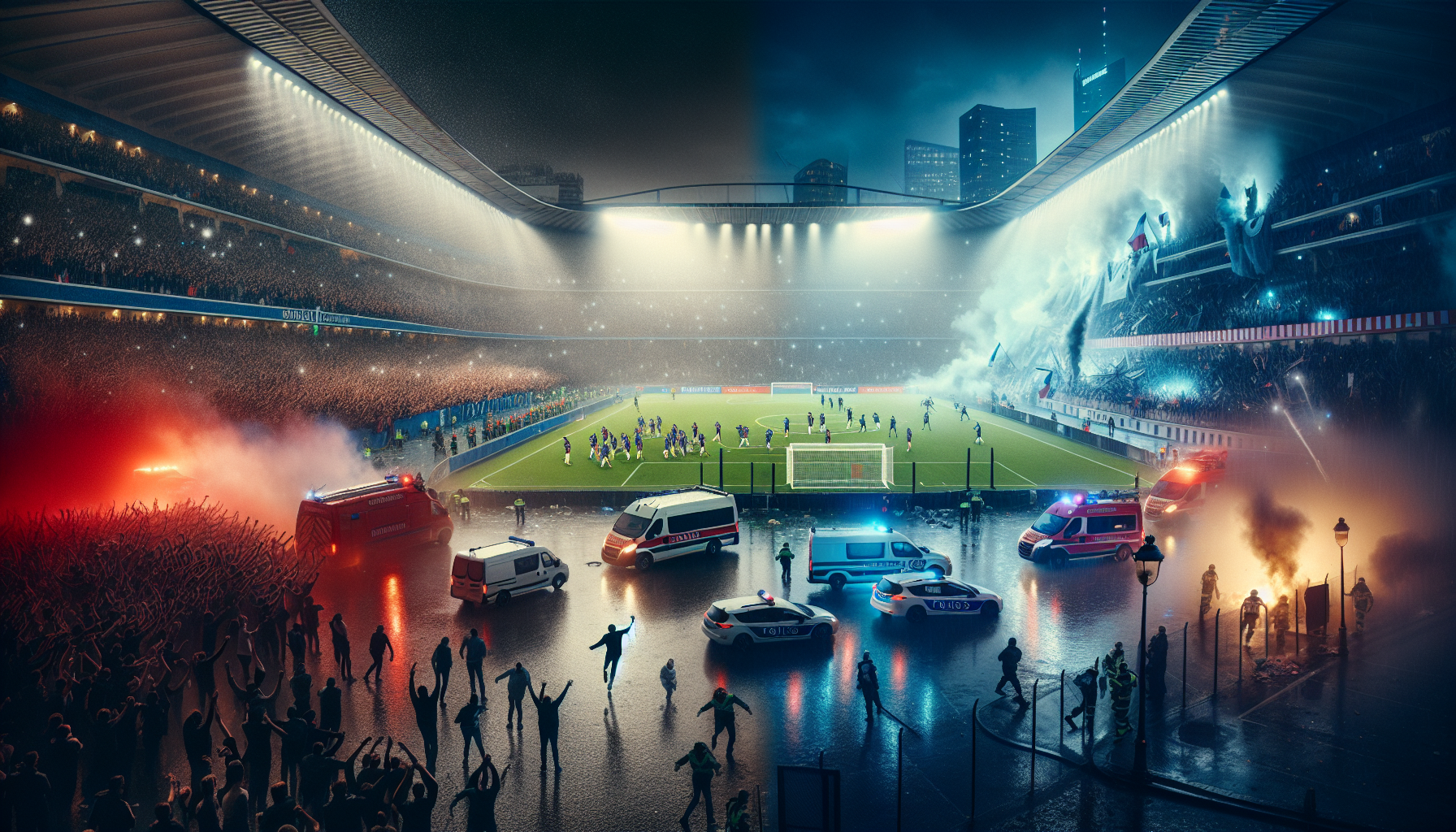
Paris Saint-Germain achieved a dramatic 6-5 victory over Bayern Munich in the Champions League semifinal, marking a significant milestone in their European campaign. The match was intensely competitive, showcasing high skill levels and tactical prowess from both sides. This win propels PSG closer to their goal of securing the prestigious Champions League trophy, a title that has eluded the club despite its domestic dominance. The victory was celebrated by fans, but the joyous atmosphere quickly deteriorated outside the stadium.
In a significant development, the post-match celebrations in Paris turned violent, with riots breaking out in various parts of the city. The unrest involved clashes between groups of supporters and law enforcement, leading to property damage and public safety concerns. Such disturbances have marred previous major sporting events in the city, highlighting ongoing challenges in managing large-scale fan gatherings. Authorities are expected to review security measures to prevent similar incidents in future high-profile matches.
Meanwhile, the impact of the riots extends beyond immediate safety issues, affecting the reputation of PSG and Paris as hosts of major international sports events. The club faces pressure to engage with community leaders and law enforcement to foster safer environments for fans. Additionally, UEFA and other governing bodies may consider stricter regulations or sanctions to discourage violence. Despite the turmoil, PSG’s on-field success remains a pivotal moment in their quest for European glory, underscoring the complex relationship between sport and social dynamics in urban settings.
