

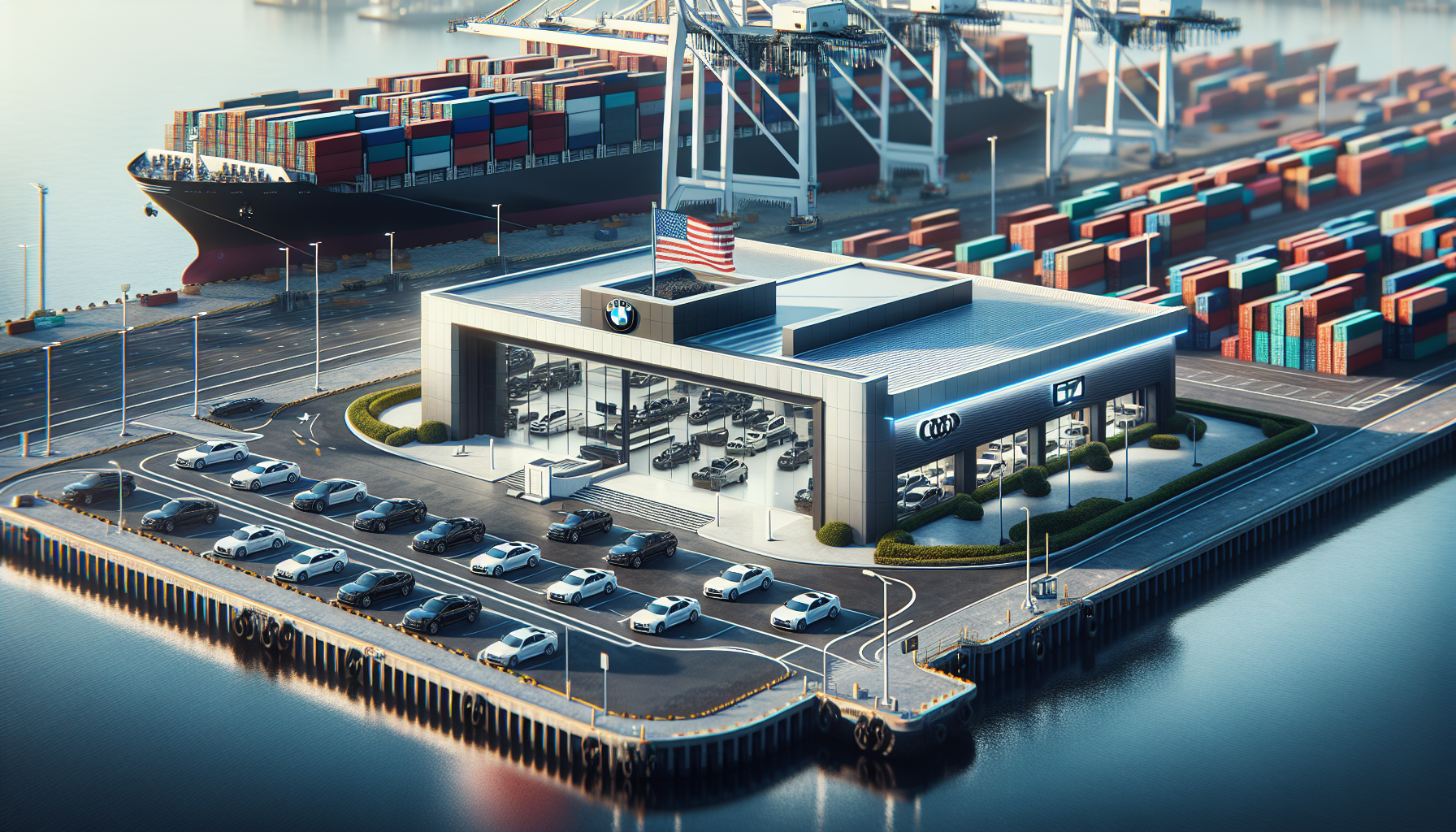
The United States government has announced plans to raise tariffs on automobiles imported from the European Union, increasing the rate from 15% to 25%. This decision comes as a response to the EU’s failure to adhere to the terms of a trade deal established last year, which had set the tariff rate at 15%. The move is expected to have a pronounced effect on the luxury car segment, where many high-end European brands dominate the US market.
Tariffs on imported vehicles have long been a contentious issue in transatlantic trade relations, with the US seeking to protect its domestic auto industry while addressing perceived unfair trade practices. The hike to 25% represents a significant escalation, potentially increasing costs for consumers and dealers of European luxury cars such as BMW, Mercedes-Benz, and Audi. Meanwhile, this development may also prompt retaliatory measures from the EU, further complicating trade dynamics between the two economic powers.
In a broader context, the tariff increase underscores ongoing tensions in global trade policies and highlights the challenges of enforcing international agreements. The impact on the luxury car market could lead to shifts in consumer behavior and supply chain adjustments as manufacturers and importers respond to higher costs. This policy change is likely to influence negotiations and trade strategies in the automotive sector for the foreseeable future.
