

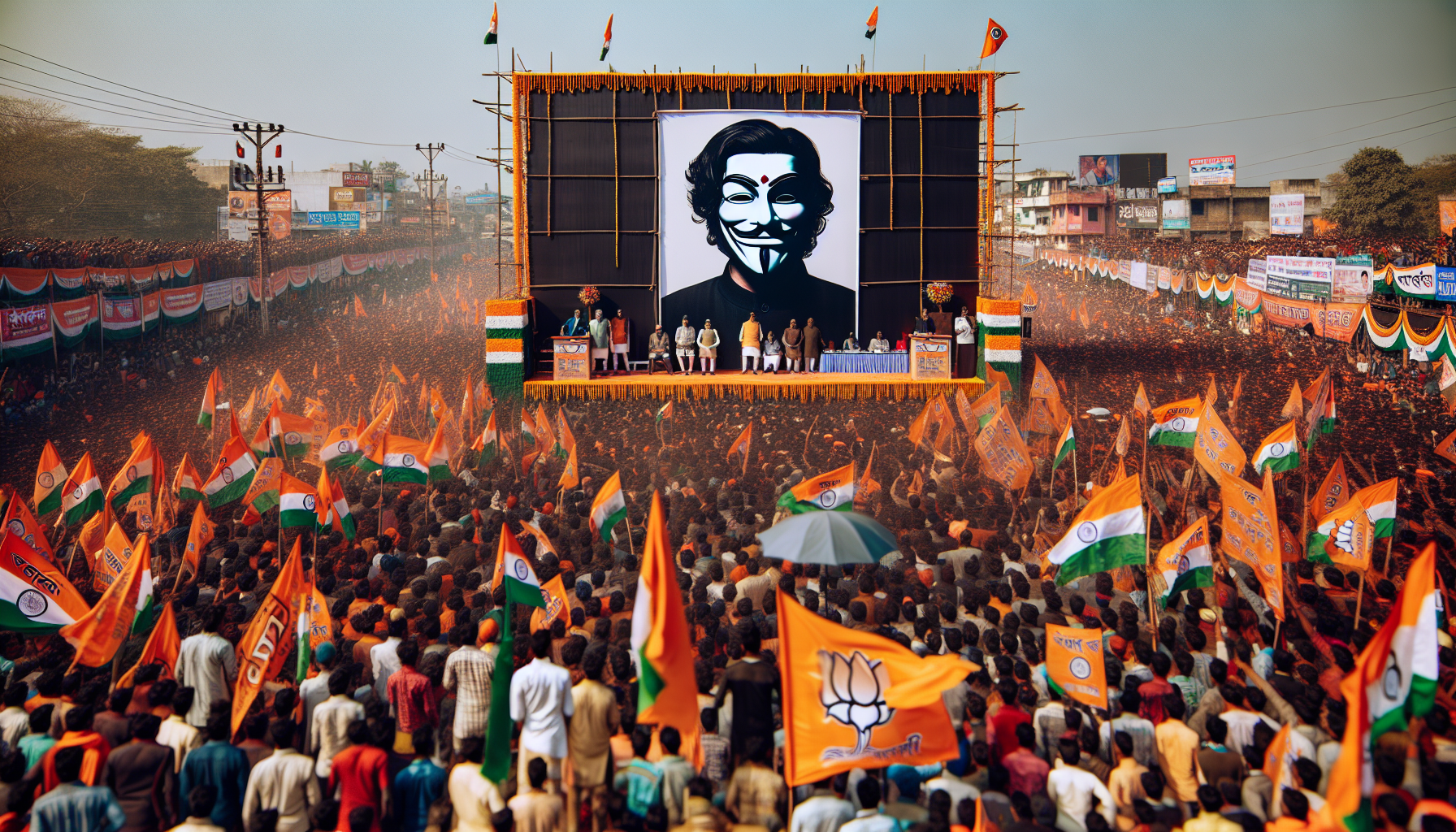
In a significant development, Narendra Modi’s Bharatiya Janata Party (BJP) achieved a historic victory by winning the key Indian state of West Bengal for the first time. This breakthrough marks a major shift in the political landscape of the region, which has traditionally been dominated by other parties. The BJP’s success in West Bengal reflects its expanding influence beyond its established strongholds, signaling a new phase in Indian state politics. This win is expected to reshape the balance of power in eastern India and could have far-reaching implications for upcoming national elections.
Meanwhile, the election results have sparked intense debate about the state of democracy in India. Critics argue that the BJP’s rise in West Bengal raises concerns over political pluralism and the health of democratic institutions. The campaign was marked by allegations of violence and intimidation, which have fueled questions about electoral fairness and freedom. Observers note that the BJP’s growing dominance may challenge the traditional checks and balances that have sustained India’s democratic framework.
Notably, this victory also underscores the BJP’s strategic efforts to penetrate regions with diverse cultural and political identities. West Bengal’s electorate has historically resisted the BJP’s ideology, making this win a testament to the party’s evolving appeal and campaign tactics. The outcome is likely to influence policy directions and governance styles in the state, while also affecting inter-party dynamics across India. As the BJP consolidates power, the implications for democratic resilience and regional stability remain critical topics for analysts and citizens alike.
