

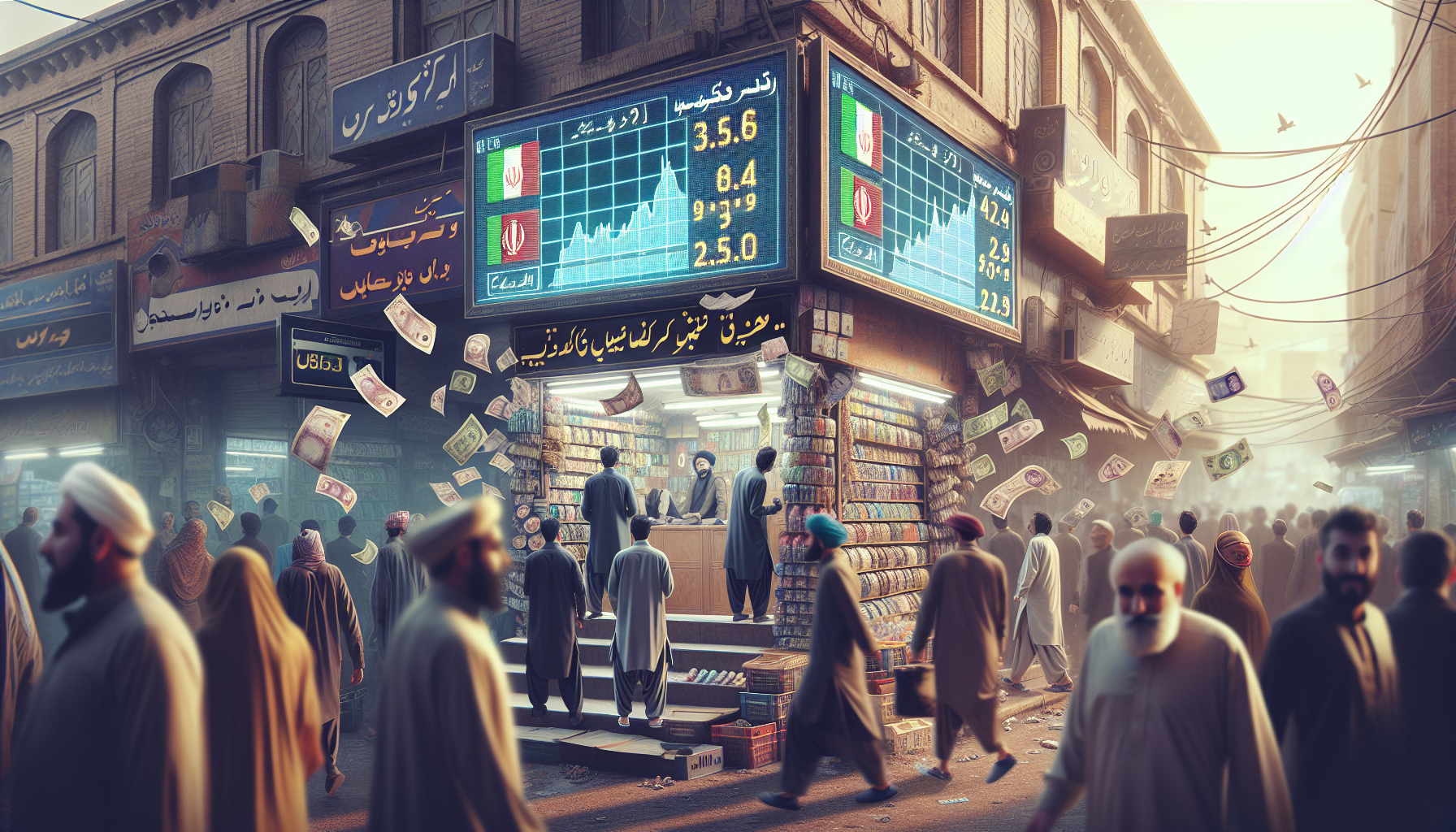
On May 5, 2026, the exchange rate of the Iranian Rial in Pakistan was closely monitored by traders and businesses engaged in cross-border trade. The currency rate plays a crucial role in facilitating commerce and investment between Pakistan and Iran, two neighboring countries with growing economic ties. Fluctuations in the Rial’s value can significantly impact import-export activities, especially in sectors such as energy, textiles, and agriculture.
In a significant development, the Iranian Rial’s performance against the Pakistani Rupee is influenced by broader geopolitical and economic factors, including sanctions, oil prices, and regional trade agreements. Pakistan’s strategic position as a gateway for Iranian goods into South Asia adds importance to the currency’s valuation. Meanwhile, businesses and financial institutions in Pakistan closely track these rates to manage risks and optimize transactions.
Notably, the exchange rate trends on this date also reflect the ongoing efforts by both countries to enhance bilateral trade and economic cooperation. As Pakistan seeks to diversify its trade partners and Iran looks to expand its market access, the Rial’s exchange rate remains a key indicator of economic health and partnership potential. This dynamic will likely continue to influence regional economic stability and growth prospects.
