

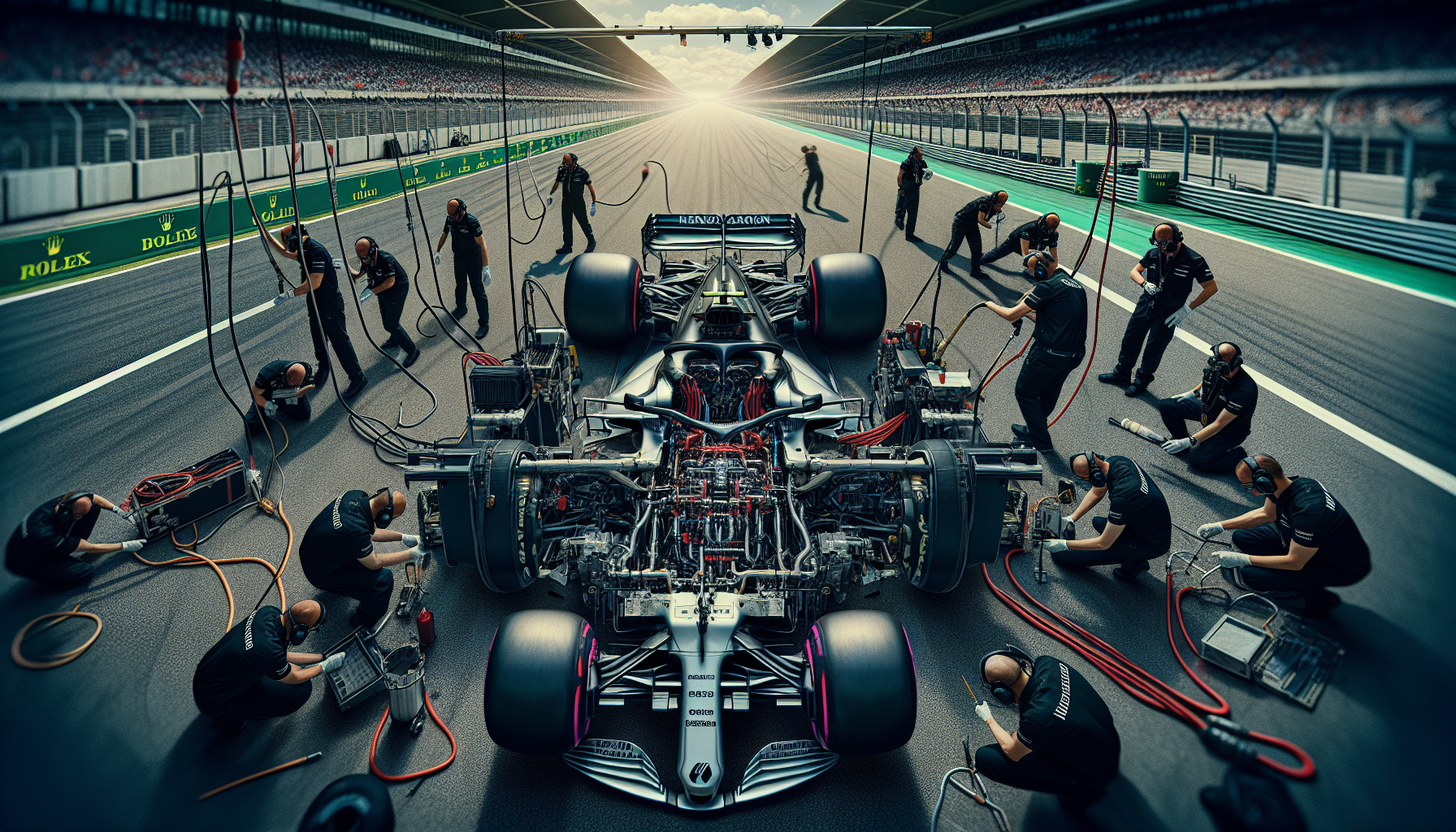
Formula One is exploring a potential return to V8 engines by the year 2030, signaling a notable shift in its technical direction. This development was announced by FIA President Mohammed Ben Sulayem during the Miami Grand Prix, highlighting a reconsideration of the sport’s current power unit strategy. The move reflects growing debates within the F1 community about balancing performance, sustainability, and fan engagement as the sport evolves.
Historically, V8 engines were a staple in Formula One, known for their distinctive sound and mechanical simplicity compared to the current hybrid power units. The sport transitioned to hybrid V6 turbo engines in 2014 to improve efficiency and align with automotive industry trends toward electrification. However, the enthusiasm for fully electric or hybrid technology in F1 has faced challenges, including concerns over cost, complexity, and the loss of the visceral engine noise that many fans cherish.
In a significant development, the FIA’s openness to revisiting V8 engines suggests a strategic pivot that could influence the future of motorsport technology and sustainability goals. This reconsideration may impact car design, team strategies, and the overall spectacle of Formula One racing. As the sport balances innovation with tradition, the potential return to V8 engines underscores the ongoing dialogue about how best to evolve while preserving the essence of Formula One.
